
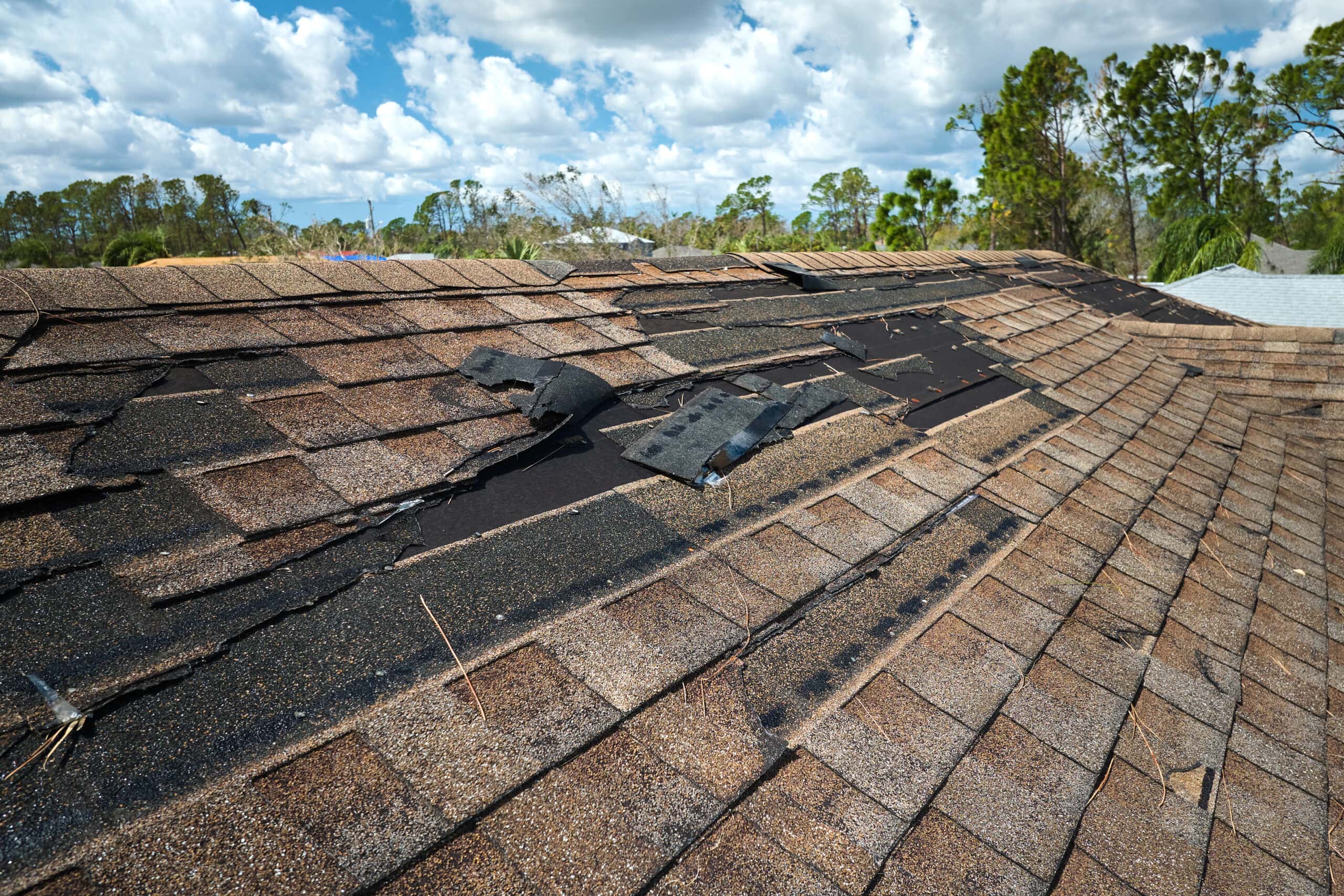
A storm damage inspection is one of the most important steps you can take before filing an insurance claim. High winds, hail, heavy rain, and airborne debris can weaken roofing materials without obvious signs from the ground. Undocumented damage is one of the most common reasons insurance claims get delayed or disputed. In Billings, where seasonal windstorms and hail events are common, scheduling a professional inspection immediately after a storm creates the documented evidence your insurance carrier requires and helps prevent small vulnerabilities from turning into costly storm damage roof repairs.
- Insurance documentation support: Early inspections establish a clear record that ties damage directly to the storm event.
- Hidden structural risk: Damage is not always visible from ground level and requires professional assessment.
- Moisture prevention: Small openings allow water intrusion that can expand your claim scope if caught early.
- Long term roof protection: Early detection reduces the risk of damage being attributed to aging rather than storm impact.
We’re proud to serve homeowners and business owners in Billings, MT, and nearby communities with storm damage inspection and insurance claim documentation services.
Why Storm Damage Often Goes Unnoticed
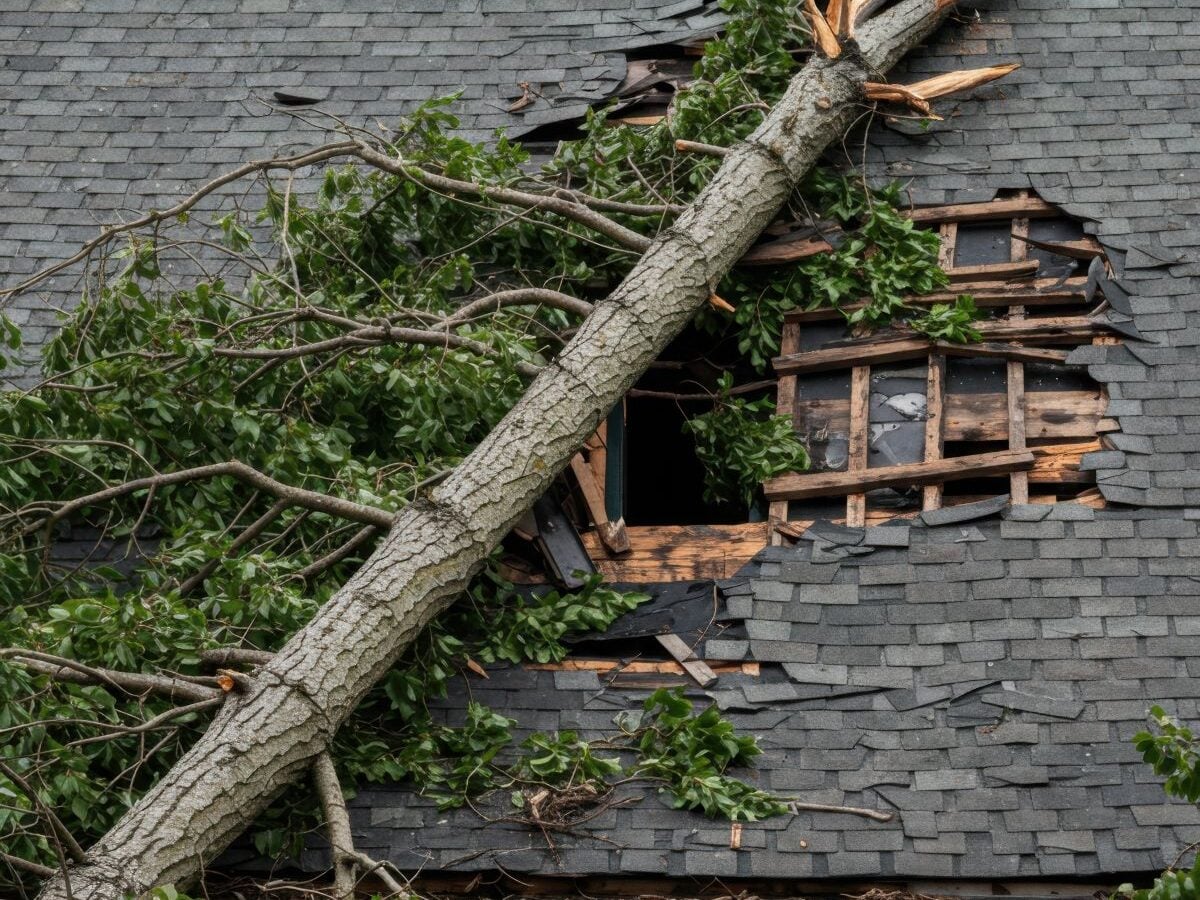
After severe storms pass, many roofs appear intact even when underlying damage exists. Wind can loosen shingles without removing them, hail can bruise asphalt without visible cracking, and flashing can shift slightly without creating obvious gaps. Missing shingles may be easy to spot, but loose shingles and subtle uplift often go unnoticed until leaks develop.
These subtle changes weaken your roofing system’s ability to resist the next weather event and shorten its lifespan. When damage goes undocumented, insurance carriers may attribute deterioration to normal aging rather than storm impact, reducing or eliminating claim eligibility. According to the Federal Emergency Management Agency, even minor wind damage can weaken roofing materials and increase the risk of future failure during subsequent storms. Identifying roof storm damage early not only preserves structural integrity but also ensures damage is documented while it can still be clearly tied to the storm event, which is critical for a successful insurance claim.
8 Reasons to Schedule a Storm Damage Inspection
Severe storms can impact multiple components of your roofing system at once. A professional storm damage inspection evaluates both visible damage and hidden structural concerns, creating the documentation your insurance carrier needs before damage escalates into costly storm damage roof repairs.
- Identify missing shingles: Wind uplift may remove or partially detach shingles, exposing underlayment and reducing water resistance. Photographic evidence of missing or displaced shingles is among the first things an adjuster will look for in your claim.
- Detect hail bruising: Impact damage weakens asphalt layers even when cracks are not visible. Professional documentation of granule loss and bruising is critical because this type of damage is frequently disputed without a detailed inspection report.
- Check flashing integrity: Storm pressure may loosen flashing around vents, chimneys, and valleys. Flashing damage is commonly overlooked during adjuster walkthroughs and requires a professional report to ensure it is included in your claim scope.
- Inspect ridge caps: Peak areas are especially vulnerable to displacement during severe storms. Ridge cap damage is a strong indicator of wind event severity and supports the storm origin of your claim.
- Evaluate gutters and drainage: Damaged or clogged gutters increase pooling and edge deterioration. Gutter damage supports the overall storm impact scope and strengthens the case that multiple roof components were affected in the same event.
- Assess decking exposure: Hidden structural damage may exist beneath surface materials. Structural findings documented early justify larger claim amounts and prevent insurers from treating them as pre-existing conditions.
- Document insurance evidence: Detailed reports and dated photos establish a clear timeline that ties all identified damage to the storm event. This organized documentation reduces processing delays and strengthens your position if any items are disputed.
- Prevent interior damage: Early repair reduces the risk of mold growth, insulation saturation, and ceiling staining. Interior damage identified during inspection can be added to your claim scope before it worsens and becomes harder to attribute to the original storm.
Each of these inspection points ensures your roofing system is fully documented and your insurance claim reflects the true scope of storm damage.
Common Types of Storm Damage
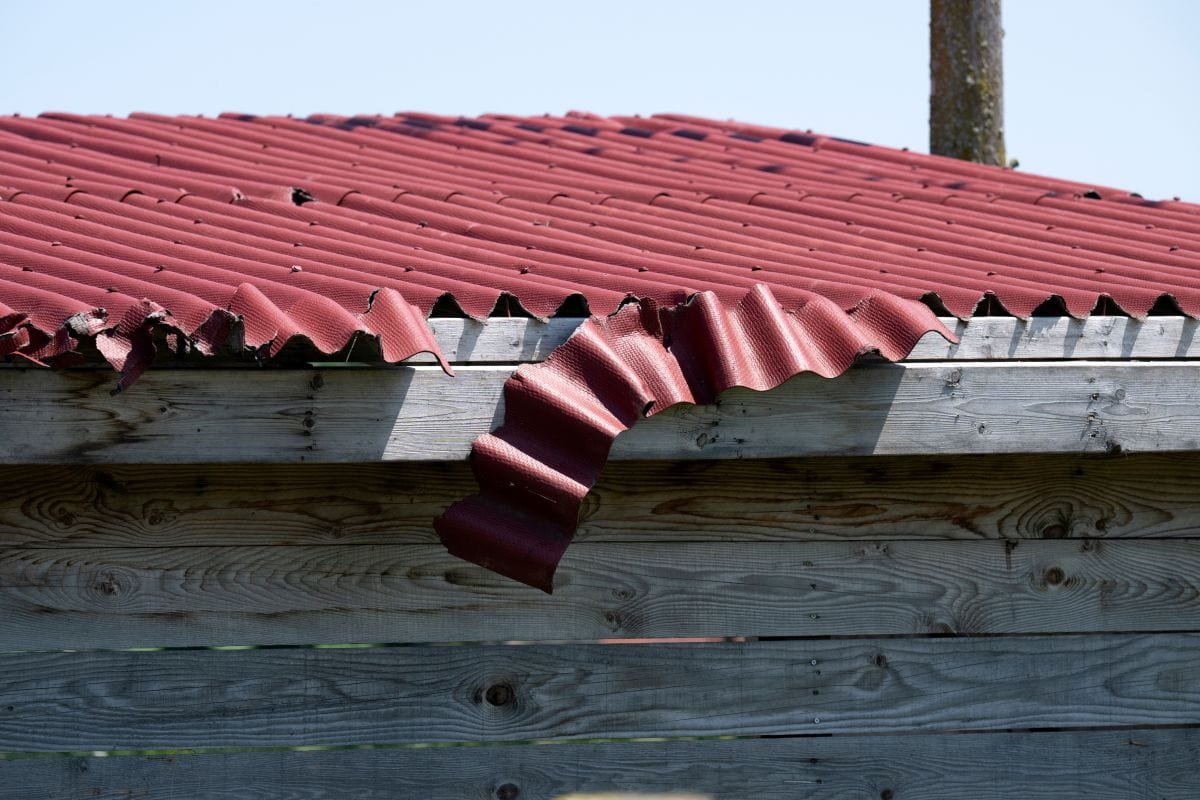 Different weather conditions create different patterns of roof storm damage. Understanding how severe storms affect roofing materials allows homeowners to recognize warning signs early and act before problems spread, and before the window to file an insurance claim closes.
Wind Damage
Strong gusts can lift shingles, break adhesive seals, and create loose shingles along roof edges. Even if shingles are not fully missing, uplift reduces wind resistance and increases vulnerability during the next storm. Repeated wind exposure gradually weakens fastening systems and often leads to progressive roof repairs if not addressed promptly. Without a professional inspection report documenting the uplift and seal damage, insurance carriers may classify the deterioration as wear and tear rather than storm-related damage.
Hail Damage
Hailstones can strike roofing materials with concentrated force, especially during spring and summer storms in Montana. Even small hail can remove protective granules and bruise underlying asphalt layers. This type of damage may not create immediate leaks, but it shortens the roof’s lifespan and often requires professional repairs. Hail damage is among the most frequently underpaid claim types because granule loss and bruising require professional documentation to be recognized by adjusters.
Heavy Rain and Water Intrusion
Extended rainfall exploits minor vulnerabilities created by wind or hail. Moisture can travel beneath shingles and along roof decking before appearing as interior stains. By the time visible damage appears inside the home, insulation and structural framing may already be affected. Documenting water intrusion pathways during a professional inspection ensures interior damage can be included in your claim scope rather than treated as a separate or unrelated issue.
What a Professional Inspection Includes
A professional storm damage inspection involves a detailed evaluation of both visible and hidden components to ensure nothing is overlooked. Every finding is documented with photos, measurements, and written descriptions that align with what insurance adjusters require to process a claim accurately and efficiently.
- Surface assessment: Shingles, metal panels, and seams are inspected for displacement or visible damage and photographed to create a clear record of storm impact for your insurance carrier.
• Flashing evaluation: Chimneys, vents, and valleys are checked for separation or bending, which are commonly missed during adjuster walkthroughs and must be documented to be included in your claim scope.
• Drainage review: Gutters and downspouts are examined for blockage or detachment, supporting the overall storm impact scope across multiple roof components.
• Attic inspection: Interior signs of moisture intrusion and insulation damage are evaluated and documented, ensuring they can be added to your claim before they worsen or become harder to attribute to the storm event.
This thorough process ensures that every component of your roofing system is accounted for and that your insurance claim reflects the full scope of damage sustained.
Insurance Claim Considerations
Storm related roof damage is often covered by homeowner insurance policies, but documentation and timing are critical to claim success. Taking structured steps before contacting your insurance carrier prevents delays, reduces disputes, and ensures every item of damage is clearly tied to the storm event.
What Insurance Companies Require
Insurance carriers typically require clear evidence that damage resulted from recent severe storms, including dated photo documentation, a professional inspection report, and a detailed repair estimate outlining scope and materials. The inspection report should identify each damaged component by location, describe the nature of the damage, and connect it to the type of storm that occurred. Providing organized documentation upfront improves processing efficiency, reduces the likelihood of underpayment, and gives you a stronger position if any findings are disputed during the claims process.
Why Timing Matters
Most policies include reporting deadlines after severe weather, and missing those windows can affect your eligibility for coverage. Waiting too long also creates complications regarding whether damage resulted from the storm or from gradual aging, which gives carriers grounds to reduce or deny the claim. In Billings, where hail and windstorm seasons are predictable, scheduling an inspection immediately after a major weather event establishes a clear timeline that protects your claim from the start. The sooner damage is documented, the harder it is for an insurer to attribute it to anything other than the storm.
Working With a Roofing Professional
An experienced roofing contractor understands how to document storm damage in a way that aligns with adjuster expectations. Professional reporting ensures damage is categorized accurately, estimated properly, and presented in a format that carriers recognize. Montana Roofing Solutions provides detailed inspection reports that include itemized findings, dated photography, and material specifications designed to support a complete and accurate insurance claim. Working with a roofing professional before contacting your carrier ensures you enter the claims process with full documentation rather than relying on an adjuster’s assessment alone.
When to Schedule an Inspection
 Inspection should occur as soon as conditions are safe following severe storms. Even if there are no visible leaks, hidden damage may still exist beneath the surface and worsen over time. Scheduling an inspection immediately after high winds, hailstorms, or heavy rainfall ensures damage is documented while it can still be clearly tied to the storm event, which is critical before contacting your insurance carrier.
You should also schedule an evaluation if you notice ceiling stains, excessive granules in gutters, loose shingles, missing shingles, or unexplained attic moisture. These are signs that damage may already be progressing and that your window to file a well-documented insurance claim is narrowing. Contacting Montana Roofing Solutions before reaching out to your insurance carrier gives you a complete inspection report and puts you in the strongest possible position from the start of the claims process.
What to Do After Your Storm Damage Inspection
Once your inspection is complete, having a clear sequence of next steps helps ensure your insurance claim moves forward without unnecessary delays or complications.
Review Your Inspection Report
Before contacting your insurance carrier, review the inspection report carefully. The report should outline every damaged component, include dated photos, and provide a written description of findings. Understanding what is documented gives you a clear picture of your claim scope before the process begins.
Contact Your Insurance Carrier
Once you have your inspection report in hand, contact your insurance carrier to open the claim. Provide the report and photo documentation at the time of filing. Submitting organized evidence upfront reduces the likelihood of back-and-forth requests and helps establish that damage is storm-related from the start.
Prepare for the Adjuster Visit
Your carrier will typically schedule an adjuster to assess the damage in person. Having your inspection report available during the adjuster visit allows you to cross-reference findings and ensure no documented items are overlooked. If the adjuster assessment differs significantly from the inspection report, you have the right to request a second review.
Move Forward With Repairs
Once your claim is approved, work with your roofing contractor to schedule repairs based on the documented scope. Keeping all repair documentation, receipts, and correspondence organized ensures a smooth process from claim approval through project completion.
Montana Roofing Solutions Protects Your Home After Severe Weather
Storm damage can compromise your roof long before leaks become visible, and undocumented damage is one of the most common reasons insurance claims are delayed, underpaid, or denied. A professional storm damage inspection provides the clarity, documentation, and detailed reporting your insurance carrier requires. Montana Roofing Solutions is a trusted roofing contractor delivering thorough inspections and accurate reporting designed to protect both your property and your claim.
Contact Montana Roofing Solutions today to schedule your inspection before filing your insurance claim and ensure every item of damage is fully documented from the start.