
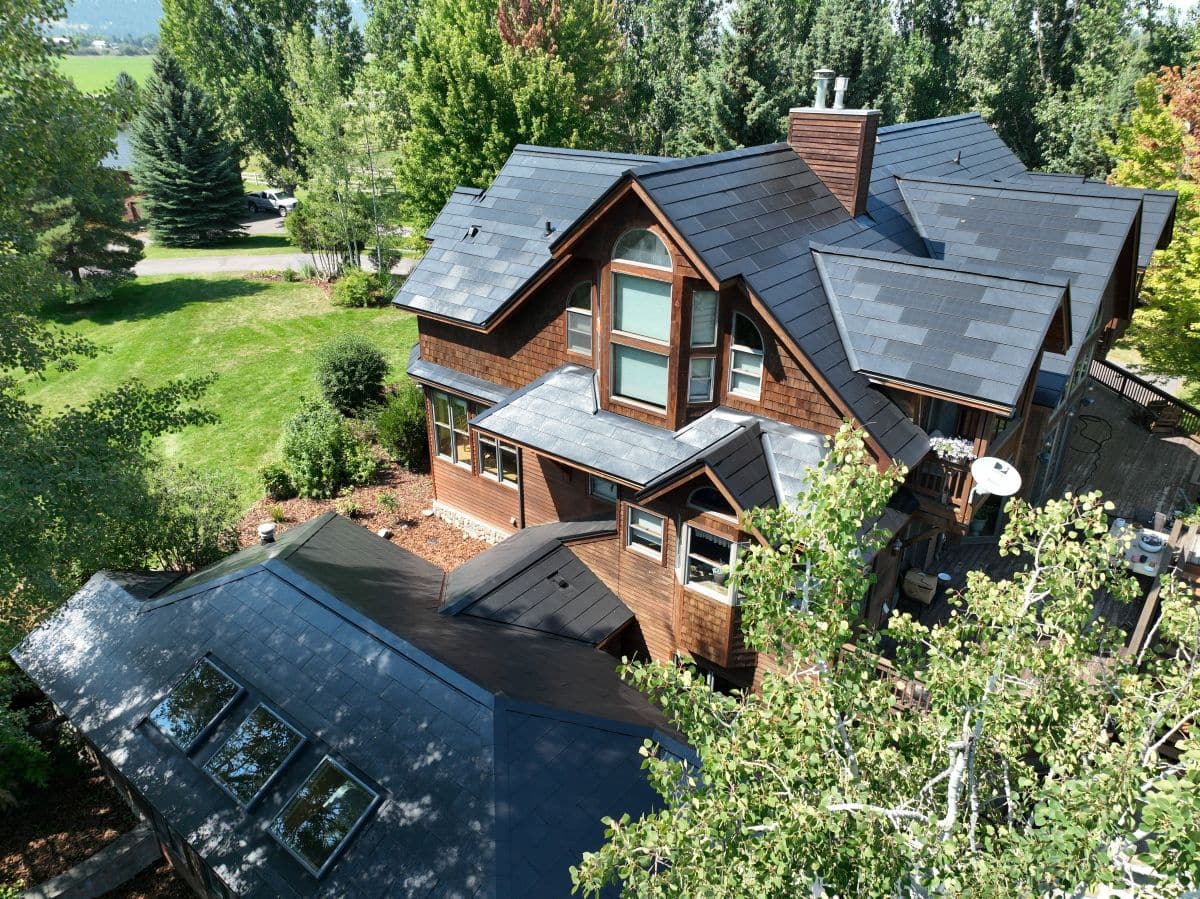
Solar roof tiles vs panels is one of the most important comparisons homeowners make when considering solar power for their home. Both systems use photovoltaic cells to capture sunlight and convert it into electricity, but they differ in structure, cost, efficiency, and installation requirements. In Billings, where roof structure durability must account for snow loads and seasonal temperature swings, selecting the right system requires evaluating both long term performance and roofing compatibility.
- Integrated vs mounted systems: Solar roof tiles replace roofing materials while traditional panels mount above them.
• Cost differences: Tile systems often involve a higher upfront cost.
• Energy production focus: Panels typically maximize energy.
• Roof compatibility: Some systems require full roof replacement first.
We’re proud to serve home and business owners in Billings, MT, and nearby communities with roofing evaluations like solar roof tiles vs panels and more.
Understanding the Structural Differences
 Before comparing cost and performance, it is important to understand how each system integrates with your roof structure. Although both options produce solar power, they interact with the roofing system in very different ways.
Solar Tiles as Roofing Material
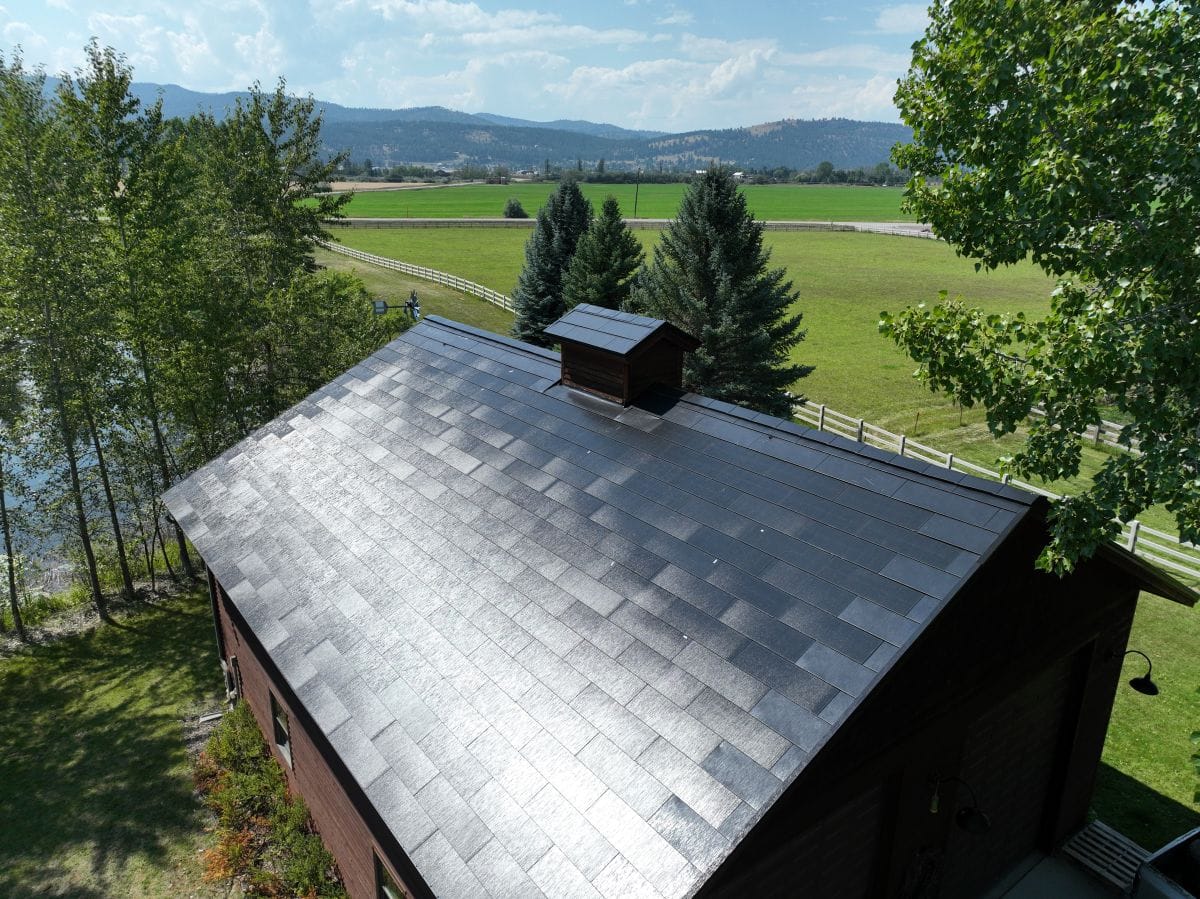
Solar roof tiles, often called solar shingles, replace traditional roofing materials and function as both weather protection and energy generation. Instead of installing panels over asphalt shingles, these tiles become the outer protective layer of the roof while generating electricity through built in photovoltaic cells.
- Roof integrated system: Solar shingles replace traditional roofing entirely.
• Seamless appearance: Designed to resemble conventional roof tiles.
• Ideal during roof replacement: Best installed during full roofing upgrades.
• Complex installation: Solar tile installation requires specialized expertise.
Because they replace traditional roofing materials, they must align precisely with the home’s existing roof structure to maintain water shedding performance and durability.
Solar Panels as Mounted Systems
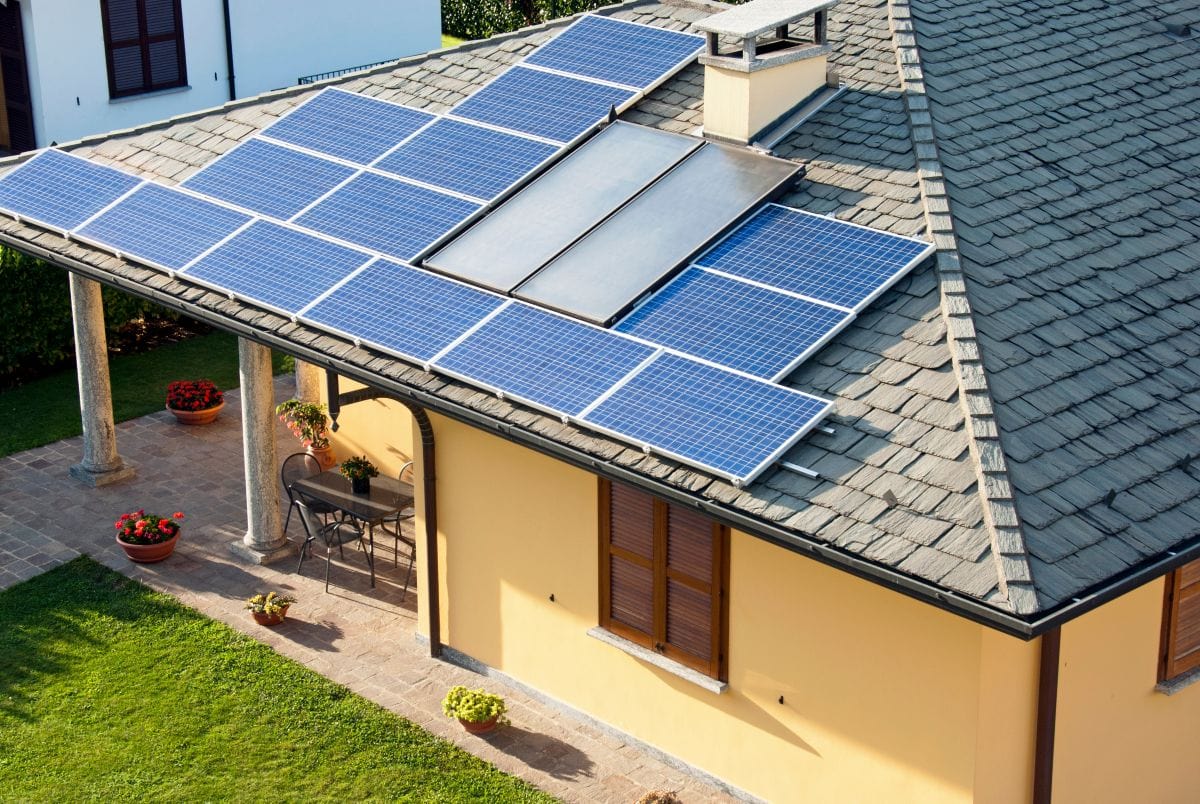
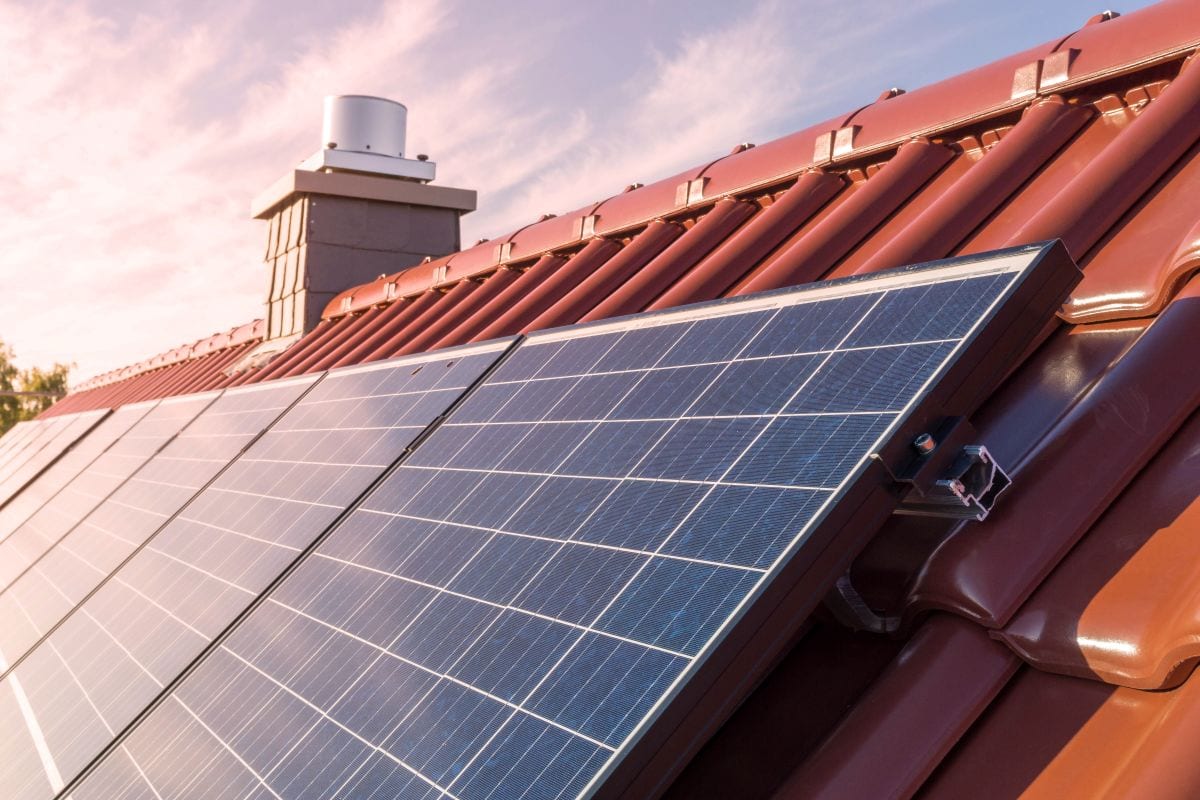
Solar panels are installed above traditional roofing materials such as asphalt shingles or metal roofing. They use racking systems secured to the roof deck while remaining structurally separate from the underlying roofing system.
- Mounted above roofing: Installed over traditional roofing systems.
• Flexible retrofit option: Can be added without full roof replacement.
• Optimized for efficiency: Designed primarily to maximize power generation.
• Widely adopted system: Traditional panels are common nationwide.
Mounted systems allow homeowners to add solar power without replacing the entire roofing surface, provided the roof structure remains sound.
Solar Roof Tiles vs Panels
When homeowners compare solar roof tiles vs panels, the biggest distinction is integration versus independence. Tiles become part of the roof system itself, while panels remain an add on feature secured to it.
- Integrated construction: Solar roof tiles replace the outer roof layer.
• Independent installation: Panels sit above traditional roofing materials.
• Visual difference: Tiles blend evenly, panels remain visible.
• Structural impact: Tiles require coordination with roof decking.
Understanding this difference is essential when you compare solar roof tiles to traditional panel systems.
7 Key Differences Between Solar Roof Tiles vs Panels
Choosing between these systems requires evaluating structural, financial, and long term considerations. The following differences highlight how each option performs in real world applications.
- Installation Method: Tiles replace roofing materials, panels mount above them.
- Upfront Investment: Solar roof tiles typically require a higher upfront cost.
- Energy Efficiency: Traditional panels often deliver higher output per square foot.
- Roof Requirements: Tiles require new roofing, panels may not.
- Maintenance Access: Panels can be serviced independently.
- Visual Impact: Tiles blend into the roof, panels remain visible.
- Project Coordination: Tile systems combine roofing and solar tile installation into one process.
Each difference affects budgeting, project timeline, and long term maintenance planning.
Cost Comparison: Solar Roof Tiles vs Panels
Cost remains one of the most significant factors for homeowners evaluating solar power options. Solar tiles combine roof replacement and solar installation into one comprehensive project, increasing labor and material costs. Mounted panels add energy production to an existing roof, typically lowering overall investment.
| Feature | Solar Tiles | Solar Panels |
| Average Cost Range | Higher | Lower |
| Roof Replacement Required | Yes | Not always |
| Installation Timeline | Longer | Shorter |
| Efficiency Potential | Moderate | Higher |
| Maintenance Access | Integrated | Independent |
While solar shingles enhance curb appeal, traditional panels often provide a shorter financial payback period due to lower starting costs and optimized power generation.
Performance in Montana Weather Conditions
Montana’s climate significantly influences solar system performance. Snow accumulation, freeze thaw cycles, and high winds create stress on both roofing materials and mounting systems. Evaluating roof structure strength and slope is essential before installation.
Solar panels are secured using reinforced hardware designed for wind resistance. Their elevated position may allow snow to shed more easily depending on roof pitch. Solar roof tiles must maintain consistent water shedding performance because they function as the primary roofing layer.
Both systems can perform well in Billings when installed correctly. Structural inspection before installation ensures long term durability.
Long Term Value and Ownership Considerations
 When homeowners compare solar roof tiles, they should consider more than just upfront price. Long term value depends on maintenance flexibility, warranty coverage, durability, and how each system interacts with the roof structure over time.
Maintenance Flexibility
Solar panels allow individual modules to be removed or replaced without disturbing roofing materials. This independence simplifies service if electrical components require attention.
- Independent module replacement: Panels can be serviced individually.
• Roof preserved beneath: Underlying shingles remain intact.
• Simplified electrical access: Wiring remains accessible.
• Reduced repair disruption: Maintenance rarely impacts roofing materials.
Roof Lifespan Coordination
Solar roof tiles align roofing and energy production into one unified system. Because they replace traditional roofing materials, both the protective surface and solar components age together.
- Unified lifespan: Roofing and solar components integrate.
• Coordinated warranties: Coverage may overlap between systems.
• Best during full replacement: Ideal when upgrading traditional roofing.
• Structural alignment: Must integrate precisely with roof decking.
Return on Investment
Return depends on installation cost, energy usage, and local electricity rates. Traditional panels often reach financial break even sooner because they avoid the higher upfront cost associated with full roof integration.
- Lower entry cost: Panels reduce initial financial barrier.
• Energy savings potential: Both systems contribute to power generation.
• Long term residency factor: Staying longer increases return.
• Utility rate influence: Higher electricity rates increase savings value.
Property Value Impact
Homes equipped with solar power systems may appeal to energy conscious buyers. Appearance preferences can influence resale perception when homeowners compare solar roof tiles vs panels.
- Integrated curb appeal: Tiles create uniform roof aesthetics.
• Recognized technology: Mounted panels remain widely accepted.
• Energy awareness: Solar upgrades attract efficiency minded buyers.
• Market familiarity: Panels remain more common nationwide.
Understanding these ownership factors helps homeowners choose the solution that aligns with long term goals.
Which Option Is Best for Your Home?
 The best system depends on roof age, structural condition, budget, and aesthetic preference. If your roof is nearing the end of its lifespan, installing solar shingles during replacement may streamline the project. If your existing roof structure remains strong, mounted panels can provide efficient solar power without full replacement.
Homeowners focused on seamless appearance may prefer integrated solar roof tiles. Those prioritizing cost efficiency often lean toward traditional panels. Reviewing production estimates, installation cost, and structural readiness provides clarity before making a final decision.
Montana Roofing Solutions Helps You Prepare for Solar Integration
Before installing solar roof tiles or mounted panels, it is essential to confirm your roof structure is prepared for long term performance. Montana Roofing Solutions provides professional roof inspections and roof replacement services throughout Billings, MT to ensure your home is ready for solar integration.
Whether you are planning solar tile installation during a new roof project or adding traditional panels to asphalt shingles, our team evaluates decking strength, ventilation systems, and overall structural stability. Contact Montana Roofing Solutions today to schedule a professional roof evaluation and determine the right solar power solution for your home.