
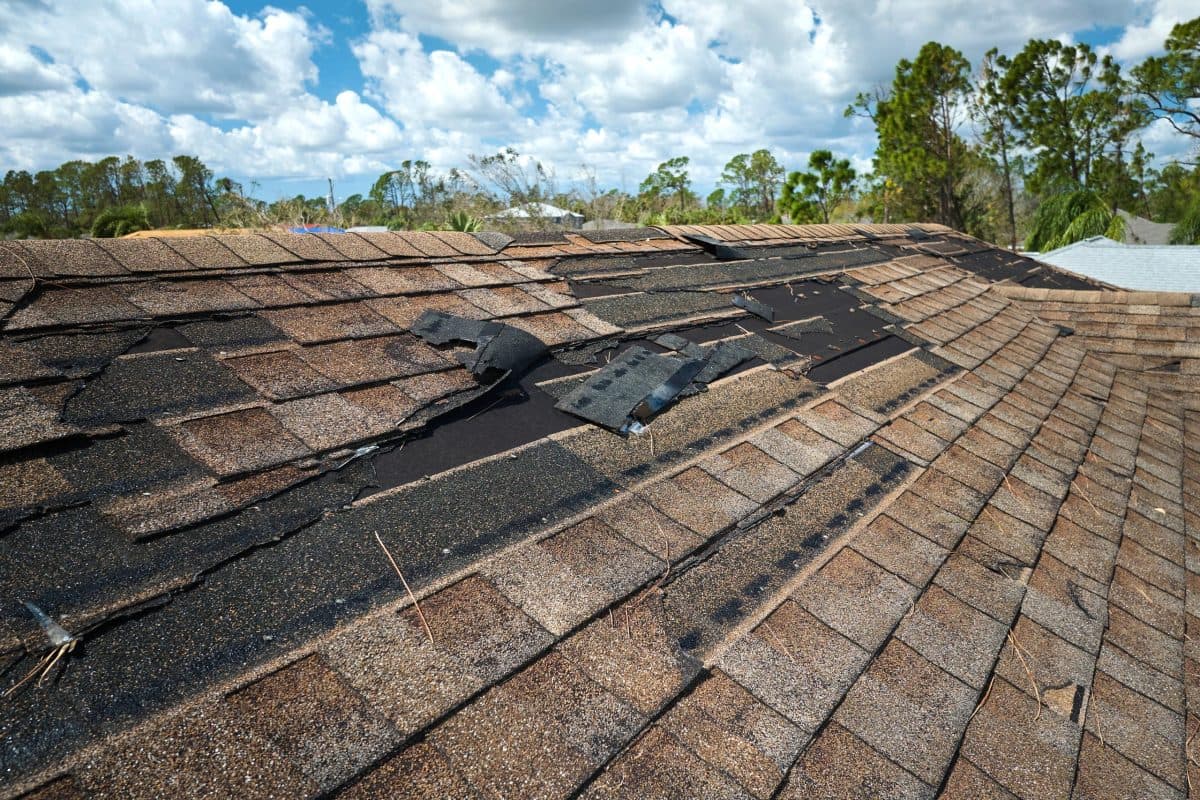
Roof problems rarely announce themselves with a dramatic leak. More often they start small, with a few lifted shingles, a faint stain, or granules in the gutter, and grow quietly until repairs get expensive. Learning the signs of roof damage gives you a chance to act early, protect your home, and avoid costly surprises. Whether you are checking an older roof or one that just weathered a storm, understanding what a healthy roof should look like makes problems much easier to spot.
In this guide, you will learn:
- Why catching roof damage early saves money and stress
- Eight signs of roof damage and what each one means
- How to check your roof safely from the ground and the attic
- Which problems are urgent and which can wait for a scheduled visit
Why Catching Hidden Roof Damage Early Pays Off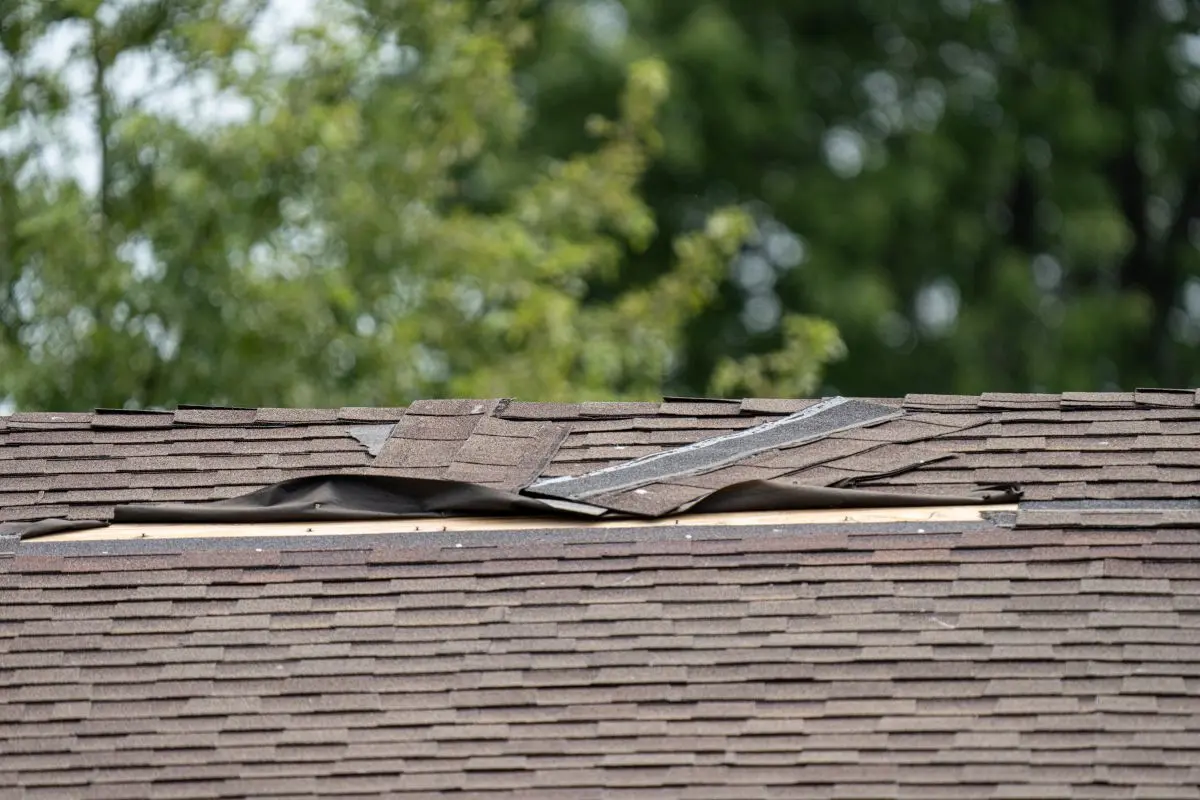
A roof works as a system, and a small failure in one place can let water reach insulation, decking, and framing. The sooner you notice a problem, the more options you have and the less it tends to cost to fix.
- Lower repair costs: Fixing a few shingles or a worn seal is far less expensive than repairing the water damage that follows.
- Structural protection: Keeping moisture out protects the decking and framing that hold your roof up.
- Healthier indoor air: Stopping leaks early helps prevent mold and mildew from taking hold in the attic and walls.
- Better planning: Catching wear early gives you time to budget for repairs or a replacement instead of reacting to an emergency.
- Insurance readiness: Clear records of when damage appeared make any claim easier to support.
Homeowners in Polson and surrounding areas deal with heavy snow, strong winds, and summer storms, so it pays to look over your roof regularly rather than waiting for a leak to show up inside.
8 Signs of Roof Damage to Watch For
Some signs are visible from the yard, while others only show up inside the home. Here are the eight most common indicators that your roof needs attention.
1. Damaged Shingles: Missing, Cracked, or Creased
Shingles are your roof’s first line of defense, and when they fail, the layers underneath are exposed. Wind, hail, age, and sun can all cause shingles to crack, curl, or detach.
- Look for bare patches or exposed nails on the roof surface
- Check the lawn and gutters for shingle pieces after storms
- Creased shingles, which look folded or bent from high winds, no longer seal properly
- Curled edges let wind and water get underneath
2. Granules in Your Gutters and Downspouts
Asphalt shingles are coated with granules that protect them from the sun. A noticeable buildup in the gutters or at the base of downspouts usually means the shingles are wearing out.
- Bald or shiny spots on shingles are a warning sign
- Heavy granule loss often points to age or hail damage
- Widespread loss may mean the roof is nearing the end of its life
3. Damaged or Rusted Flashing
Flashing seals the joints around chimneys, vents, skylights, and valleys. When it bends, rusts, or pulls away, water gets in at exactly the places that are hardest to see.
- Check for gaps between the flashing and the roof surface
- Look for rust, cracks, or dried out sealant
- Flashing problems are among the most common sources of leaks
4. Sagging Areas on the Roof
A roofline that dips or sags can point to saturated decking or structural stress. This is a serious sign that deserves a professional look as soon as you notice it.
- Look at the roofline from across the street for dips or waves
- Check the attic for soft or darkened wood
- Never walk on a roof that seems unstable
5. Ceiling Stains and Active Leaks
Brown or yellow stains inside the home show that water has already made its way through the roof. Stains often appear well after the leak itself begins.
- Stains that grow after rain or snowmelt suggest an active leak
- Stains near vents or chimneys often point to flashing issues
- Peeling paint or bubbling drywall can signal hidden moisture
6. Attic Moisture and Light Coming Through the Roof Boards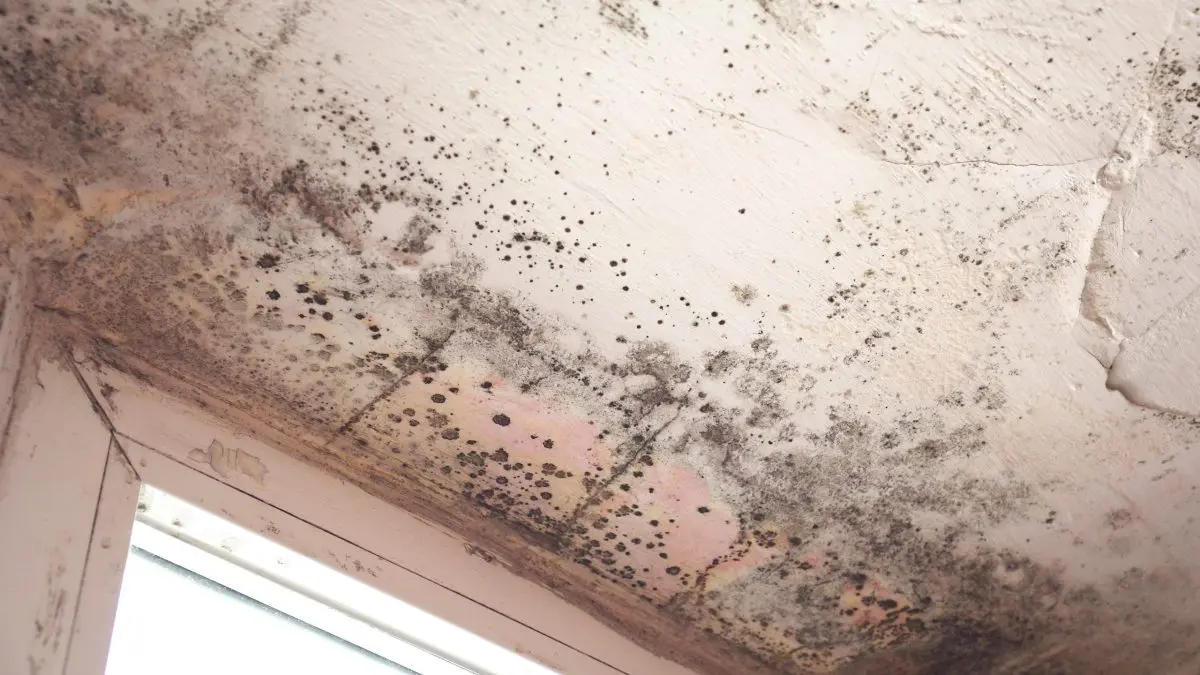
If you can see daylight in the attic, water and air can get in too. This simple check often reveals gaps around vents, pipes, and old nail holes.
- Check the attic on a bright day with the lights off
- Look around vent pipes and the chimney first
- Damp insulation or a musty smell points to attic moisture
- Even small pinholes can let in meaningful moisture over time
7. Moss, Algae, and Moisture Buildup
Dark streaks and green patches are more than cosmetic. Moss holds moisture against the roof surface, and over time it can lift shingles and shorten the life of the roof.
- Dark streaks are often algae and may only be cosmetic at first
- Thick moss traps water and can damage shingle edges
- Shaded areas under trees are especially prone to buildup
8. Rising Energy Bills and Drafts
Heating and cooling costs that creep up without explanation can trace back to damaged insulation or poor ventilation caused by roof problems. Wet insulation loses much of its effectiveness.
- Compare bills with the same months from previous years
- Notice rooms that feel unusually drafty or hard to heat
- Have the attic checked for damp or compressed insulation
How to Check Your Roof Safely
You do not need to climb a ladder to learn a lot about your roof. A careful look from the ground and the attic reveals most of what you need to know, and it keeps you off a surface that can be dangerous.
Start From the Ground
Walk around your home and look up at each slope. Binoculars can help you see details without leaving the yard, and a slow lap around the house is usually enough to spot obvious trouble.
- Look for missing, lifted, or discolored shingles
- Check gutters and downspouts for granules and debris
- Scan flashing, vents, and chimneys for visible gaps
Inspect the Attic for Moisture and Heat Damage
Head into the attic with a flashlight, ideally after a rainstorm or snowmelt. Look for stains on the underside of the decking, damp insulation, and any light coming through the roof.
- Look for dark stains or wet spots on the wood
- Feel the insulation for dampness
- Notice any musty smell that could signal moisture
- Extreme heat can also bake an attic and age shingles from below, so note unusually hot or stuffy air
Check Inside the Home
Look over ceilings and walls on the top floor, especially near the attic hatch, chimneys, and bathroom vents. Early staining often shows up there first.
Homeowners in Polson and surrounding areas should include an inspection after every season change and after any major storm, since wind, hail, and heavy snow are common sources of hidden damage.
Know When to Stay Off the Roof
Roofs are slippery, steep, and unforgiving, especially when wet or covered in snow. If you suspect damage and cannot see it safely from the ground, a professional can assess it without the risk.
Urgent Problems vs. Issues That Can Wait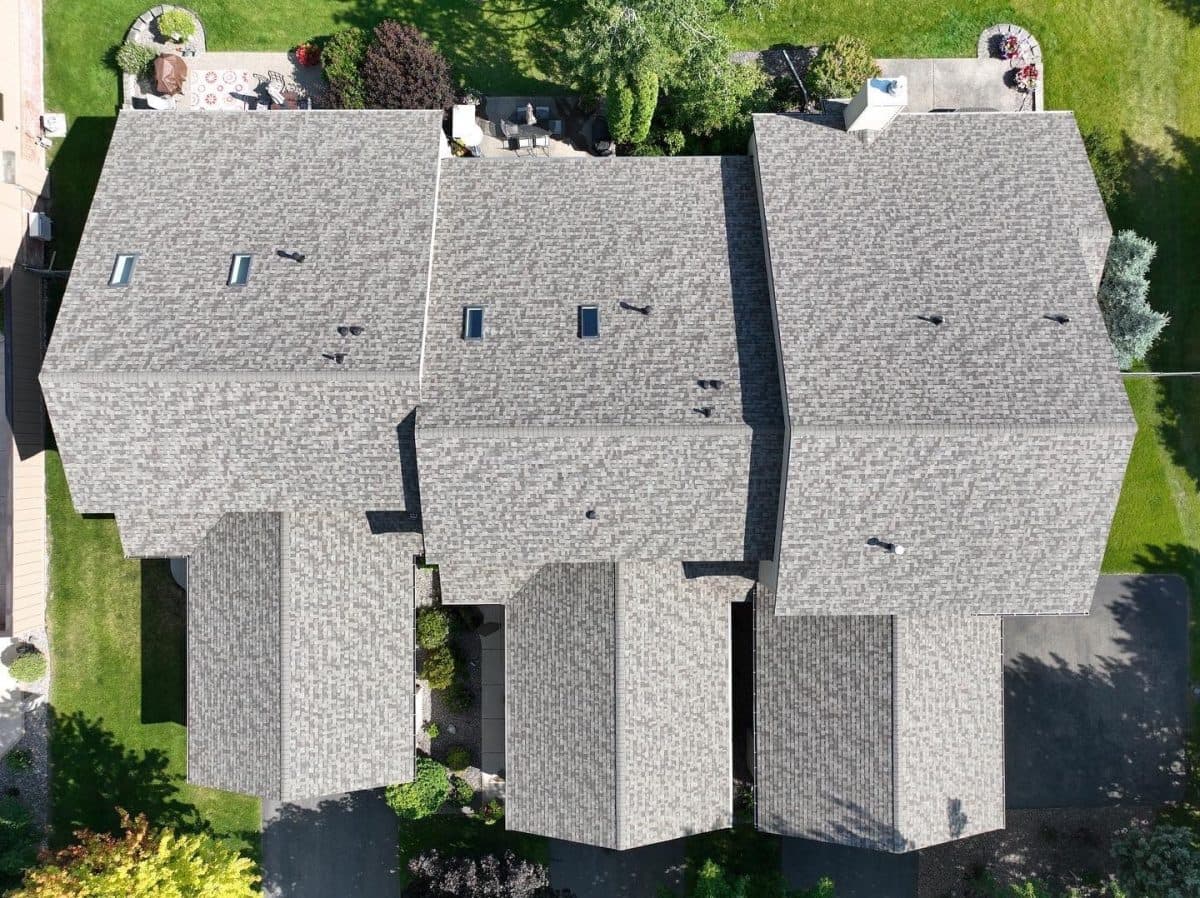
Not every sign of roof damage needs an emergency call, but some do. Knowing the difference helps you respond appropriately without panicking or putting things off too long.
| Sign | Urgency | What to Do |
| Active leak or dripping water | Urgent | Contain the water and call a roofer right away |
| Sagging roofline | Urgent | Stay off the roof and schedule an assessment immediately |
| Large areas of missing shingles | Urgent | Protect the area and arrange a repair soon |
| A few cracked or curled shingles | Soon | Schedule a repair before the next heavy weather |
| Granule buildup in gutters | Monitor | Keep an eye on it and book an inspection |
| Moss or algae streaks | Monitor | Plan cleaning and check for underlying wear |
After Hail Damage or Extreme Heat
Check your roof after hail, high winds, extreme heat, or heavy snow even if nothing looks wrong. Damage is not always obvious from the ground, and a quick professional inspection can catch problems before they get worse. For homeowners in Polson and surrounding areas, a post storm check is one of the best habits you can build.
Keep Records for an Insurance Claim
Take dated photos of your roof, interior stains, and any repairs. A simple record helps you track changes over time and gives you solid documentation if you ever file an insurance claim.
- Photograph damage from several angles
- Save repair invoices and inspection reports
- Note the date and weather event connected to each problem
Get Your Roof Checked With a Professional Inspection
Roof damage is easiest and cheapest to handle when you catch it early. By watching for these signs and checking your roof a few times a year, you can protect your home and avoid the stress of a major repair.
If you have noticed any warning signs, or you simply want peace of mind, our team at Montana Roofing is ready to help. We will inspect your roof, explain what we find in plain language, and recommend the right next step. Homeowners in Polson and surrounding areas can contact us today to schedule an inspection.