
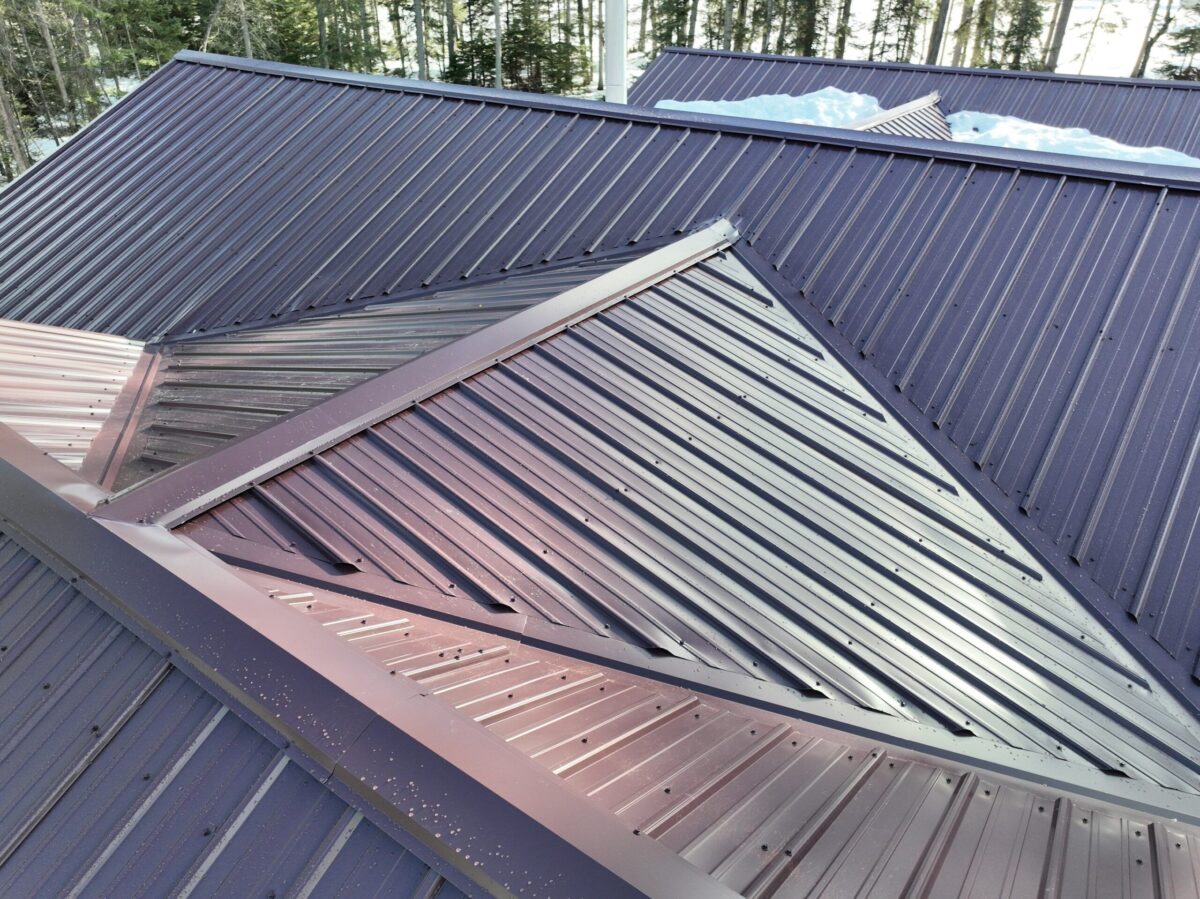
If you have been exploring your options for a roof replacement, metal roofing has probably come up as a serious contender. It is one of the most durable materials available and a natural fit for Montana’s demanding climate, but it is not the right choice for every homeowner or every budget. Understanding the metal roofing pros and cons clearly helps you make a confident, informed decision rather than one based on marketing alone. If you are weighing metal roofing for your home, here is an honest look at both sides of the equation.
Here’s what we’ll cover:
- Durability and lifespan: Why metal outperforms most other roofing materials long-term
- Weather performance: How metal holds up to Montana hail, snow, and wind
- Energy efficiency: The thermal and reflectivity benefits of metal roofing
- Upfront cost: What to expect and how to think about long-term value
- Noise and expansion: The common concerns homeowners raise about metal
- Aesthetics and resale value: How metal roofing affects your home’s appearance and marketability
Why Metal Roofing Deserves a Serious Look in Montana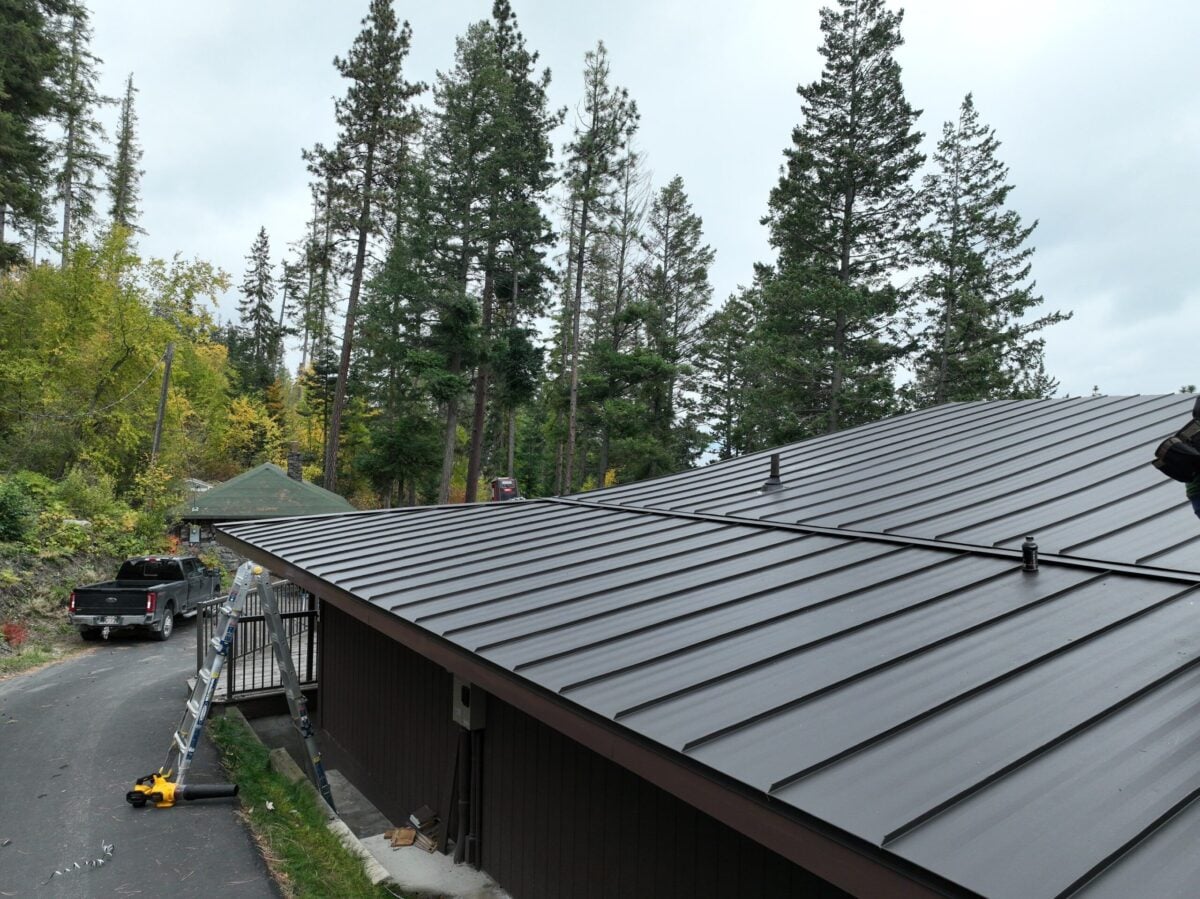
Montana’s climate is not gentle on roofing materials. Freeze-thaw cycles, heavy snow loads, hailstorms, and intense summer heat swings put roofs through more stress than most regions in the country. Metal roofing was built for exactly these conditions. It sheds snow, resists hail impact, and handles temperature extremes without the cracking, curling, or granule loss that eventually takes down asphalt shingle systems.
That said, metal roofing is a significant investment, and the decision deserves a full picture of both the advantages and the limitations. The goal is not to oversell metal roofing but to give you the information you need to decide whether it is the right fit for your home, your budget, and your long-term plans.
4 Pros of Metal Roofing
Metal roofing offers a set of advantages that few other materials can match, particularly in a climate like Montana’s. These benefits explain why metal roofing’s share of the residential market has grown substantially over the past two decades.
1. Exceptional Longevity
The lifespan of a properly installed metal roof is its most compelling advantage. Where standard asphalt shingles typically last 20 to 30 years, a quality metal roofing system can last 50 years or more with minimal maintenance. According to the Metal Roofing Alliance, modern residential metal roofs will not warp, crack, rot, or rust and can last 50 or more years with little maintenance required, making them one of the only roofing materials that can genuinely outlast the mortgage on a home.
- Lifespan advantage: A metal roof installed today may never need replacing for the life of the home, eliminating one future replacement cycle entirely
- Minimal maintenance: Unlike asphalt shingles that require periodic inspection and granule loss monitoring, metal roofs require little beyond keeping gutters clear and checking flashings after major storms
- Warranty coverage: Many metal roofing systems come with 50-year material warranties and 15-year or longer workmanship guarantees from certified installers
2. Superior Weather Performance
Metal roofing handles Montana’s full weather spectrum better than virtually any other residential roofing material. Its strength, rigidity, and interlocking panel design give it a meaningful edge over asphalt shingles in high-wind events, hailstorms, and heavy snow seasons.
- Wind resistance: Quality metal roofing systems are engineered to withstand wind gusts up to 140 mph, far exceeding the wind resistance of standard asphalt shingles
- Hail performance: Metal roofing absorbs hail impact without the granule displacement and mat bruising that compromises asphalt shingles, and Class 4 impact-resistant ratings are common across metal roofing products
- Snow shedding: Metal’s smooth surface encourages snow to slide off naturally rather than accumulating, reducing structural load and minimizing ice dam formation along eaves
3. Energy Efficiency Benefits
Metal roofing reflects solar radiation rather than absorbing it, which reduces the amount of heat transferred into the attic during summer months. This reflectivity, combined with the option for above-sheathing ventilation in certain installation systems, can meaningfully reduce cooling costs compared to dark asphalt shingles. In Montana’s mixed climate, metal roofing performs well across both the heating and cooling seasons.
- Solar reflectance: Metal reflects a significant portion of the sun’s infrared radiation, keeping roof surface temperatures lower and reducing attic heat buildup
- Ventilated systems: Standing seam metal roofing can be installed with an air gap between the panels and the roof deck, adding a thermal break that improves energy performance
- Cooler attics: Reduced attic heat load eases the demand on your HVAC system during summer months, contributing to lower energy bills over the roof’s lifespan
4. Long-Term Cost Value
The upfront cost of metal roofing is higher than asphalt, but the long-term cost picture looks quite different when you factor in lifespan, maintenance, and replacement cycles. A homeowner who installs asphalt shingles today may replace that roof once or twice before a metal roof installed at the same time would need any attention. Over a 50-year window, metal roofing frequently proves to be the more cost-effective choice.
- Replacement savings: Eliminating one or two full roof replacements over the life of a home represents a significant long-term cost reduction
- Insurance benefits: Many insurance providers offer premium discounts for Class 4 impact-resistant metal roofing, which can offset a portion of the higher upfront cost over time
- Home value: Metal roofing is widely recognized by buyers and appraisers as a premium feature that adds to resale value, particularly in Montana where weather durability is a top concern
4 Cons of Metal Roofing
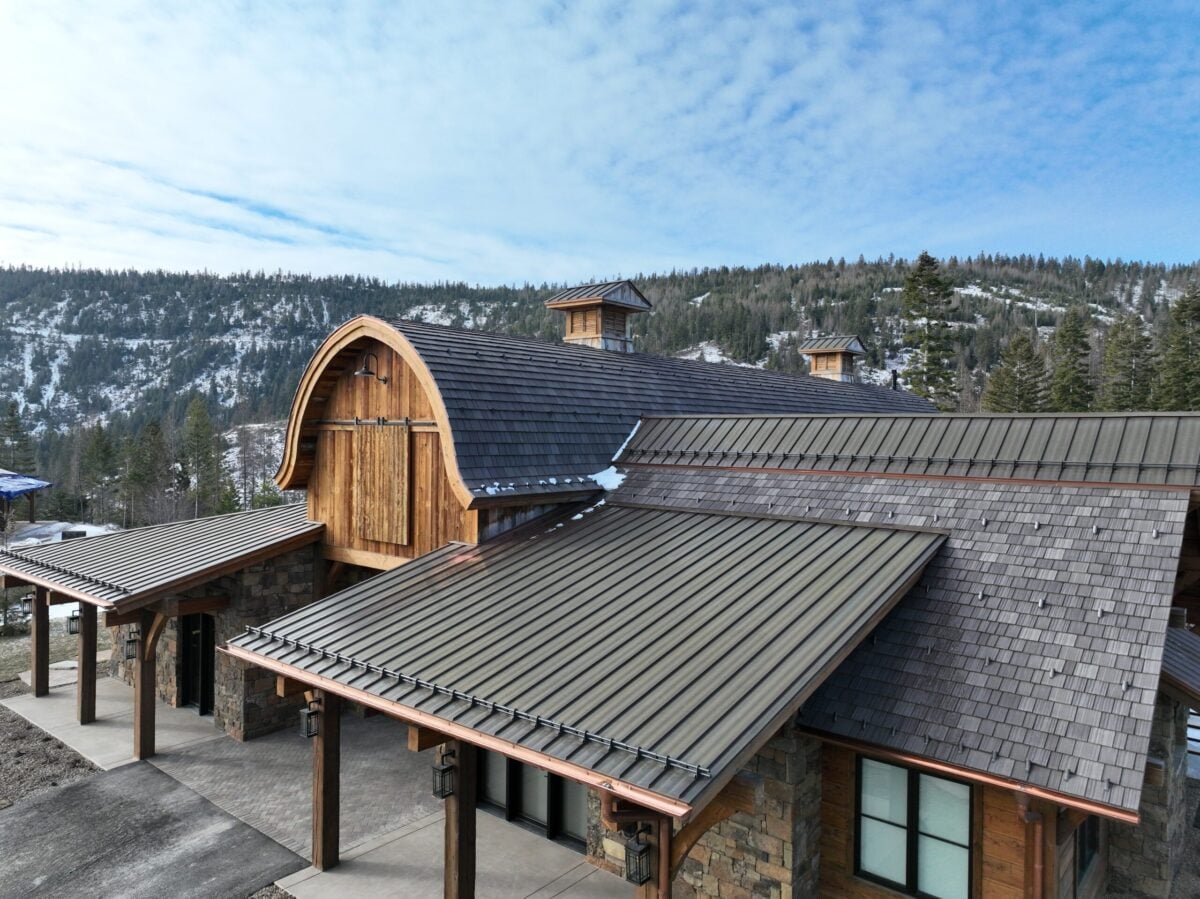
No roofing material is without tradeoffs, and metal roofing has a specific set of limitations that matter for certain homeowners and situations. Understanding these honestly is as important as understanding the benefits.
1. Higher Upfront Cost
The most significant barrier to metal roofing for most homeowners is the upfront cost. A quality metal roofing system typically costs two to three times more than a comparable asphalt shingle installation. For homeowners on a tight replacement budget, this gap can be prohibitive even when the long-term math favors metal.
- Price range: Metal roofing installations vary widely based on material type, gauge, and system, but expect to pay significantly more per square than asphalt shingles
- Financing options: Many reputable metal roofing contractors offer financing that spreads the cost over time, making the monthly payment comparable to what the energy savings and avoided future replacement costs offset
- Budget timing: For homeowners planning to sell within five to ten years, the higher upfront cost may not be fully recovered in the sale price depending on local market conditions
2. Noise During Rain and Hail
One of the most common concerns homeowners raise about metal roofing is noise. Rain and hail striking a metal surface can be louder than the same precipitation on asphalt shingles, particularly in attic spaces. The degree to which this is noticeable depends heavily on the installation method, the presence of attic insulation, and whether solid sheathing is used beneath the panels.
- Solid sheathing effect: Metal roofing installed over solid plywood or OSB decking with proper insulation is significantly quieter than exposed metal on open framing
- Attic insulation: Adequate attic insulation absorbs sound transmission, reducing the audible difference between metal and asphalt in living spaces below
- Personal preference: Some homeowners actively enjoy the sound of rain on a metal roof; it is genuinely a matter of individual preference rather than a universal drawback
3. Expansion, Contraction, and Oil Canning
Metal expands and contracts with temperature changes, which creates unique installation considerations compared to asphalt shingles. Improperly installed metal roofing with exposed fasteners can develop leaks over time as fasteners loosen through thermal movement. A related aesthetic issue called oil canning, a slight waviness visible in flat metal panels, is more common in lighter gauge products.
- Exposed vs. hidden fasteners: Exposed fastener systems are more vulnerable to long-term leak risk from thermal movement; hidden fastener standing seam systems eliminate this concern by allowing panels to float freely
- Gauge matters: Heavier gauge metal, such as 24-gauge standing seam panels, is more resistant to oil canning and structural distortion than lighter 26 or 29-gauge products
- Qualified installation: The thermal movement characteristics of metal roofing make proper installation by a certified contractor more critical than with asphalt shingles, where installation errors are more forgiving
4. Not Always Compatible With Every Roof Design
Certain roof designs and low-slope configurations require specific metal roofing products and installation approaches that not all contractors are equipped to provide. Complex rooflines with many penetrations, valleys, and transitions also increase installation time and cost compared to simple gable roofs.
- Low-slope roofs: Not all metal roofing profiles are suitable for low-slope applications; standing seam systems handle low slopes well, but some metal shingle products require minimum pitch requirements
- Complex rooflines: Hips, valleys, dormers, and multiple penetrations increase the labor intensity and material waste of a metal installation
- Contractor availability: Finding a contractor certified and experienced in quality metal roofing installation is more important and sometimes more challenging than finding an asphalt shingle installer
Metal Roofing vs. Asphalt Shingles at a Glance
Here is a direct comparison across the factors homeowners weigh most when choosing between the two most common residential roofing options.
| Factor | Metal Roofing | Asphalt Shingles |
| Lifespan | 50 or more years | 20 to 30 years |
| Upfront cost | Higher | Lower |
| Long-term cost | Lower over 50 years | Higher due to replacement cycles |
| Wind resistance | Up to 140 mph | 60 to 130 mph depending on product |
| Hail resistance | Excellent | Moderate to good with Class 4 upgrade |
| Snow shedding | Excellent | Moderate |
| Energy efficiency | High reflectance | Lower reflectance with standard products |
| Noise | Slightly louder without insulation | Quieter |
| Maintenance | Minimal | Periodic inspection and repairs |
| Resale value impact | Strong positive | Moderate |
Common Questions About Metal Roofing
Homeowners considering metal roofing tend to have a consistent set of questions. Here are straightforward answers to what we hear most.
Is metal roofing worth the extra cost in Montana?
For most Montana homeowners planning to stay in their home long-term, yes. The combination of longevity, weather performance, minimal maintenance, and potential insurance savings makes metal roofing a strong long-term investment in a climate that is genuinely hard on roofing materials. The break-even point compared to asphalt varies by system cost and energy savings, but many homeowners reach it within 15 to 20 years.
Does metal roofing increase the risk of lightning strikes?
No. Metal roofing does not attract lightning. Lightning is determined by atmospheric conditions, not roofing materials. In the event of a strike, metal roofing is actually safer than combustible materials like wood shake because it is noncombustible and will not ignite.
What is the difference between standing seam and exposed fastener metal roofing?
Standing seam systems use hidden clips that allow the panels to expand and contract with temperature changes, with no fasteners penetrating the roof surface. This eliminates the primary leak risk associated with metal roofing over time. Exposed fastener systems use screws that penetrate the panel surface and are sealed with rubber washers, which can degrade over time. For long-term performance, hidden fastener standing seam systems are the superior choice.
Can metal roofing be installed over existing shingles?
In some cases, yes. Installing metal roofing over existing asphalt shingles can save on tear-off costs and add a thermal barrier layer. However, this approach is not appropriate for every roof and requires a structural assessment to confirm the additional weight is acceptable. It also limits the ability to inspect and address any underlying deck issues before installation.

Montana Roofing Solutions is proud to serve homeowners in Bigfork, MT, and surrounding communities with expert metal roofing installations, honest assessments, and the certified craftsmanship that Montana weather demands.
Montana Roofing Solutions Knows Metal Roofing Inside and Out
Choosing a metal roof is one of the most significant investments you can make in your home, and it deserves a contractor who knows the material and the climate. At Montana Roofing Solutions, we specialize in hidden fastener, 24-gauge standing seam metal roofing systems built to handle everything Montana throws at them. We will walk you through the options, give you a straight answer on whether metal is the right fit for your home, and back every installation with industry-leading warranties. Contact Montana Roofing Solutions today to schedule your free metal roofing consultation.