
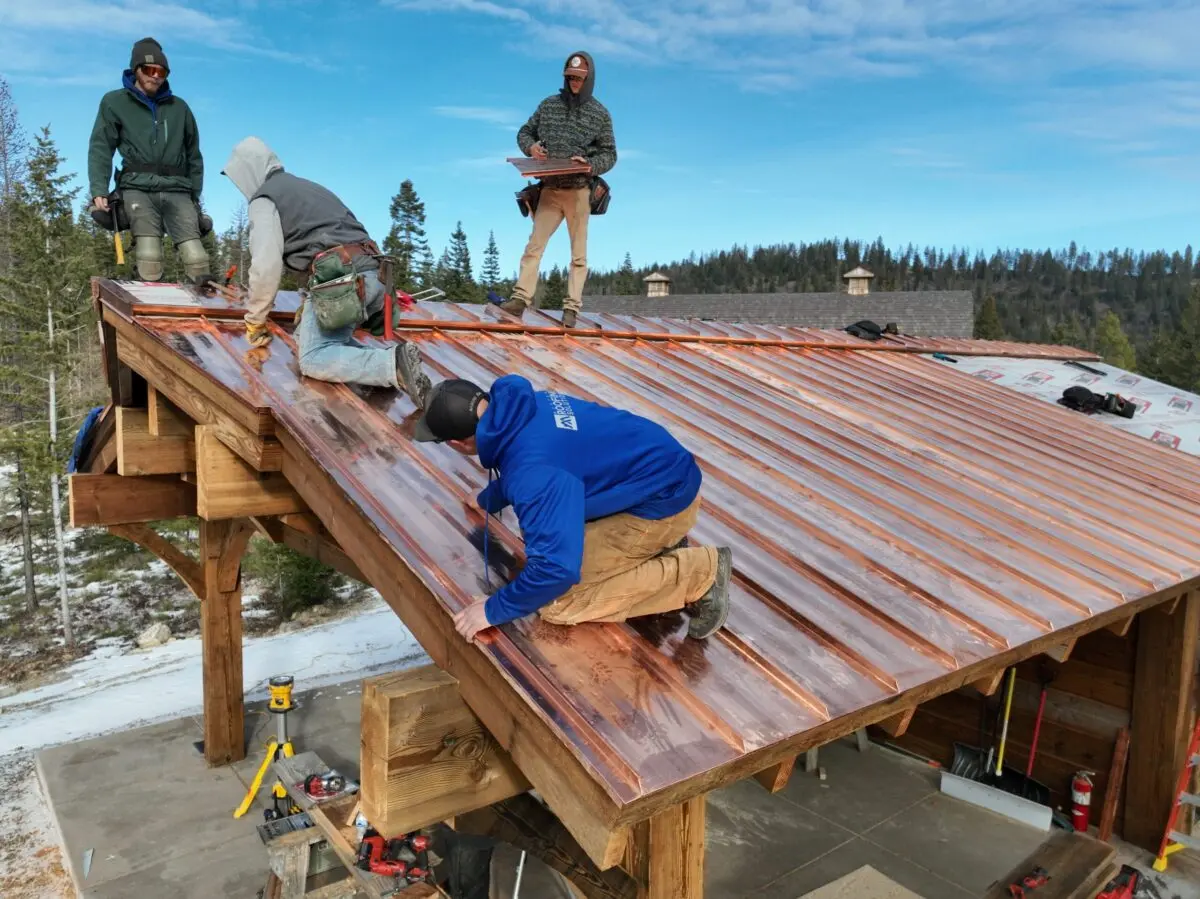
Metal roofing is known for lasting decades, but even the most durable roof eventually reaches the point where repairs no longer make sense. Knowing when to consider a metal roof replacement helps homeowners avoid the risk of sudden leaks, structural damage, or costly emergency repairs. Many homeowners first start paying closer attention to their roof’s condition after learning more through a roofing service focused on long term durability for Montana homes, which helps put age related wear into perspective. This guide walks through the signs that indicate it may be time for a new roof.
In this guide, you will learn:
- Why recognizing the signs of an aging metal roof matters
- Seven signs that indicate your home may need a metal roof replacement
- How to extend the life of a metal roof before replacement becomes necessary
- How replacement compares to repair when weighing your options
Why Recognizing These Signs Matters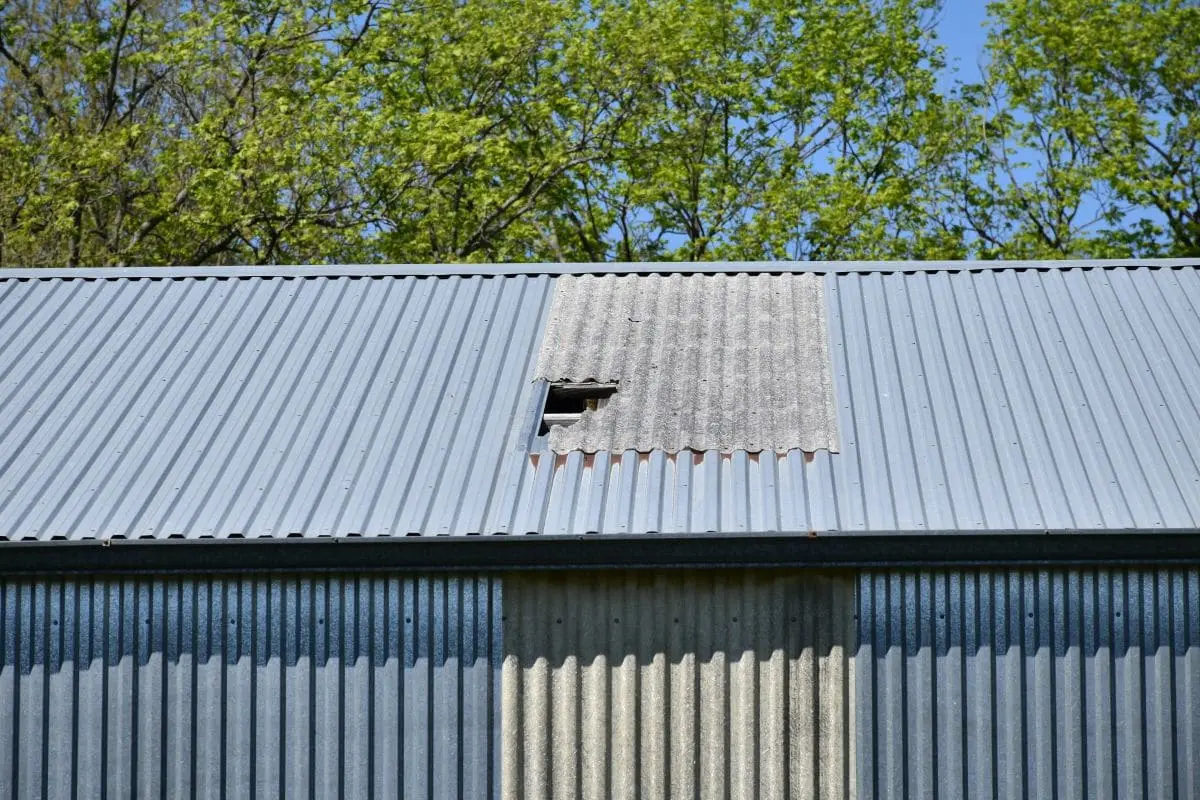
Catching the warning signs of a failing metal roof early gives homeowners more control over timing, budget, and contractor selection instead of scrambling after an emergency. Understanding what to look for protects both your home and your wallet.
- Avoiding emergency costs: Planned replacements are almost always less expensive than emergency repairs after a major leak or storm event.
- Protecting the structure: A failing roof can allow moisture into the attic and framing, leading to far more expensive repairs over time.
- Maintaining home value: An aging or visibly worn roof can hurt curb appeal and resale value when it comes time to sell.
- Improving energy efficiency: Older metal roofing with degraded coatings can lose some of its reflective and insulating properties.
- Peace of mind: Knowing your roof is in good condition removes the uncertainty that comes with unexplained noises, stains, or drafts.
Homeowners in Somers and surrounding areas often deal with heavy snow loads and strong seasonal winds, both of which accelerate wear on an aging metal roof and make timely replacement decisions especially important.
7 Signs Your Home May Need a Metal Roof Replacement
Not every issue with a metal roof requires full replacement, but certain signs indicate the roof has reached the end of its useful life. Here is what to watch for.
1. Widespread Rust or Corrosion
A small patch of surface rust can often be treated, but widespread rust across multiple panels usually signals that the protective coating has broken down. Once corrosion spreads, patch repairs become less effective.
- Rust near seams and fasteners often spreads faster than rust on flat panel sections
- Coating failure typically precedes visible rust by several seasons
- Widespread corrosion can compromise the structural integrity of individual panels
2. Frequent or Recurring Leaks
A metal roof that develops leaks in multiple locations, or the same leak that keeps returning after repairs, is often a sign that the underlying materials have deteriorated beyond simple fixes. Recurring leaks point to a systemic issue rather than an isolated one.
- Leaks near valleys or seams often indicate widespread seam failure
- Leaks that return shortly after repair suggest the surrounding material is also compromised
- Multiple active leak points at once often make replacement more cost effective than ongoing repairs
3. Loose, Warped, or Missing Metal Panels
Metal panels that have come loose, warped, or gone missing entirely are a clear sign of structural or fastening failure. This is especially common after severe wind events or years of thermal expansion and contraction.
- Warped panels no longer seal properly at the seams
- Loose fasteners allow panels to shift during wind events
- Missing panels leave the roof deck exposed to the elements
4. Fading, Chalking, or Peeling Coatings
The protective finish on a metal roof is designed to resist UV exposure, moisture, and general wear, but it does not last forever. Once the coating begins to fail, the underlying metal becomes vulnerable to faster deterioration.
- Chalking, a powdery residue on the surface, indicates the coating is breaking down
- Peeling or flaking finish exposes bare metal to moisture
- Significant fading can also reduce the roof’s reflective and energy saving properties
5. Increased Energy Bills
A metal roof with a failing coating or compromised insulation underneath can lose much of its energy efficiency. If heating or cooling costs have crept up without an obvious explanation, the roof may be part of the problem.
- Compare energy bills across similar months in previous years for unexplained increases
- Compromised insulation often accompanies visible roof wear
- An inspection can confirm whether the roof is contributing to reduced efficiency
6. Roof Age Approaching or Exceeding Expected Lifespan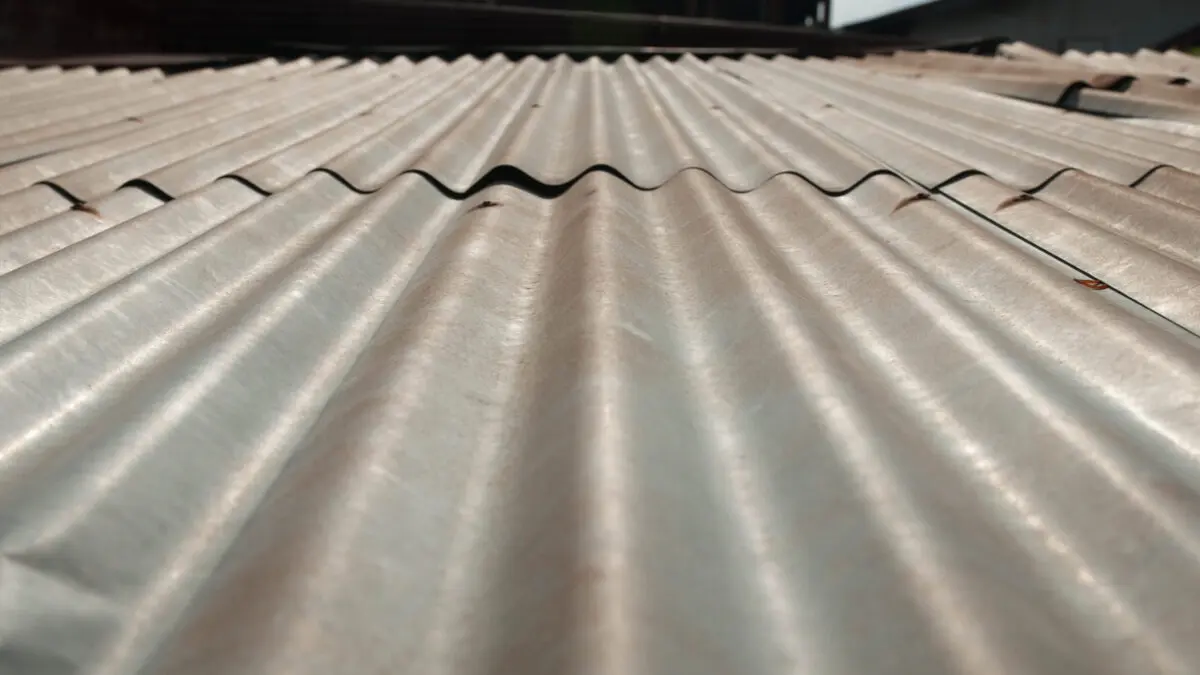
Most metal roofs last 40 to 70 years depending on material and maintenance, but factors like harsh climate exposure can shorten that timeline. If your roof is approaching or has surpassed its expected lifespan, it is worth having it evaluated even without obvious damage.
- Steel roofs typically show more wear by 40 to 50 years
- Aluminum and higher end coatings may extend performance closer to the 60 to 70 year range
- An aging roof without recent inspection carries more uncertainty than a documented maintenance history
7. Structural Sagging or Deck Damage
Sagging areas on the roofline or soft spots noticeable from the attic often indicate that moisture has compromised the roof deck underneath the metal panels. This is one of the more serious signs and typically points toward replacement rather than repair, particularly for homes in Somers and surrounding areas where heavy snow load adds extra stress to an already weakened structure.
- Sagging near valleys often indicates prolonged water intrusion
- Soft or spongy roof decking suggests rot has already set in
- Structural issues should be addressed by a professional before further damage occurs
Extending the Life of Your Metal Roof Before Replacement
Not every aging roof needs immediate replacement. A few proactive steps can help homeowners get more useful life out of their existing roof while planning ahead for eventual replacement.
- Schedule annual inspections: Catching small issues early can delay the need for full replacement by several years.
- Address coating failure promptly: Recoating a roof before corrosion sets in is far less expensive than replacing damaged panels later.
- Keep drainage clear: Clogged gutters and downspouts can cause water to back up under panels and accelerate wear.
- Repair minor damage quickly: Small dents, loose fasteners, or minor leaks are much easier to address before they spread.
Homeowners in Somers and surrounding areas who stay consistent with these habits often extend the useful life of their roof by several years compared to those who defer maintenance until problems become severe.
Timing these efforts around the seasons makes a noticeable difference as well. Scheduling inspections and minor repairs in the spring, after heavy snow has melted and before summer storms arrive, gives homeowners a natural window to catch developing issues before they turn into the kind of widespread damage that forces an unplanned replacement.
Metal Roof Installation Cost and Panel Options
Whether you are replacing a failing roof or planning ahead for a future project, understanding panel styles, fastening systems, and installation cost helps you compare quotes and make an informed choice. Not all metal roofing is built the same way, and these differences directly affect both performance and price.
Corrugated Metal Roofing vs Metal Shingles
Corrugated metal roofing is one of the most affordable and widely used panel styles, recognized by its wavy ridge pattern and straightforward installation. Metal shingles, by contrast, are designed to mimic the look of traditional shingles or shakes while offering the durability of metal underneath.
- Corrugated metal roofing tends to cost less than standing seam or shingle style metal panels
- Metal shingles offer a more traditional appearance for homeowners who want the look of asphalt or wood without the maintenance
- Both options perform well in snow, though panel overlap and fastening details affect long term performance
Concealed Fasteners vs Exposed Fasteners
The fastening system used during metal roof installation has a major impact on how long the roof performs before needing attention. Concealed fasteners are hidden beneath the panel seams, which protects them from direct weather exposure and reduces the risk of leaks developing at fastener points.
- Concealed fastener systems generally last longer than exposed fastener systems
- Exposed fasteners are more affordable upfront but require periodic tightening and gasket replacement
- Homes in colder climates benefit from concealed fastener systems given the repeated freeze thaw stress on exposed hardware
Metal Roof Cost and Installation Cost Factors
Metal roof cost varies significantly based on material, panel style, and panel gauge, which refers to the thickness of the metal used. A lower gauge number indicates thicker, more durable metal, which typically costs more but holds up better against hail, wind, and heavy snow load.
- Panel gauge is one of the most overlooked factors that affects both price and long term durability
- Installation cost also depends on roof complexity, including the number of valleys, penetrations, and the overall pitch
- Requesting quotes that specify panel gauge and fastener type makes it easier to compare bids accurately
Repair Versus Replacement: Making the Right Call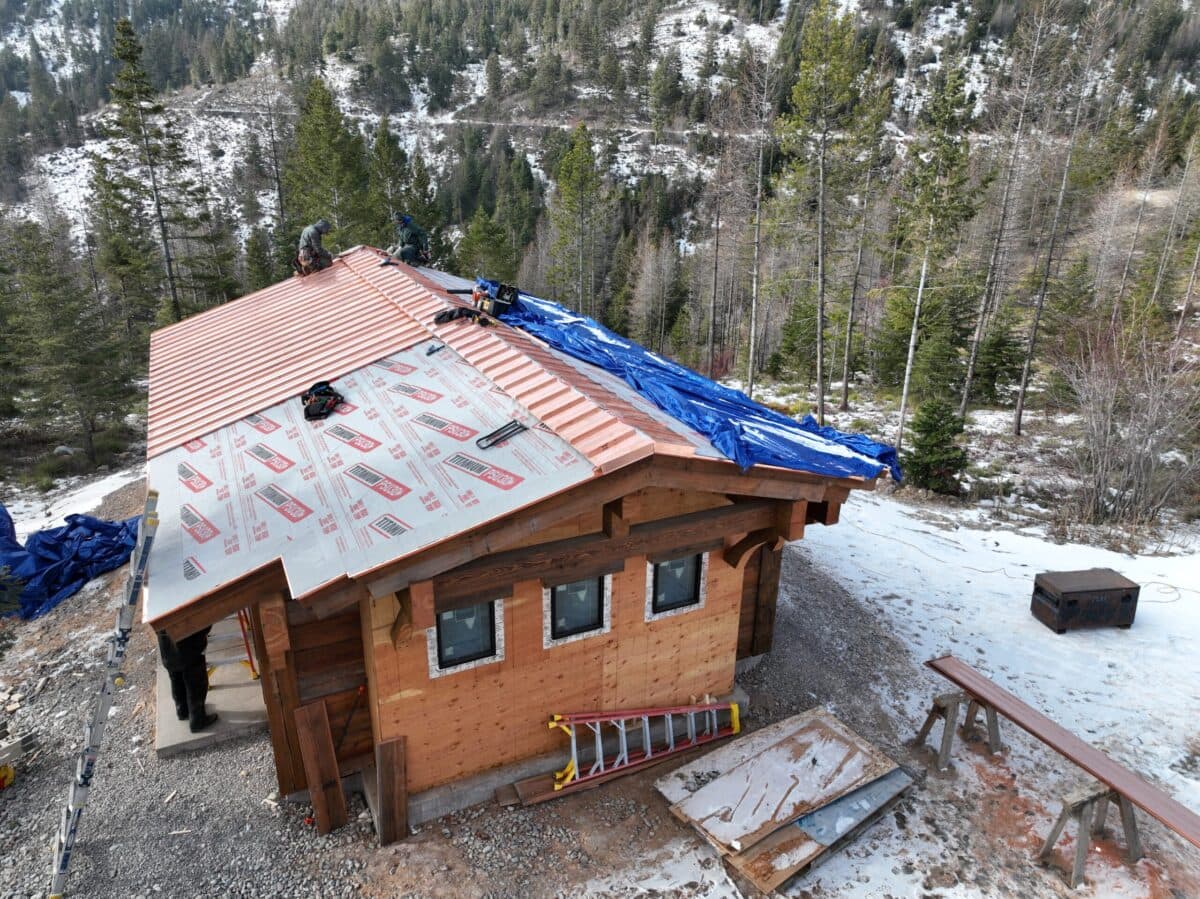
Deciding between repair and full replacement depends on the extent of the damage, the roof’s age, and the overall cost comparison. The table below outlines general guidelines to help homeowners think through the decision.
| Situation | Repair Likely Sufficient | Replacement Likely Needed |
| Isolated rust spot | Yes | No |
| Widespread corrosion | No | Yes |
| Single leak from a known source | Yes | No |
| Recurring leaks in multiple areas | No | Yes |
| Roof under 20 years old | Yes | No |
| Roof approaching or past expected lifespan | Sometimes | Yes |
- Cost over time: Frequent repairs on an aging roof can eventually cost more than a single, well planned replacement.
- Contractor input: A professional assessment helps determine whether the roof’s structure and remaining panels can support targeted repairs.
- Timing: Replacing a roof before a failure occurs allows for better scheduling and often better material availability.
- Long term plans: Homeowners planning to stay in their home for many years often benefit more from replacement than from repeated repairs.
Homeowners near Somers and surrounding areas facing harsh winters each year should weigh how much longer a repair is likely to hold before committing to another round of patchwork fixes.
It also helps to think about the bigger picture rather than tackling each issue in isolation. A roof with several smaller problems scattered across different sections is often a better candidate for full replacement than a series of one off repairs, even if each individual issue seems manageable on its own. Addressing the roof as a whole system tends to produce a more reliable, longer lasting result than patching symptoms one at a time.
Planning Ahead for a Roof That Lasts
Recognizing the signs of an aging metal roof early gives homeowners the ability to plan a replacement on their own terms rather than reacting to an emergency. Whether your roof shows one or several of the signs above, understanding your options helps you make a confident, informed decision.
If you are noticing any of these warning signs or simply want an honest assessment of your roof’s condition, our team is ready to help. Montana Roofing has guided homeowners throughout the region through inspections, repairs, and full replacements built to handle Montana winters. Reach out and contact us today to schedule an evaluation and get a clear plan for your home’s roofing needs.