
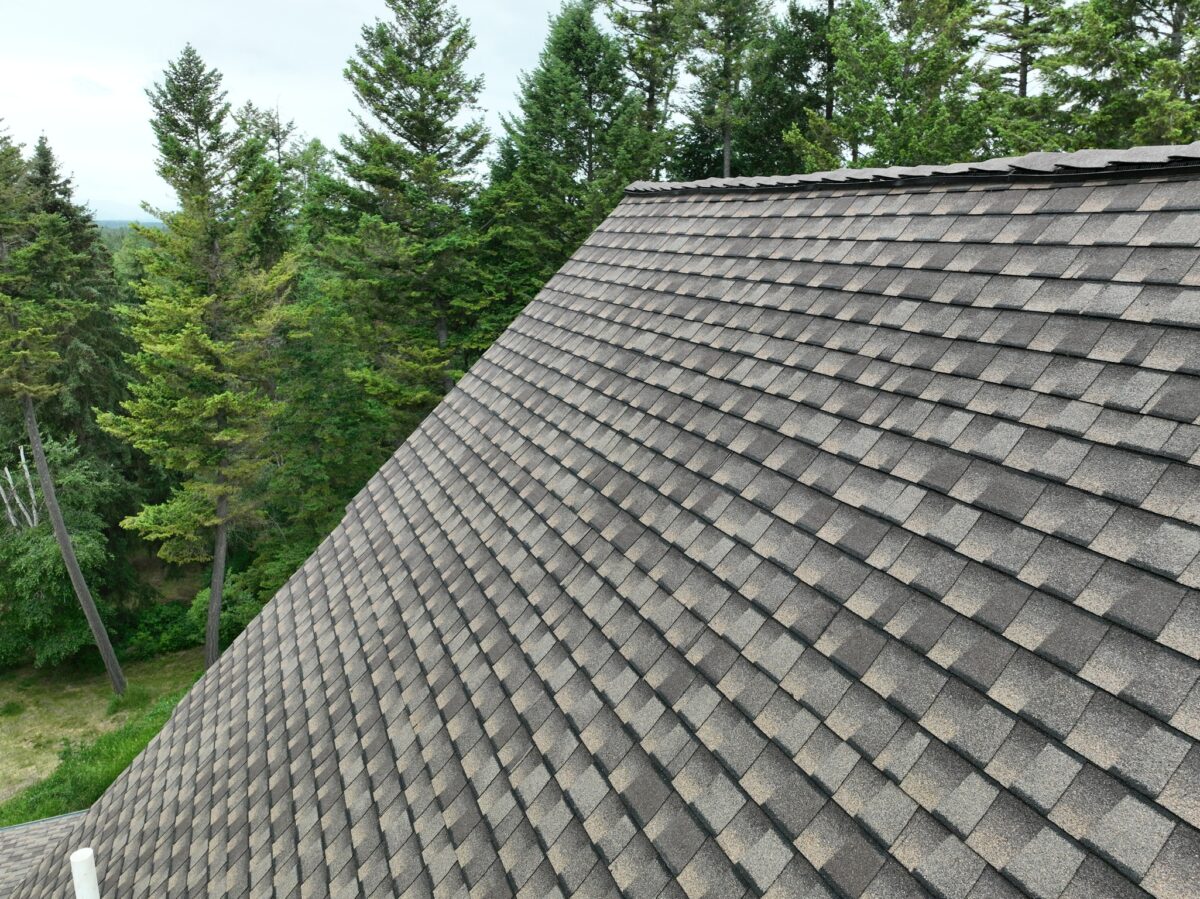
Choosing a roof is one of the biggest investments a homeowner makes in their property, and material choice plays the biggest role in how long that investment holds up. Understanding what makes the longest lasting roof helps homeowners weigh upfront cost against decades of future performance instead of focusing on price alone. Many homeowners begin this comparison by exploring options through a roofing service built around materials suited to Montana’s climate, which helps clarify which materials actually perform well locally. This guide breaks down the roofing materials known for the longest service life.
In this guide, you will learn:
- Why lifespan should carry more weight than upfront cost alone
- Six roofing materials known for the longest service life
- Factors that influence how long any roofing material actually lasts
- How to compare long lasting materials against more common alternatives
Why Roof Lifespan Deserves More Attention Than Price Alone
Homeowners often focus on the sticker price of a new roof, but the total cost of ownership over several decades tells a more complete story. A longer lasting roof can end up being the more economical choice even with a higher upfront cost.
- Fewer replacement cycles: A roof that lasts 50 years instead of 20 avoids two or three future replacement projects.
- Lower lifetime cost: Spreading a higher upfront cost over a much longer lifespan often results in lower average annual cost.
- Reduced disruption: Fewer replacements mean less disruption to daily life and less risk of surprise repairs.
- Stronger resale appeal: A durable, long lasting roof often stands out to buyers who want to avoid a near term replacement.
- Better storm resilience: Many of the longest lasting materials also perform better against wind, hail, and heavy snow.
Homeowners in Polson and surrounding areas dealing with harsh winters and heavy snow load have extra reason to prioritize durability, since certain materials hold up noticeably better under repeated freeze thaw stress.
5 Roofing Materials Known for the Longest Lifespan
Not all roofing materials are created equal when it comes to longevity. Here are six of the most durable options available, along with what makes each one stand out.
1. Slate
Slate is widely regarded as one of the longest lasting roofing materials available, with some installations remaining functional for over a century. Its natural stone composition makes it highly resistant to fire, rot, and insect damage.
- Typical lifespan often exceeds 75 to 100 years with proper installation
- Extremely resistant to fire and pests
- Heavy weight requires a roof structure specifically designed to support it
2. Clay Tile
Clay tile has been used for centuries and remains one of the most durable roofing materials in warm and moderate climates. While less common in heavy snow regions, high quality installations can still perform well for generations.
- Lifespan commonly ranges from 50 to 100 years
- Naturally resistant to fire and insect damage
- Can be prone to cracking under heavy impact or extreme freeze thaw cycles without proper underlayment
3. Concrete Tile
Concrete tile offers similar durability benefits to clay at a somewhat lower cost, making it a popular alternative for homeowners seeking a long lasting material without the premium price tag of natural clay or slate.
- Typical lifespan ranges from 40 to 75 years
- More affordable than clay or slate while offering comparable durability
- Heavier than asphalt, so structural support should be confirmed before installation
4. Standing Seam Metal
Standing seam metal roofing is one of the most popular long lasting options for homeowners in colder climates, thanks to its ability to shed snow efficiently and resist corrosion when properly coated.
- Typical lifespan ranges from 40 to 70 years depending on material and coating quality
- Sheds snow and ice more effectively than many other roofing types
- Concealed fasteners reduce the risk of leaks compared to exposed fastener metal systems
5. Copper
Copper roofing is among the longest lasting materials available, often outperforming even slate in ideal conditions. Its natural patina develops over time, which actually helps protect the metal from further corrosion.
- Lifespan frequently exceeds 50 to 100 years or more
- Naturally resistant to corrosion once the protective patina forms
- Higher material and installation cost compared to most other options
Factors That Influence How Long Any Roof Actually Lasts
Choosing a durable material is only part of the equation. Several other factors determine whether a roof reaches its full potential lifespan.
- Installation quality: Even the most durable material will underperform if installed incorrectly, so experienced installers matter as much as material choice.
- Climate exposure: Homes near Polson and surrounding areas face heavy snow, freeze thaw cycles, and seasonal temperature swings that place extra demand on any roofing material.
- Ventilation and insulation: Poor attic ventilation can shorten the lifespan of even the most durable roofing material by trapping heat and moisture.
- Ongoing maintenance: Regular inspections and prompt repairs help any roofing material reach the higher end of its expected lifespan.
- Roof pitch and design: Steeper pitches generally shed snow and water more effectively, reducing long term wear on the roofing surface.
Homeowners in Polson and surrounding areas who prioritize quality installation and consistent maintenance often see their roofs outperform the average lifespan for their chosen material.
Working with a contractor familiar with the local climate can make a meaningful difference here as well. An installer who understands how heavy snow load and repeated freeze thaw cycles affect a specific material is better positioned to recommend the right underlayment, fastening approach, and ventilation setup for the home rather than applying a generic installation method.
Comparing the Longest Lasting Materials to Common Alternatives
Understanding how these long lasting materials compare to more familiar options helps put the decision into perspective.
| Material | Typical Lifespan | Relative Cost | Maintenance Level |
| Asphalt shingles | 15 to 30 years | Low | Moderate |
| Standing seam metal | 40 to 70 years | Moderate to High | Low |
| Concrete tile | 40 to 75 years | Moderate | Moderate |
| Clay tile | 50 to 100 years | High | Moderate |
| Slate | 75 to 100+ years | High | Low |
| Copper | 50 to 100+ years | Very High | Low |
- Upfront investment versus lifetime value: The longest lasting materials often cost more initially but can outlast two or three cycles of asphalt shingle replacement.
- Structural considerations: Heavier materials like slate, clay, and concrete require a roof structure capable of supporting the added weight.
- Climate suitability: Not every long lasting material performs equally well in heavy snow regions, which makes local expertise valuable when choosing a material.
- Aesthetic goals: Many long lasting materials also offer distinctive curb appeal that homeowners value beyond just durability.
Choosing the right material ultimately comes down to balancing upfront budget, structural capacity, and how long you plan to stay in the home. Homeowners planning to stay long term often find that investing in one of these longer lasting materials pays off well beyond the initial cost difference.
Local climate should also weigh heavily in the decision. Homeowners in Polson and surrounding areas contending with heavy snow accumulation and repeated freeze thaw cycles often see a bigger performance gap between long lasting materials and shorter lived alternatives than homeowners in milder climates. A material rated for 50 years in a moderate region may not reach that same milestone under sustained mountain winter stress without proper installation and maintenance.
Investing in a Roof Built to Last
Choosing the longest lasting roof for your home means weighing durability, climate performance, and structural considerations rather than focusing on upfront price alone. Whether you are drawn to the timeless appeal of slate and copper or the practicality of standing seam metal, understanding your options helps you make a confident, long term decision.
If you want help comparing durable roofing materials for your specific home and climate, our team is ready to walk you through the options in detail. Montana Roofing has helped homeowners throughout the region choose roofing systems built to withstand harsh winters and last for decades. Reach out and contact us today to talk through which material fits your home, your budget, and your long term plans.