
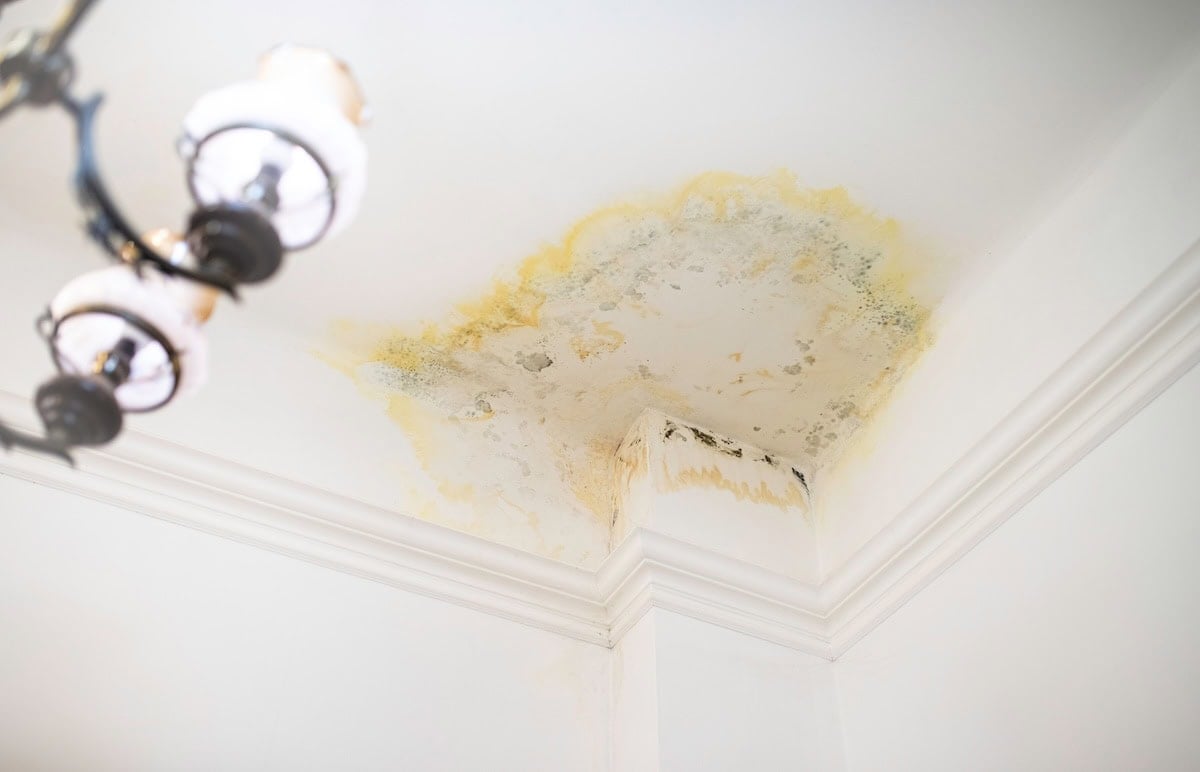
A roof leak rarely announces itself at a convenient time, and finding the source is often harder than it looks. Water travels along rafters, underlayment, and decking before it shows up as a stain on your ceiling, which means the entry point and the visible damage are frequently in completely different places. Understanding the most common causes of leaking roof repair situations helps you communicate clearly with your contractor, make sense of your inspection report, and take the right steps before the problem compounds. If you are dealing with a leak right now, getting a professional inspection scheduled quickly is the most important thing you can do.
Here’s what we’ll cover:
- Flashing failures: Why the metal at your roof’s transitions is the most common leak source
- Damaged or missing shingles: What shingle problems look like and what they allow in
- Clogged or damaged gutters: How drainage problems turn into roof damage
- Ice dams: Montana’s winter-specific leak driver and how it works
- Improper installation: How poor workmanship creates leaks years later
- Pipe boots and vent seals: Small penetrations with outsized leak potential
- Chimney and skylight issues: Why these features require ongoing attention
- Age and general wear: When a roof simply reaches the end of its useful life
Why Roof Leaks Demand Immediate Action
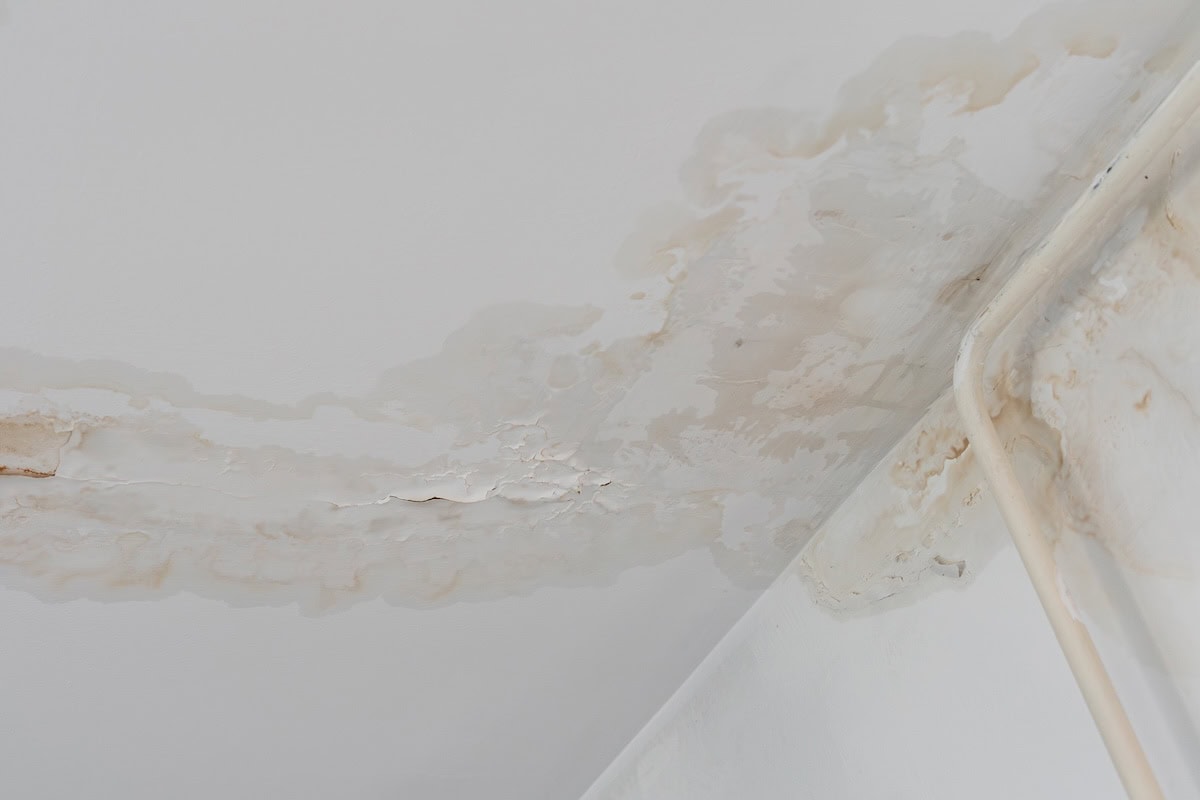
Water entering your home through a compromised roof does not wait for a convenient repair window. Once moisture reaches your decking, insulation, or interior framing, it creates conditions for mold growth within 24 to 48 hours. The structural damage that follows from prolonged moisture exposure can cost many times more to repair than the original leak would have. According to the Insurance Information Institute, water damage and freezing is the second most common cause of homeowner insurance claims in the United States, with an average claim payout of nearly $14,000 — and roof leaks are a significant contributor to that total.
In Montana, the urgency is compounded by the climate. Helena and surrounding areas experience freeze-thaw cycles, heavy snowfall, and spring runoff conditions that push moisture into any vulnerability a roof presents. A small leak in fall that seems manageable becomes a far more serious problem after a Montana winter passes over it.
8 Possible Causes of a Leaking Roof
Working through these eight causes gives you a complete picture of where leaks originate and why. Most leaking roofs have one primary source, but a thorough professional inspection often uncovers secondary vulnerabilities at the same time.
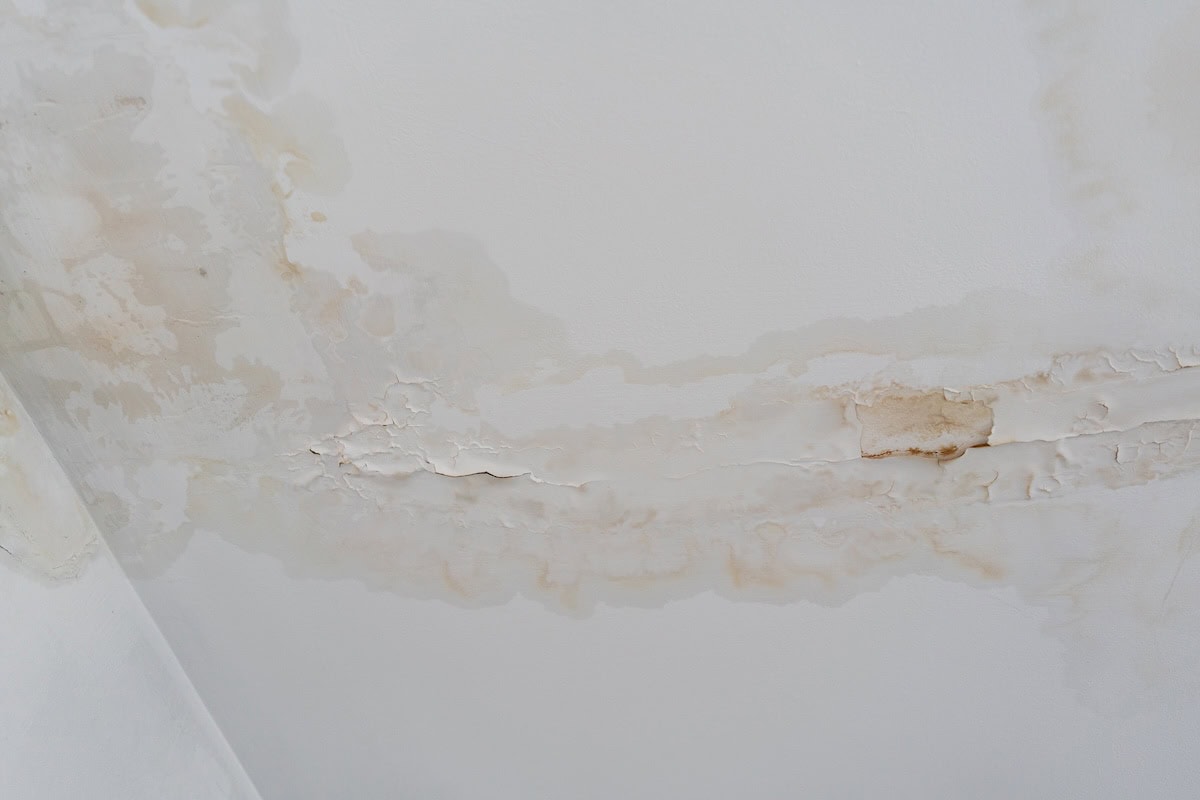
1. Flashing Failures
Flashing is the thin metal material installed at every roof transition, penetration, and edge where two surfaces meet. It surrounds chimneys, skylights, vent pipes, dormers, and roof-to-wall connections. Flashing failures are the single most common source of active roof leaks, and they are frequently subtle enough to go undetected in a visual scan of the roof surface from the ground.
- Corrosion and cracking: Older metal flashing deteriorates from years of weather exposure; small cracks and rust spots allow water to pass behind the flashing on every rain event
- Sealant failure: Many flashing joints rely on caulk or roofing cement that eventually dries out and separates through temperature cycling, creating open gaps at critical transition points
- Improper step flashing: Flashing along sidewalls and dormers must overlap in steps with each shingle course; incorrectly installed step flashing is a primary source of hidden leaks in otherwise intact roofing
2. Damaged or Missing Shingles
Shingles are your roof’s first line of defense. When they are missing, cracked, curling, or significantly granule-depleted, the underlayment and decking beneath them are exposed to direct weather contact. Wind is the most common cause of missing shingles in Montana, but hail impact, aging, and installation errors all contribute to shingle failure before the end of a material’s rated lifespan.
- Missing shingles: Open gaps in shingle coverage expose the underlayment directly; even a single missing shingle creates an immediate leak risk during heavy rain or wind-driven moisture events
- Cracked or split shingles: Stress fractures along the nail line from wind or age allow water to seep through without fully removing the shingle
- Granule loss: Heavily depleted shingles lose their UV protection and moisture resistance; the exposed asphalt layer below degrades rapidly and eventually allows moisture penetration
3. Clogged or Damaged Gutters
Gutters are not technically part of the roof structure, but they play a critical role in protecting it. When gutters clog with leaves, pine needles, or ice, water backs up along the roof edge and pools against the fascia and the bottom course of shingles. Over time this creates rot, mold, and structural deterioration that reaches well beyond what the clog alone would suggest.
- Water backup: Clogged gutters allow water to pool at the roof edge, saturating the fascia board and working beneath the starter course of shingles during sustained rain events
- Ice dam acceleration: In Montana winters, clogged gutters contribute directly to ice dam formation by preventing proper drainage of melt water at the eave
- Gutter separation: Gutters that have pulled away from the fascia create channels that direct water behind the gutter and down the exterior wall rather than away from the home
4. Ice Dams
Ice dams are a Montana-specific leak driver that many homeowners outside cold climates never encounter. They form when heat escaping from the living space warms the upper sections of the roof, melting snow that then flows down toward the colder eaves and refreezes. The resulting ice buildup traps melt water behind it, creating a reservoir that forces water under shingle edges and into the roof structure.
- Attic heat escape: The root cause of most ice dams is inadequate attic insulation and ventilation allowing conditioned heat to warm the roof deck unevenly
- Eave vulnerability: Shingles at the eave are designed to shed water flowing downward, not to resist water pooling and backing up from below; ice dams reverse that flow direction
- Prevention focus: Addressing attic ventilation and insulation is the long-term solution; improving air circulation through ridge and soffit vents reduces the temperature differential that allows ice dams to form
5. Improper Installation
Poor installation is one of the most consequential causes of roof leaks and one of the hardest for homeowners to detect without a trained eye. Installation errors create vulnerabilities that may not produce visible leaks for months or even years, making the connection to the original workmanship difficult to establish after the fact.
- Fastener errors: Nails or screws placed outside the manufacturer’s specified zone, or driven at an incorrect angle, reduce shingle wind resistance and create micro-gaps that allow water infiltration over time
- Underlayment shortcuts: Improper underlayment laps or skipped sections leave the decking without a secondary moisture barrier if the shingle layer is ever compromised
- Inadequate sealant at penetrations: Pipe boots, vent collars, and flashing joints not properly sealed at installation become active leak points as the roof goes through seasonal movement
6. Pipe Boots and Vent Seals
Every pipe, vent, or exhaust stack penetrating the roof surface is a potential entry point for water. The rubber boots and collars used to seal these penetrations are among the shortest-lived components of a roofing system. While shingles are rated for 25 to 30 years, many rubber pipe boots begin to crack and deteriorate within 10 to 15 years, well before the surrounding shingles show significant wear.
- Cracked rubber boots: UV exposure causes rubber boot collars to harden, crack, and separate from the pipe they seal, creating an open gap at the penetration point
- Improper sizing: Boots installed on the wrong pipe diameter do not create a tight seal and may allow water to work down between the boot and pipe during heavy rain
- Overlooked in inspection: Pipe boots are frequently missed in DIY roof inspections but are a routine check point for professional inspectors, making professional assessment valuable after any roof reaches the 10-year mark
7. Chimney and Skylight Issues
Chimneys and skylights are among the most complex roof penetrations, involving multiple flashing components, sealants, and transitions that each require proper installation and ongoing maintenance. They are disproportionately represented in roof leak diagnoses relative to the percentage of roof surface they occupy.
- Chimney crown cracking: The mortar crown at the top of a masonry chimney absorbs water and eventually cracks through freeze-thaw cycling, allowing moisture to enter the chimney structure and travel down to the roof deck
- Counter flashing separation: Metal counter flashing embedded in chimney mortar joints can pull free as mortar deteriorates with age, breaking the seal between the chimney and the roofing system
- Skylight frame leaks: Skylights most commonly leak at the frame edges rather than through the glass; improper installation, deteriorated sealant, or condensation pooling at the sill are the typical culprits
8. Age and General Wear
No roofing material lasts forever, and for asphalt shingles, the most common residential roofing product in Montana, the rated lifespan of 20 to 30 years assumes proper installation, adequate ventilation, and regular maintenance. Roofs approaching or exceeding their rated lifespan show a pattern of diffuse wear rather than a single point of failure, and the repair-versus-replace calculation shifts significantly once a roof reaches this stage.
- Granule loss across the field: Widespread granule loss across all slopes rather than isolated sections indicates broad aging of the shingle surface rather than localized storm or impact damage
- Curling and cupping: Shingles that curl upward at the edges or cup in the center have lost their flexibility and adhesion, making them vulnerable to wind damage and no longer providing a continuous weather seal
- Multiple simultaneous leak points: When a professional inspection identifies several separate active leak sources rather than one, it typically signals that the roof as a system has reached the end of its functional lifespan
What to Do When You Discover a Roof Leak
Discovering an active leak triggers a clear sequence of actions that protect both your home and your position with your insurance company.
| Step | Action | Why It Matters |
| 1 | Contain interior water damage | Prevents spread to flooring, walls, and electrical |
| 2 | Document everything with photos | Establishes timeline and condition for insurance |
| 3 | Do not make permanent repairs yet | Preserves damage evidence for adjuster inspection |
| 4 | Apply temporary protection if needed | Limits further damage while awaiting professional |
| 5 | Call a roofing professional | Identifies the actual source, not just the symptom |
| 6 | Contact your insurance company | Initiates the claim process with documentation ready |
Common Questions About Leaking Roof Repair
These are the questions we hear most often from Montana homeowners dealing with an active or suspected roof leak.
How do I find where my roof is leaking?
Start in the attic with a flashlight. Look for water stains on rafters, wet insulation, or daylight visible through the roof deck. The leak source is often uphill from where water stains appear inside, since water travels along the roof structure before dripping. If you cannot identify the source from the attic, a professional inspection using systematic water testing or thermal imaging is the most reliable diagnostic method.
Can a roof leak be repaired without replacing the whole roof?
In most cases, yes — if the cause is isolated and the rest of the roof is in good condition. A failed pipe boot, cracked flashing, or a small section of damaged shingles can be repaired without touching the rest of the roof. The decision to repair versus replace depends on the age of the roof, the extent of the damage, and whether the cause is a single point failure or a sign of broader system deterioration.
Will homeowner’s insurance cover my leaking roof repair?
It depends on the cause. Insurance covers sudden, accidental damage from covered events like storms, hail, and wind. It typically does not cover leaks resulting from normal wear and tear, age, or deferred maintenance. Having a professional inspection report that ties the damage to a specific storm event or sudden failure is essential for supporting a successful claim.
How much does leaking roof repair typically cost?
Minor repairs involving a single pipe boot, small flashing section, or a few damaged shingles typically range from a few hundred to around $1,000. More extensive repairs involving multiple leak sources, decking damage, or significant flashing work can run several thousand dollars. If the inspection reveals that the cause is broad aging rather than an isolated failure, a full replacement estimate is worth having alongside the repair estimate for comparison.
Montana Roofing Solutions is proud to serve home and business owners in Helena, MT, and the surrounding communities with prompt leak inspections, reliable roof repairs, and straightforward answers about what your roof actually needs.
Montana Roofing Solutions Finds the Source and Fixes It Right
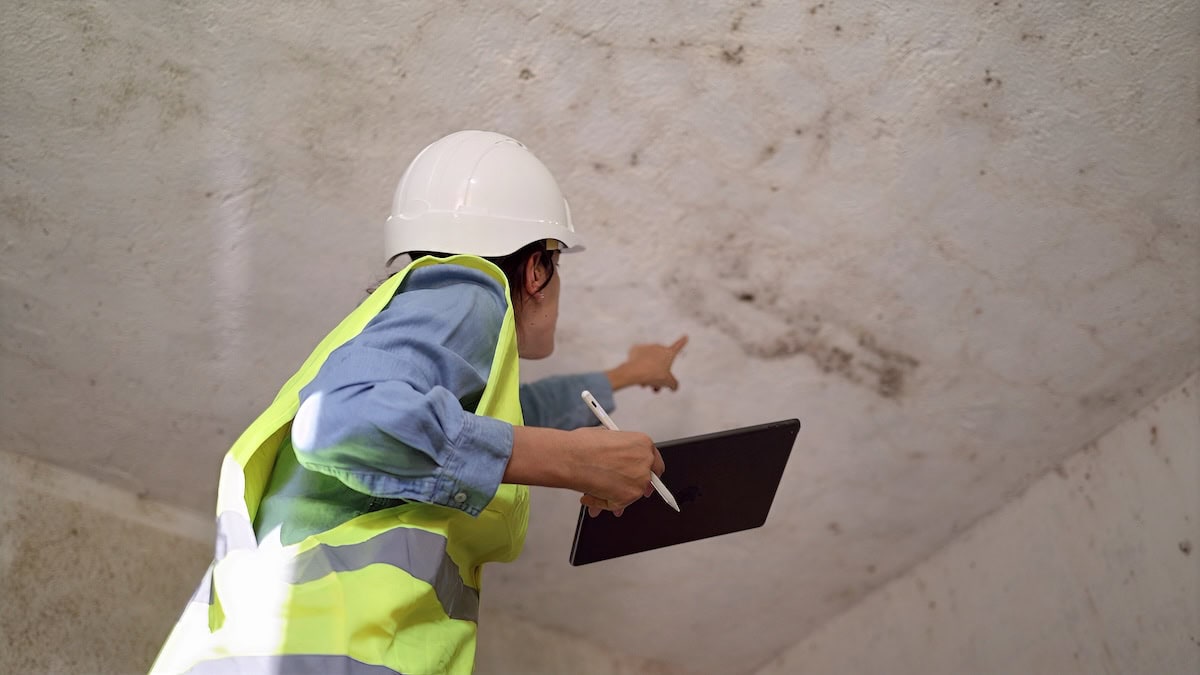
Roof leaks are deceptive, damaging, and expensive when left unaddressed — but they are also fixable when caught early by someone who knows what to look for. At Montana Roofing Solutions, we track leaks to their actual source rather than patching the nearest visible symptom, and we give you a clear picture of what the repair involves before any work begins. When you are ready to stop guessing and get a real answer about your roof, schedule your inspection with us today and let us take it from there.