
Every winter, thick ridges of ice can form along roof edges and force water back under shingles, causing leaks that surface long after the snow has melted. Understanding safe ice dam removal methods helps homeowners avoid both roof damage and the injuries that often come with DIY attempts on a slippery, icy roof. Many homeowners first learn how serious the problem can be through a roofing service built to handle the demands of harsh mountain winters, which often reveals damage that formed before the ice became visible. This guide covers the methods professionals use to remove ice dams safely.
In this guide, you will learn:
- Why ice dams pose a serious risk to roofs and homeowners alike
- Five safe methods professionals use to remove ice dams
- How to prevent ice dams from forming in the first place
- The differences between DIY attempts and professional ice dam removal
Why Safe Ice Dam Removal Matters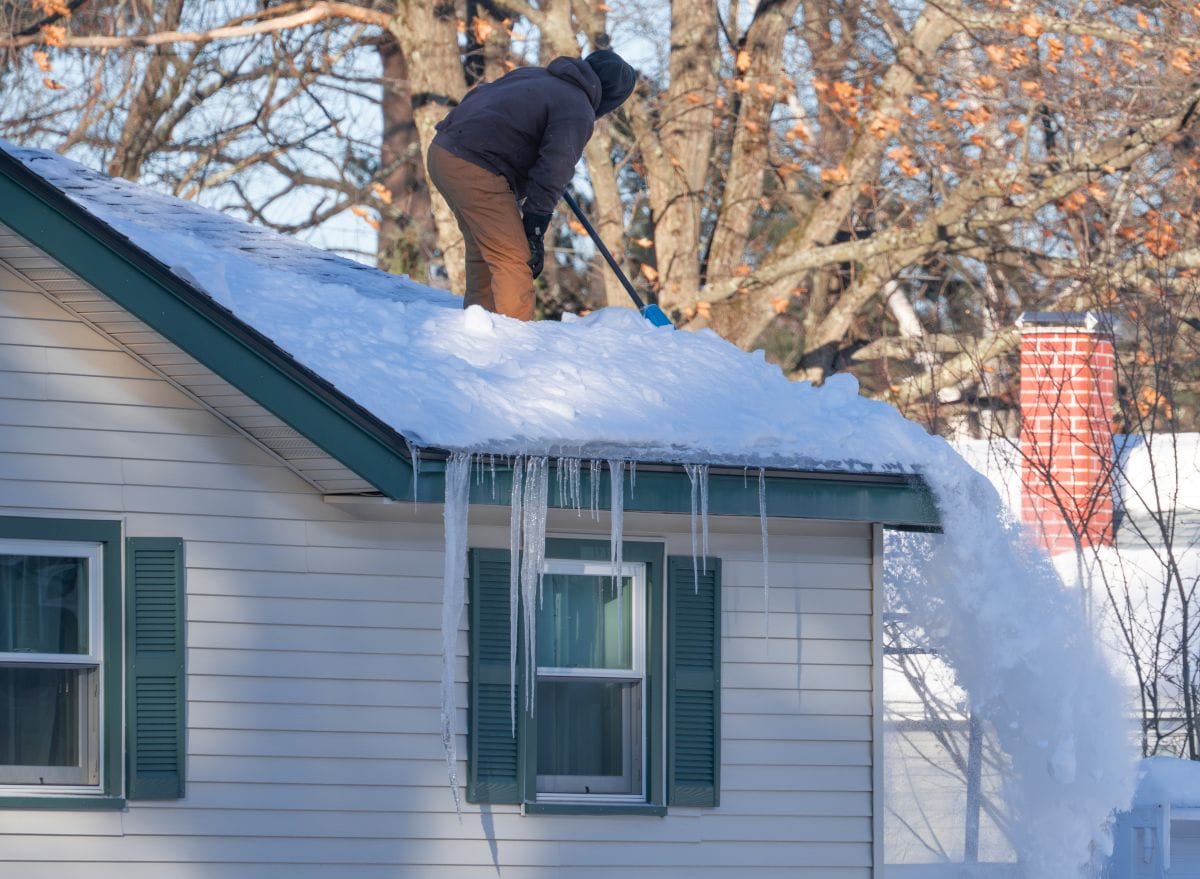
Ice dams are more than a winter nuisance. Left unaddressed, they can cause water to back up under shingles and into the home, leading to damage that is often more extensive than it first appears.
- Preventing water intrusion: Melting snow trapped behind an ice dam can seep under shingles and into the attic or walls.
- Protecting gutters and flashing: The weight and expansion of ice can pull gutters loose and damage flashing around roof edges.
- Reducing structural stress: Large ice dams add significant weight to roof edges, which can strain fascia boards and roof decking.
- Avoiding injury: Attempting removal without the right tools or experience puts homeowners at real risk of falls or injury.
- Preserving interior finishes: Water that makes it past an ice dam can damage ceilings, walls, and insulation before anyone notices.
Homeowners in Lakeside and surrounding areas deal with heavy snowfall and repeated freeze thaw cycles each winter, which creates ideal conditions for ice dams to form along roof edges and valleys.
5 Safe Ice Dam Removal Methods Professionals Use
Removing an ice dam incorrectly can cause more damage than leaving it alone, which is why professionals rely on specific techniques designed to protect the roof while clearing the ice.
1. Steam Removal
Steam is one of the safest and most effective methods for removing ice dams because it melts the ice without the risk of gouging or damaging shingles. Low pressure steam equipment allows professionals to work through the ice gradually and safely.
- Steam melts ice without applying force to the roof surface
- This method reduces the risk of shingle damage compared to mechanical removal
- Professionals often work in sections to avoid sudden runoff that could refreeze
2. Calcium Chloride Application
Calcium chloride is a roof safe ice melt that professionals sometimes use to create channels through an ice dam, allowing trapped water to drain before it causes further damage. Unlike rock salt, it is formulated to avoid harming roofing materials.
- Applied in a sock or stocking to create controlled melting channels
- Reduces water backup while a more thorough removal is scheduled
- Should never be substituted with generic salt products, which can damage shingles and gutters
3. Roof Raking Before Ice Forms
While not a direct ice dam removal method, roof raking snow before it has a chance to melt and refreeze is a preventive step professionals often combine with removal visits. This is a common recommendation for homeowners in Lakeside and surrounding areas who see heavy accumulation early in the season. Reducing snow load lowers the chances of new ice dams forming in the same location.
- Roof rakes remove snow from the ground without climbing onto the roof
- Reducing snow depth limits the meltwater available to form new ice dams
- This step is often most effective when done proactively rather than reactively
4. Manual Ice Chipping With Proper Technique
In some cases, professionals carefully chip away at ice using specialized tools designed to avoid damaging the roofing material underneath. This method requires experience to avoid cracking shingles or puncturing the roof surface.
- Tools are selected specifically to minimize impact on shingles
- Ice is removed in controlled sections rather than large forceful strikes
- This method is typically reserved for situations where steam equipment is not practical
5. Heat Cable Installation for Ongoing Prevention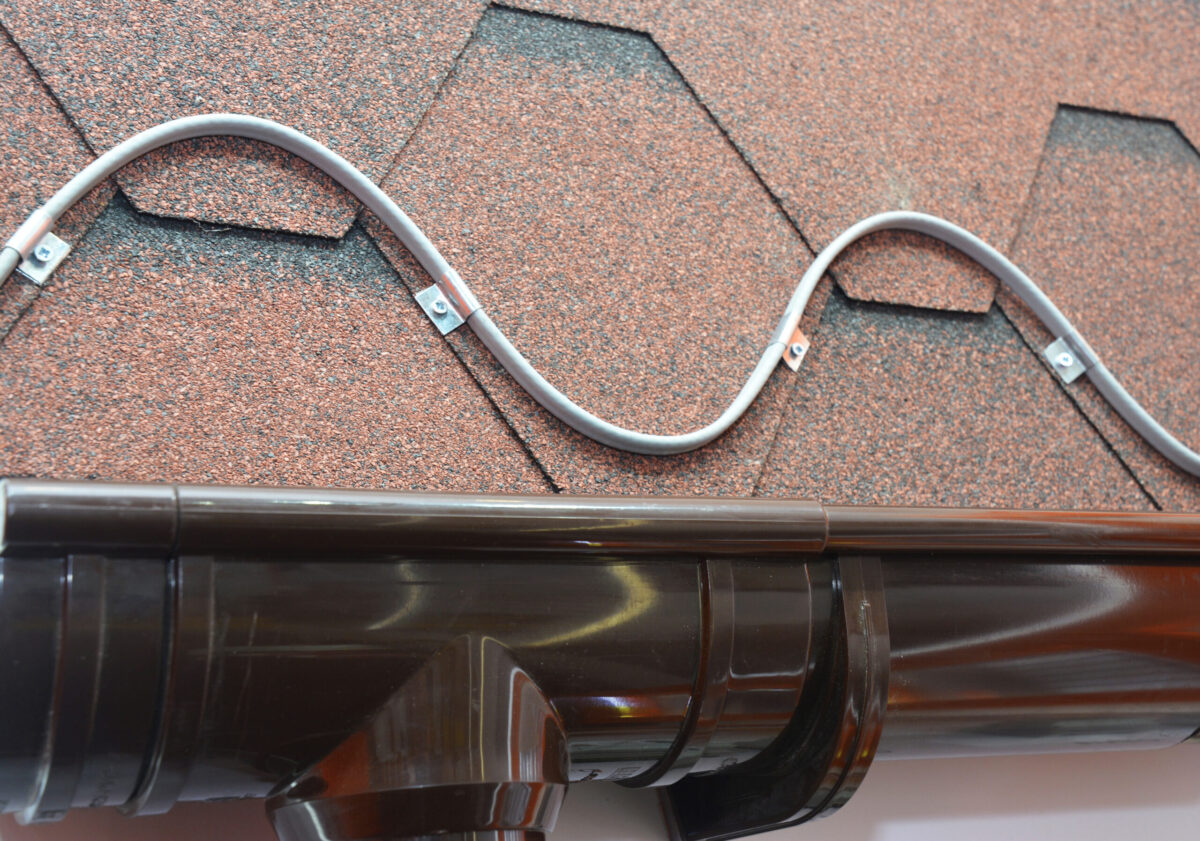
While primarily a prevention method, professionals often install heat cables along roof edges and in gutters during an ice dam service call to reduce the likelihood of future buildup. These cables create a controlled melting path that helps water drain safely off the roof.
- Heat cables are typically installed along eaves and in gutters and downspouts
- They create a channel for water to escape rather than eliminating ice dams entirely
- This method works best when combined with proper attic insulation and ventilation
Preventing Ice Dams Before They Form
While knowing how to safely remove an ice dam is important, preventing them in the first place saves homeowners time, money, and stress each winter.
Improve Attic Insulation
Heat escaping from the living space into the attic is one of the leading causes of ice dam formation. Warm air melts snow on the roof, which then refreezes at the colder eaves and forms a dam.
- Properly insulated attics keep roof surface temperatures more consistent
- Air leaks around light fixtures and vents are common sources of heat loss
- An insulation assessment can identify weak points before winter arrives
Ensure Proper Attic Ventilation
Good ventilation helps keep the entire roof surface at a consistent temperature, reducing the uneven melting and refreezing pattern that leads to ice dams. Ridge and soffit vents work together to maintain steady airflow.
- Blocked soffit vents reduce airflow and contribute to uneven roof temperatures
- Balanced intake and exhaust ventilation performs better than either alone
- Ventilation improvements often pair well with insulation upgrades for the best results
Keep Gutters Clear Throughout Winter
Clogged gutters give ice and water fewer places to drain, which increases the likelihood of dam formation along the roof edge. Clearing debris before winter and monitoring gutters throughout the season helps water move freely.
- Clean gutters thoroughly in the fall before the first hard freeze
- Check downspouts periodically during winter thaws to confirm they remain clear
- Gutter guards can help reduce debris buildup, though they still require occasional checks
Homeowners in Lakeside and surrounding areas who combine these prevention steps with periodic professional inspections tend to deal with far fewer ice dam issues throughout the winter season.
DIY Ice Dam Removal Versus Professional Service
Many homeowners are tempted to handle ice dam removal themselves, but there are important differences in safety, effectiveness, and long term outcomes between DIY attempts and professional service.
| Factor | DIY Attempt | Professional Service |
| Safety | Higher risk of falls on icy roofs | Performed with proper safety equipment |
| Effectiveness | Often incomplete or temporary | Thorough removal with lasting results |
| Risk of roof damage | Higher, especially with improper tools | Lower, using roof safe techniques |
| Time investment | Can take hours with limited results | Typically faster and more effective |
| Long term prevention | Rarely addressed | Often includes prevention recommendations |
- Safety first: Climbing onto an icy roof or using a ladder in freezing conditions carries real risk of injury.
- Right tools matter: Professionals use equipment specifically designed for safe ice removal, which most homeowners do not have on hand.
- Root cause focus: A professional visit often includes identifying the insulation or ventilation issues contributing to the problem.
- Long term savings: Addressing the root cause can prevent recurring ice dams in future winters, reducing the need for repeated removal.
Homeowners near Lakeside and surrounding areas facing repeated ice dam issues each winter often find that a professional assessment focused on prevention saves more money over time than repeated DIY removal attempts.
It is also worth remembering that ice dams rarely appear as an isolated event. If one forms in a particular spot one winter, that same location is likely to develop another dam the following year unless the underlying cause, whether it is inadequate insulation, uneven ventilation, or a design quirk in the roofline, gets addressed directly.
Protecting Your Roof Through the Winter Season
Ice dams are a common but serious winter roofing issue that can lead to significant damage if not addressed safely and promptly. Understanding the methods professionals use, along with the prevention steps available, helps homeowners protect their homes throughout the colder months.
If you are dealing with ice dams this winter or want to take preventive steps before the next storm rolls through, our team is ready to help. Montana Roofing has helped homeowners throughout the region safely remove ice dams and address the underlying causes behind them. Reach out and contact us today to schedule a visit and protect your roof through the winter season.