
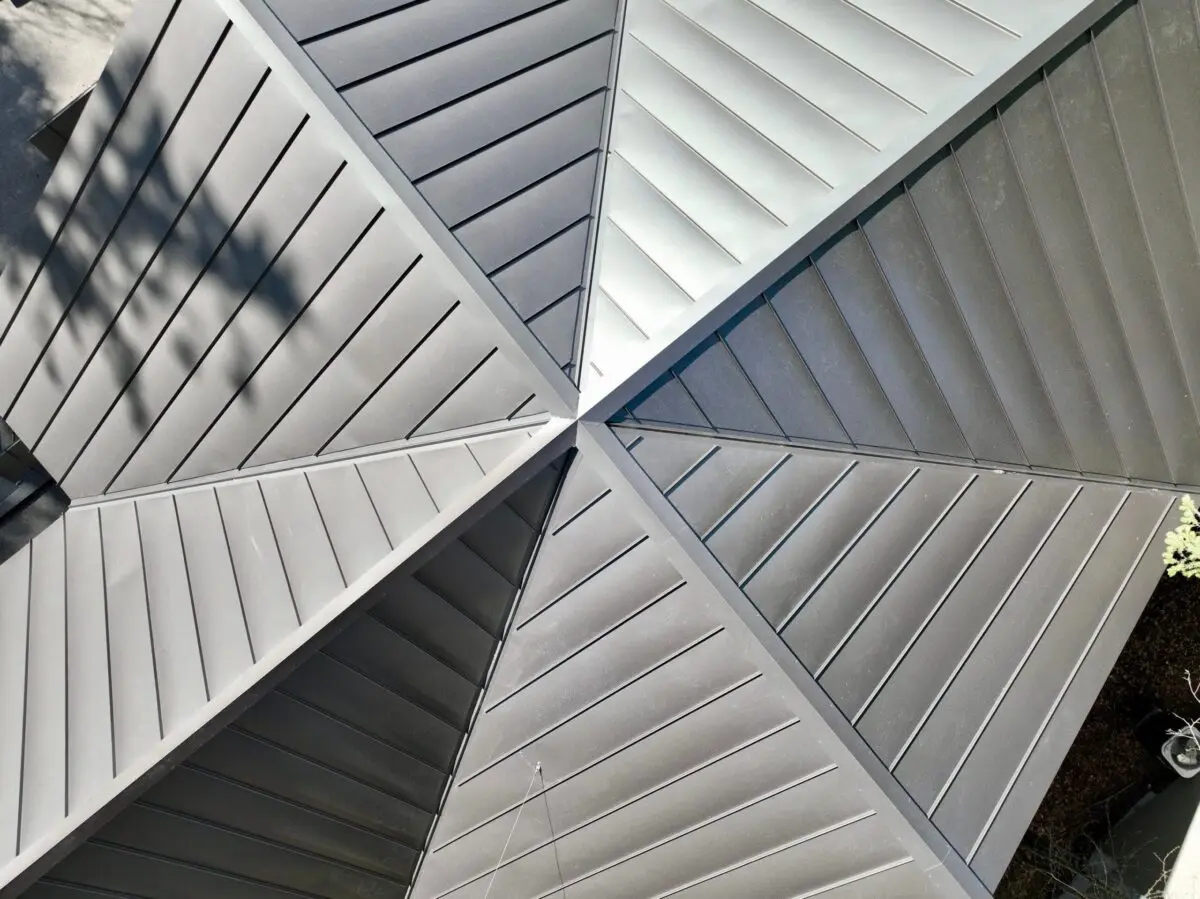
Few home improvements offer the kind of long term payoff that a well installed metal roof provides, but not every metal roof performs the same way over time. Understanding how long do metal roofs last helps homeowners set realistic expectations for typical lifespan and plan ahead for maintenance instead of being surprised by problems years down the road. Through a roofing system built specifically for durability, many homeowners find that the upfront investment pays for itself many times over. This guide walks through the key factors that determine whether a metal roof lasts twenty years or fifty.
In this guide, you will learn:
- The typical lifespan range for different types of metal and roofing materials
- Six major factors that influence how long a metal roof will last
- The truth behind common myths, including whether metal roofs leak or attract lightning
- How metal roofing compares to other roofing materials over time
Why Metal Roof Lifespan Matters for Homeowners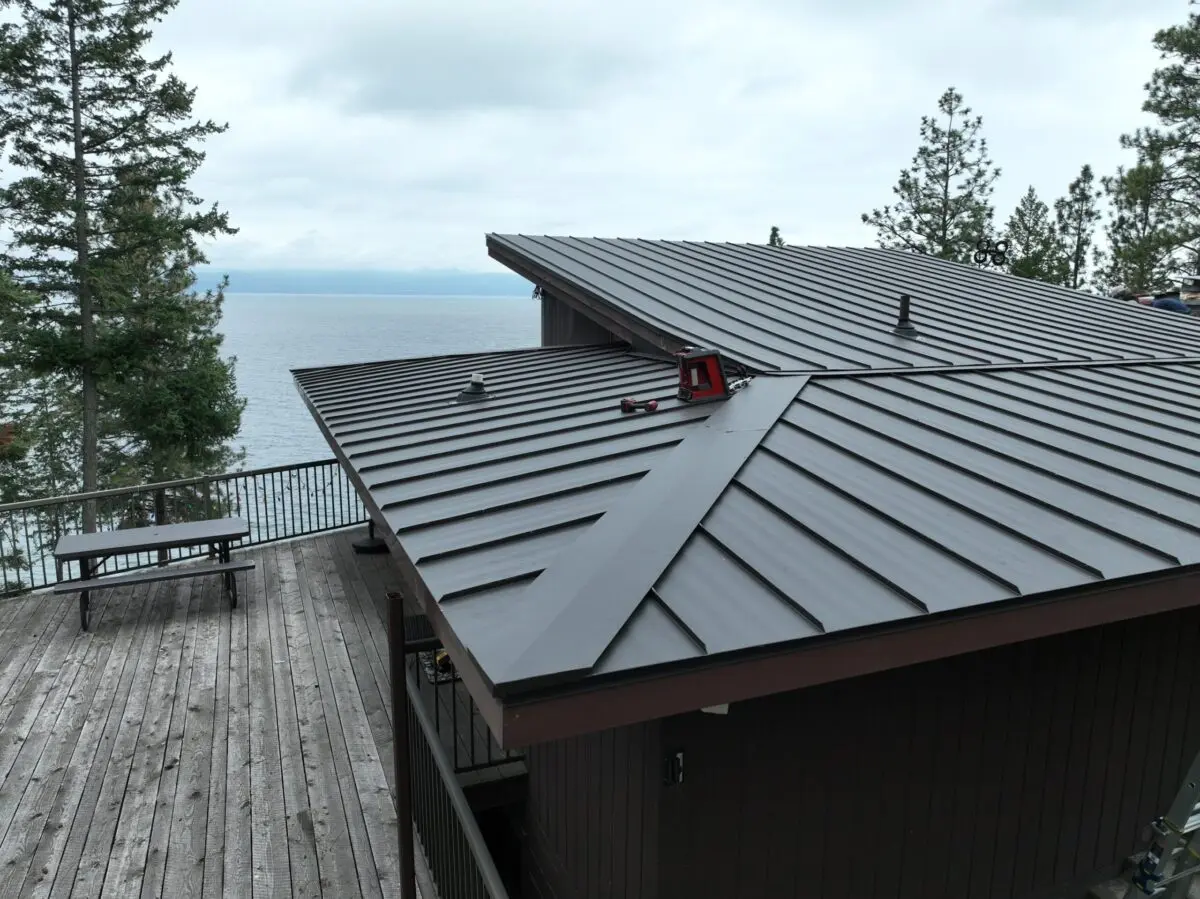
Knowing what to expect from a metal roof helps homeowners budget correctly and avoid costly surprises. A roof with a long typical lifespan changes how you think about home value, insurance, and long term planning.
- Long term savings: A roof that lasts forty or fifty years spreads the upfront cost over a much longer period than asphalt shingles.
- Higher resale value: Homes with a durable metal roof often appraise higher and attract buyers looking for low maintenance features.
- Reduced repair frequency: Fewer replacements and repairs over the life of the home mean less disruption and lower long term costs.
- Better storm performance: Metal roofs generally hold up better against wind, hail, and heavy snow than many alternative roofing materials.
- Energy efficiency: Reflective metal roofing can reduce cooling costs during the warmer months, adding to its long term value.
Homeowners in Whitefish and surrounding areas often choose metal roofing specifically because of how well it performs against heavy snow loads and rapid temperature swings, which makes lifespan an especially important factor to understand before installation.
6 Factors That Determine How Long a Metal Roof Lasts
Not every metal roof ages the same way. The following factors have the biggest influence on whether a roof reaches the higher end of its expected lifespan or falls short.
1. Type of Metal
The type of metal used has a direct impact on durability, and it is one of the first decisions homeowners make when comparing roofing materials. Steel, aluminum, copper, and zinc all age differently and come with different expected lifespans.
- Steel roofing typically lasts 40 to 70 years with proper coatings
- Aluminum resists corrosion well and can last 50 years or more
- Copper and zinc often last well beyond 50 years but come at a higher price point
2. Installation Quality
Even the best metal roofing materials will underperform if installed incorrectly. Proper installation, from fastening technique to flashing work, has as much influence on lifespan as the material itself, and installation quality is often the deciding factor between a roof that lasts decades and one that fails early.
- Poorly sealed seams are one of the most common causes of early failure
- Incorrect fastener spacing can lead to panels loosening over time
- Experienced installers account for local climate conditions during installation
3. Climate and Weather Exposure
Roofs in areas with heavy snowfall, intense sun, or frequent temperature swings experience more stress than roofs in milder climates. Homes near Whitefish and surrounding areas deal with significant snow load each winter, which places extra demand on the roofing system.
- Repeated freeze thaw cycles can stress seams and fasteners
- Prolonged UV exposure can wear down certain coatings faster
- Coastal or high humidity areas may see faster corrosion without protective coatings
4. Coating and Finish Quality
The protective coating applied to metal roofing plays a major role in how well it resists rust, fading, and general wear. Higher quality finishes cost more initially but often extend the life of the roof significantly.
- Paint based finishes typically last 15 to 30 years before needing attention
- Metallic coatings such as galvanized or galvalume offer strong corrosion resistance
- Premium finishes often carry longer manufacturer warranties
5. Maintenance Habits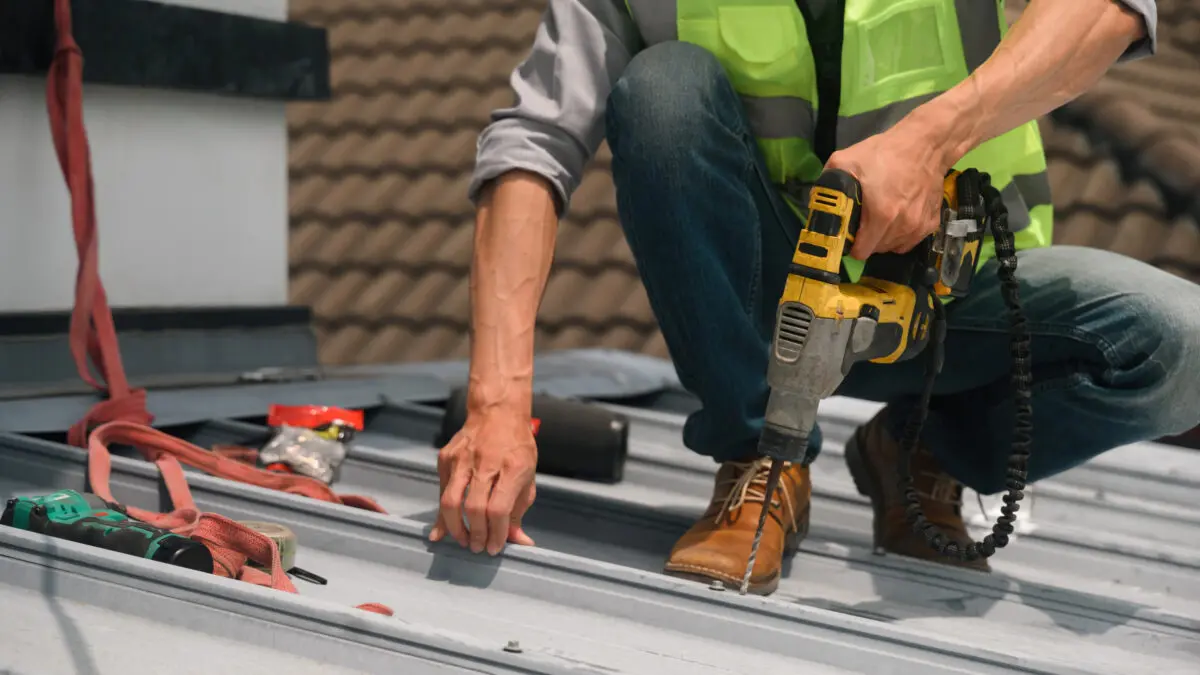
Metal roofs require less maintenance than many other roofing materials, but they are not maintenance free. Regular inspections and prompt repairs can add years to the roof’s usable life.
- Clearing debris prevents moisture from sitting against the surface
- Addressing minor scratches early prevents rust from spreading
- Annual inspections catch small issues before they become expensive problems
6. Roof Pitch and Panel Design
Roof pitch and overall roof design affect how well water and snow shed off the surface, which in turn affects how much stress the panel system absorbs over time. A steeper pitch generally sheds moisture faster and reduces the chance of standing water working its way under seams.
- Low pitch roofs need tighter seams and more careful panel overlap
- Steeper roof pitch reduces snow load buildup during heavy winters
- Panel design, including standing seam versus corrugated systems, affects how well a roof handles expansion and contraction
Common Metal Roof Myths Worth Addressing
Metal roofing carries a few persistent myths that sometimes influence homeowner decisions more than the facts do. Clearing these up helps homeowners make a more confident choice.
Do Metal Roofs Attract Lightning?
This is one of the most common concerns homeowners raise, but metal roofs do not attract lightning. Lightning is drawn to the tallest point in an area regardless of material, and metal is actually safer in a strike because it is noncombustible and conducts electricity away from the home rather than igniting.
Do Metal Roofs Leak?
A properly installed metal roof should not leak, and most reported leaks trace back to installation quality or aging seams rather than the metal itself. Panel systems with correctly sealed seams and properly flashed penetrations are designed to shed water effectively for decades.
- Leaks are far more common around poorly flashed vents, chimneys, and skylights than across flat panel sections
- Routine inspections catch failing seals before they turn into an active leak
- Reputable installers stand behind their work with workmanship warranties that cover leak related issues
Are Metal Roofs Compatible With Solar Panels?
Metal roofing is one of the most solar friendly roofing materials available. Standing seam panel systems allow installers to clamp solar panels directly to the seams without drilling into the roof, which preserves the weatherproofing and makes future removal or servicing easier.
Metal Roofing Versus Other Materials: A Longevity Comparison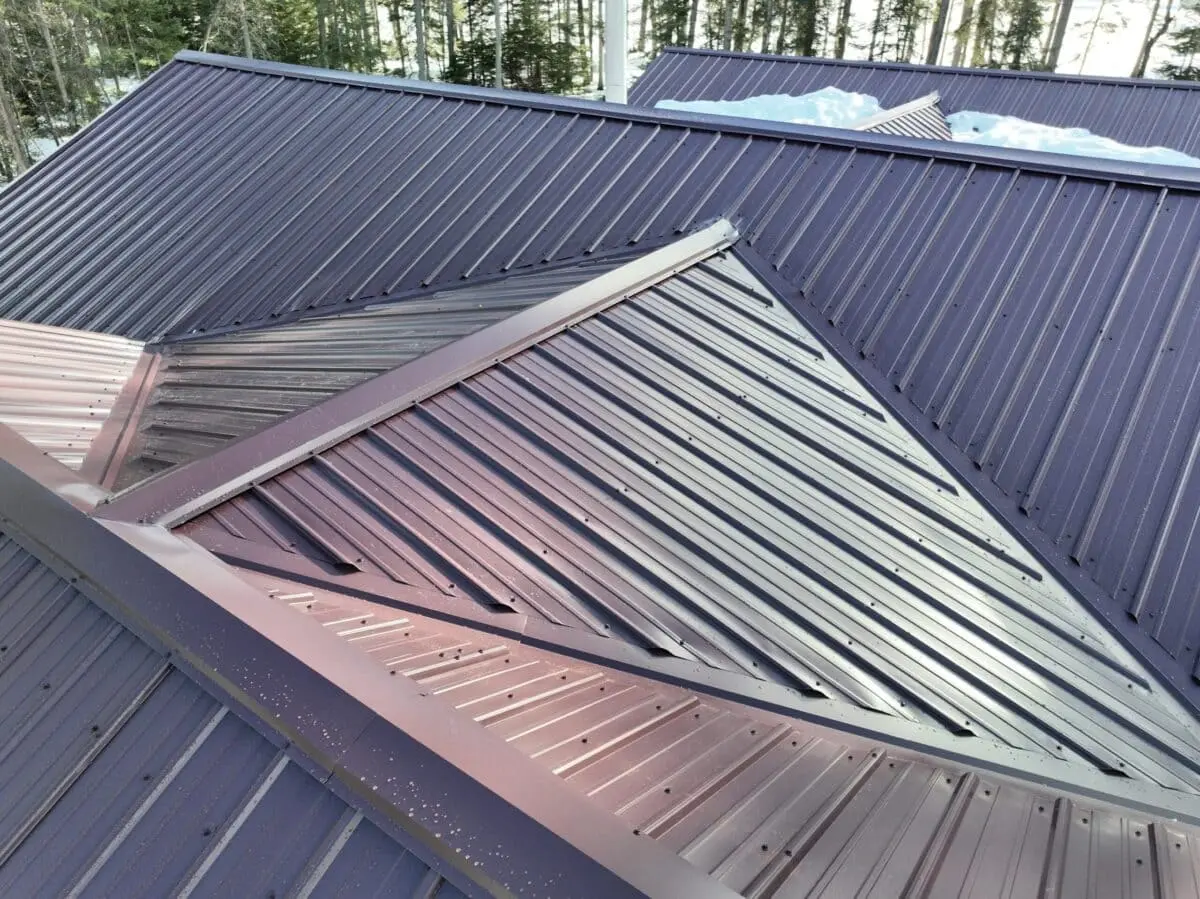
Understanding how metal roofing stacks up against other common roofing materials helps put its typical lifespan into context.
| Roofing Material | Typical Lifespan | Maintenance Level |
| Asphalt shingles | 15 to 30 years | Moderate |
| Wood shake | 20 to 40 years | High |
| Metal roofing | 40 to 70 years | Low |
| Clay tile | 50 to 100 years | Moderate |
| Slate | 75 to 100+ years | Low |
- Upfront cost versus lifetime value: Metal roofing costs more initially than asphalt but often ends up more cost effective over several decades.
- Weather resilience: Metal outperforms asphalt and wood shake in snow, wind, and hail resistance, which matters for homes near Whitefish and surrounding areas.
- Maintenance demands: Metal roofing generally requires less ongoing upkeep than wood shake or aging asphalt systems.
- Long term planning: Homeowners planning to stay in their home for decades often find metal roofing pays for itself through reduced replacement cycles.
Choosing among roofing materials is rarely just about upfront cost. When you factor in how many replacement cycles a shorter lived material might require over thirty or forty years, metal roofing often becomes the more practical choice for homeowners who want to minimize long term disruption.
It is also worth considering how each material handles the specific challenges of a mountain climate. Homes near Whitefish and surrounding areas contend with heavy snow accumulation, rapid thaw cycles, and strong seasonal winds, all of which take a heavier toll on shingles and wood shake than on metal panels. Over the span of a few decades, that difference in resilience often translates directly into fewer emergency repairs and a more predictable maintenance budget.
Investing in a New Roof That Lasts
A metal roof represents a significant investment, and understanding what drives its lifespan helps homeowners make informed decisions from choosing the type of metal through ongoing maintenance. Whether you are planning a new roof or trying to get the most out of an existing metal roof, small choices along the way add up to a much longer service life.
If you want a clear picture of what to expect from your roof, or if you are ready to explore a metal roofing system built to handle Montana winters, our team is ready to help. Montana Roofing has guided homeowners throughout the region through installations and inspections that keep roofs performing for decades. Reach out and contact us today to talk through your options and get a straightforward assessment of your home’s roofing needs.