
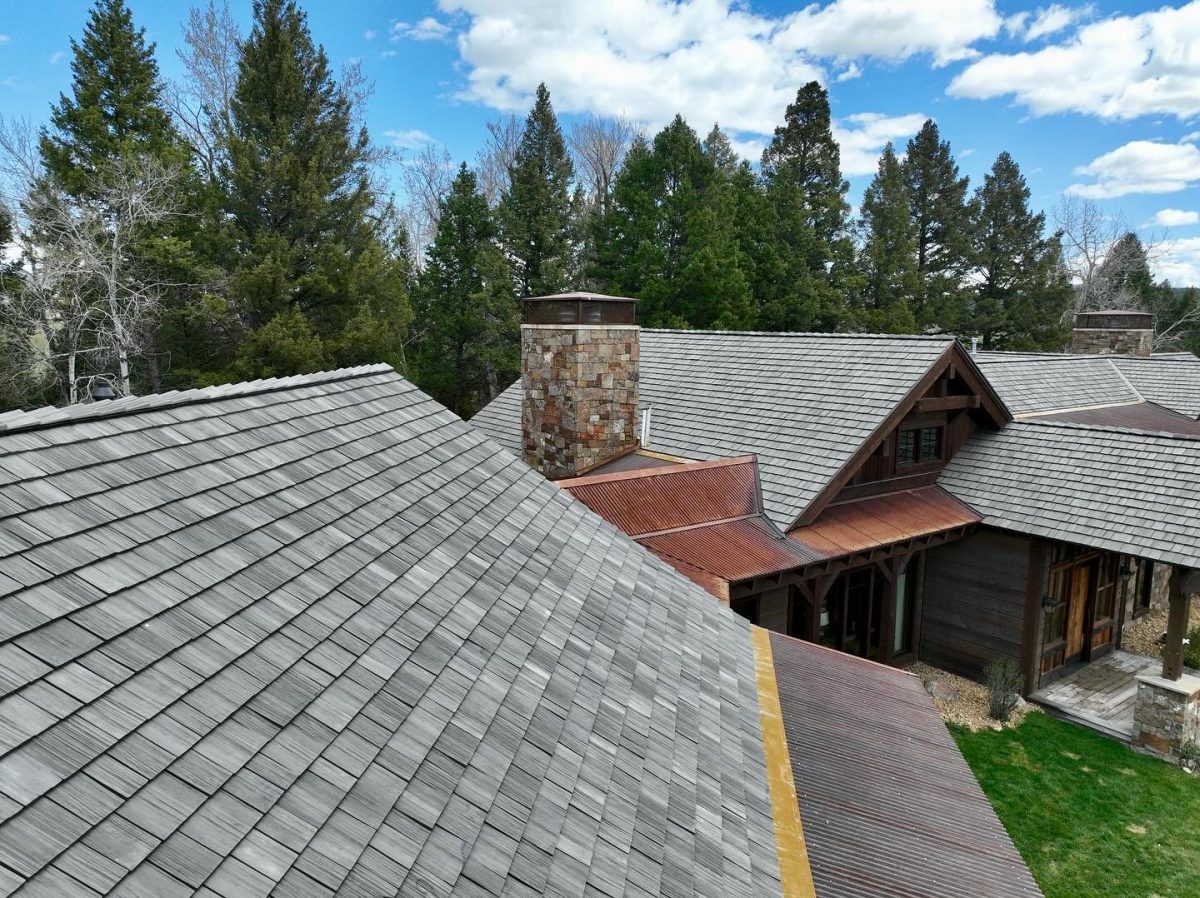
Few roofing materials match the warmth and character of natural wood, but cedar asks more of a homeowner than most options. Understanding how cedar shake roof shingles age, perform, and respond to Montana weather helps you decide with your eyes open. Many homeowners begin by comparing roofing materials suited to mountain homes before settling on a look and a budget. This guide covers what to know before you install, maintain, or replace a cedar roof.
In this guide, you will learn:
- Why cedar remains a favorite for mountain and rustic homes
- Seven key things to know about cedar shake roof shingles
- How to care for a cedar roof through every season
- How real cedar compares to synthetic cedar shakes
Why Homeowners Still Choose Cedar Shake Roof Shingles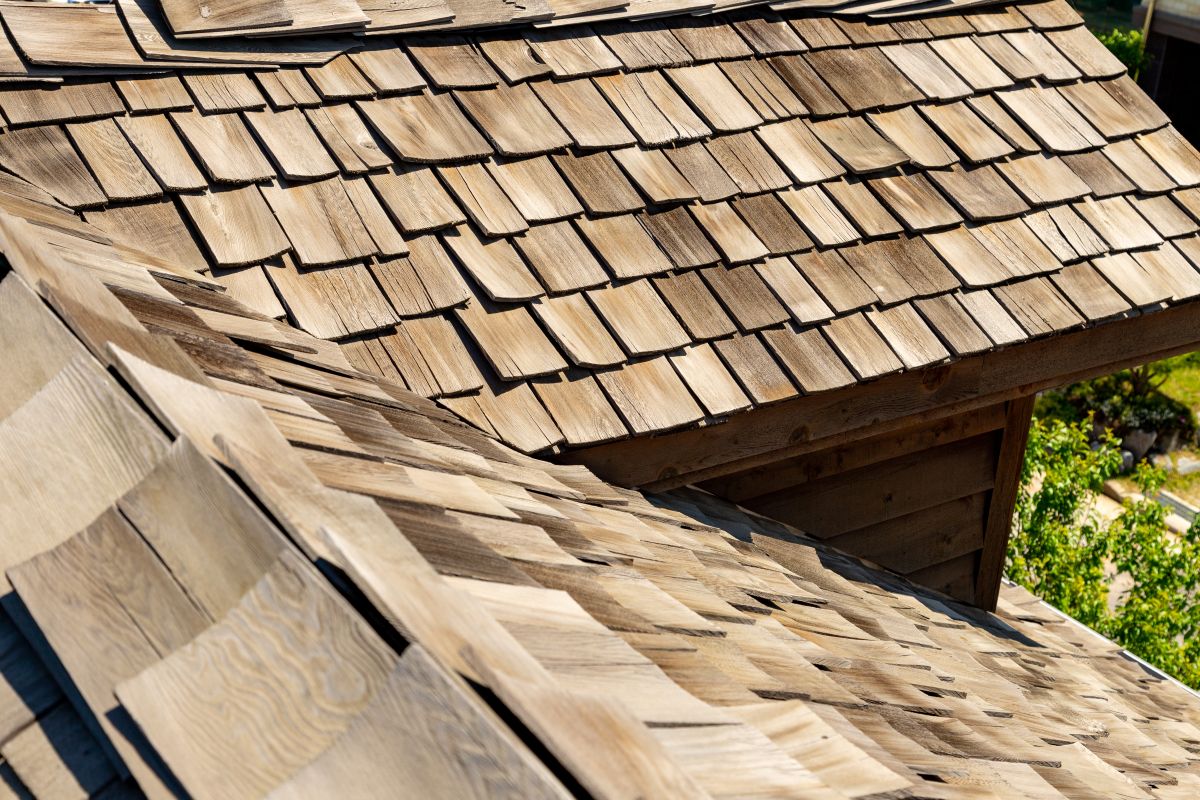
Cedar has been used on rooftops for generations, and it continues to appeal to homeowners who want something more distinctive than standard asphalt. Its natural look blends into forested settings in a way few manufactured products can fully match.
- Natural beauty: Cedar weathers from warm tones to a soft silver gray, giving a roof character that changes over time.
- Insulating qualities: Wood has natural insulating properties that can help moderate indoor temperatures.
- Natural durability: Cedar contains oils that help it resist decay and insects better than many other woods.
- Fits the landscape: The texture and color suit log homes, craftsman styles, and homes surrounded by trees.
- Renewable material: As a natural product, cedar appeals to homeowners looking for a more sustainable option.
Homeowners in Somers and surrounding areas often choose cedar because it complements lakeside and wooded properties, but the same climate that makes those settings beautiful also makes proper care essential.
6 Things to Know About Cedar Shake Roof Shingles
Cedar roofing rewards homeowners who understand it. Here are the points that matter most before you commit, and the ones worth revisiting if you already own a cedar roof.
1. Shakes and Shingles Are Not the Same Thing
People use the two words interchangeably, but they describe different products. Shingles are sawn on both sides for a smooth, uniform look, while shakes are split to create a thicker, rougher texture.
- Shingles offer a tailored, consistent appearance
- Shakes offer a more rustic, dimensional look
- Both can be used on the same type of roof, depending on the style you want
2. Lifespan Depends on Care and Climate
A well maintained cedar roof can last for decades, but the range is wide. Moisture, shade, ventilation, and maintenance all shape how long a cedar roof performs, which means two identical roofs can age very differently.
- Roofs that dry quickly after rain and snow tend to last longer
- Heavily shaded roofs hold moisture and are more prone to moss and rot
- Skipped maintenance shortens lifespan faster than almost any other factor
3. Fire Resistance Needs Attention
Untreated cedar is more flammable than many other roofing materials, which matters in areas with wildfire risk. Pressure treated fire retardant products are available, and local building codes may require them.
- Ask about Class A fire rated assemblies for your area
- Check with your insurance provider about requirements or premiums
- Keep the roof clear of needles and debris, which can fuel embers
4. Installation Quality Makes a Big Difference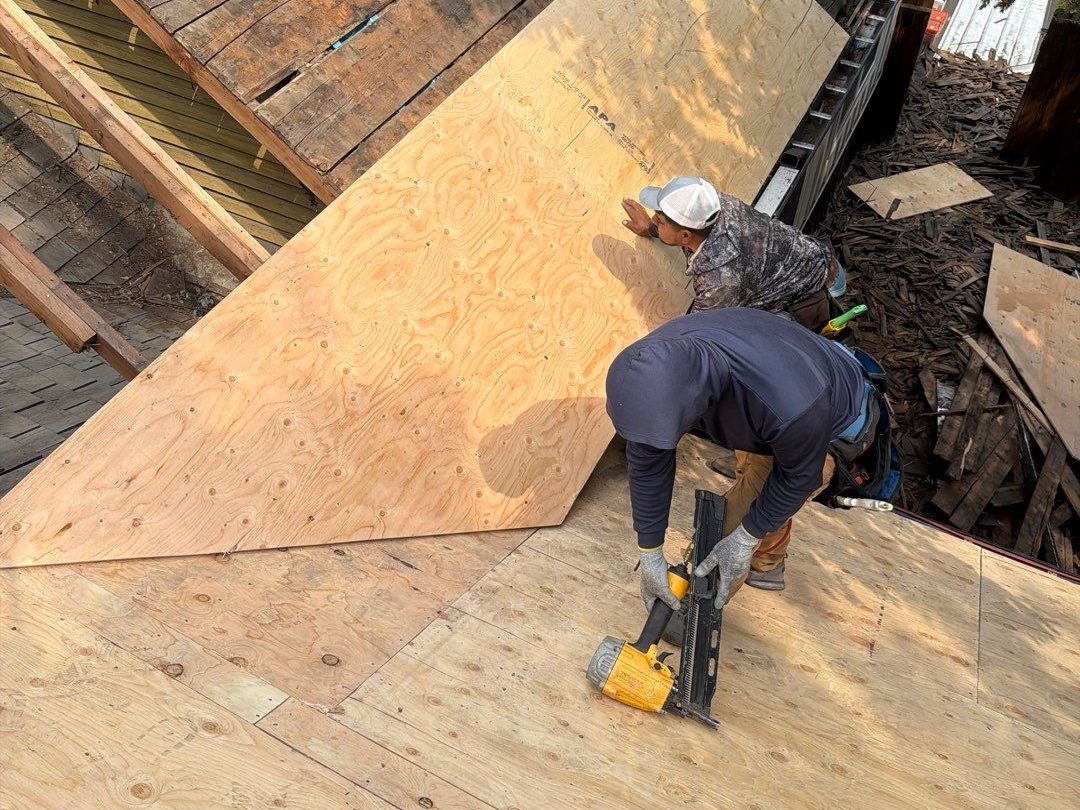
Cedar needs room to breathe. Proper spacing between shakes, correct underlayment, and good ventilation under the roof let the wood dry out between weather events, which prevents premature rot.
- Gaps between shakes allow for natural expansion and contraction
- Ventilated underlayment or battens help air circulate beneath the shakes
- Flashing in valleys and around penetrations needs extra care with wood roofing
5. Maintenance Is Part of Ownership
Cedar is not a material you install and forget. Regular upkeep keeps the wood healthy and the roof watertight, and small tasks done on schedule prevent large repairs later.
- Remove moss, algae, and debris before they hold moisture against the wood
- Replace split, cupped, or missing shakes promptly
- Consider periodic treatments that help the wood resist moisture and UV damage
6. Weathering Is Normal
New cedar has a warm, reddish tone that gradually shifts to a silvery gray. This is natural and does not mean the roof is failing, though uneven or dark patches can signal moisture trouble worth investigating.
- Gray tones are part of the cedar aesthetic for many homeowners
- Dark streaks may indicate moss, algae, or trapped moisture
- Treatments can slow or change the weathering process if you prefer a warmer color
Caring for a Cedar Roof Through the Seasons
Mountain weather puts cedar through a full workout every year. A simple seasonal routine helps you catch problems early and keep the wood in good shape. For homeowners in Somers and surrounding areas, timing these tasks around local weather is the key.
Spring: Inspect After the Thaw
Once the snow melts, walk the perimeter and look at the roof from the ground. Check for shakes that have split, lifted, or gone missing, and look inside the attic for stains that indicate winter leaks.
- Look for curled or cracked shakes
- Check flashing around chimneys and vents
- Clear debris from valleys and gutters
Summer: Clean and Treat
Dry weather is the right time for cleaning and treatments. Remove moss and algae gently, since aggressive pressure washing can damage the wood and shorten its life.
- Trim branches that shade or scrape the roof
- Apply treatments according to the manufacturer’s guidance
- Keep an eye on fire safety by clearing needles and leaves
Fall: Prepare for Winter
Before the first snow, make sure water has a clear path off the roof. Clean gutters and downspouts, and fix small problems that winter would otherwise make worse.
- Replace damaged shakes before snow arrives
- Confirm attic ventilation is working properly
- Check for gaps around penetrations where water could enter
Winter: Watch and Wait
Winter is mostly about observation. Heavy snow and ice dams can stress any roof, so monitor for leaks and avoid scraping or chipping ice from cedar, which can damage the wood.
- Watch for ice dams along the eaves
- Look for interior stains after thaws
- Call a professional for ice removal rather than doing it yourself
Real Cedar vs. Synthetic Cedar Shakes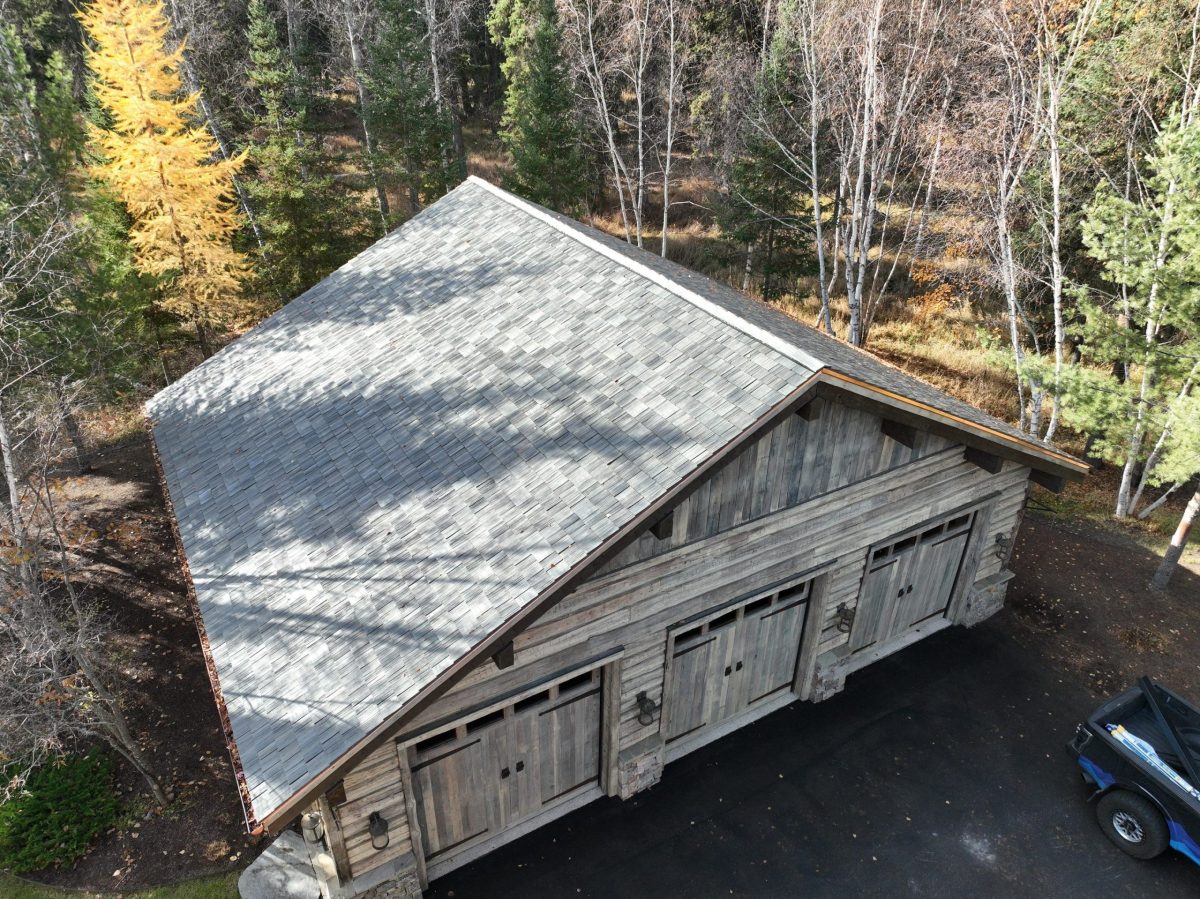
If you love the look of cedar but want less maintenance, synthetic cedar shakes are worth a look. They are designed to mimic the appearance of natural wood while using engineered materials. You can learn more about synthetic cedar shake options if you want to compare them with the real thing.
Neither choice is right for everyone. The best option depends on how much maintenance you are willing to take on, your budget, and the look you want for your home.
| Factor | Real Cedar | Synthetic Cedar Shakes |
| Appearance | Natural variation and aging | Designed to replicate wood grain and texture |
| Maintenance | Regular cleaning and treatment | Generally lower maintenance |
| Fire performance | Needs treatment for improved rating | Often engineered for strong fire ratings |
| Weathering | Changes color over time | Typically holds color consistently |
| Best for | Homeowners who value authentic wood | Homeowners who want the look with less upkeep |
Which Is Right for Your Home?
Choose real cedar if authenticity matters most and you are comfortable with regular upkeep. Choose a synthetic option if you want the cedar look with a lower maintenance routine. Homeowners in Somers and surrounding areas often weigh snow load, wildfire risk, and upkeep time together, since all three shape how well either material serves a home over the long term.
- Consider how much time you want to spend on upkeep
- Think about local fire risk and insurance requirements
- Talk with a roofer who installs both so you get an honest comparison
Make the Right Call on Your Cedar Roof
Cedar shake roof shingles can give your home a look that lasts for decades, but they reward homeowners who understand how the material behaves. Knowing the basics of installation, maintenance, and fire safety helps you protect your investment and enjoy the result.
If you are planning a new cedar roof, maintaining an existing one, or weighing cedar against other options, our team at Montana Roofing is here to help. We will walk you through the pros and cons in plain language and recommend what fits your home. Homeowners in Somers and surrounding areas can contact us today to schedule a consultation and get started.