
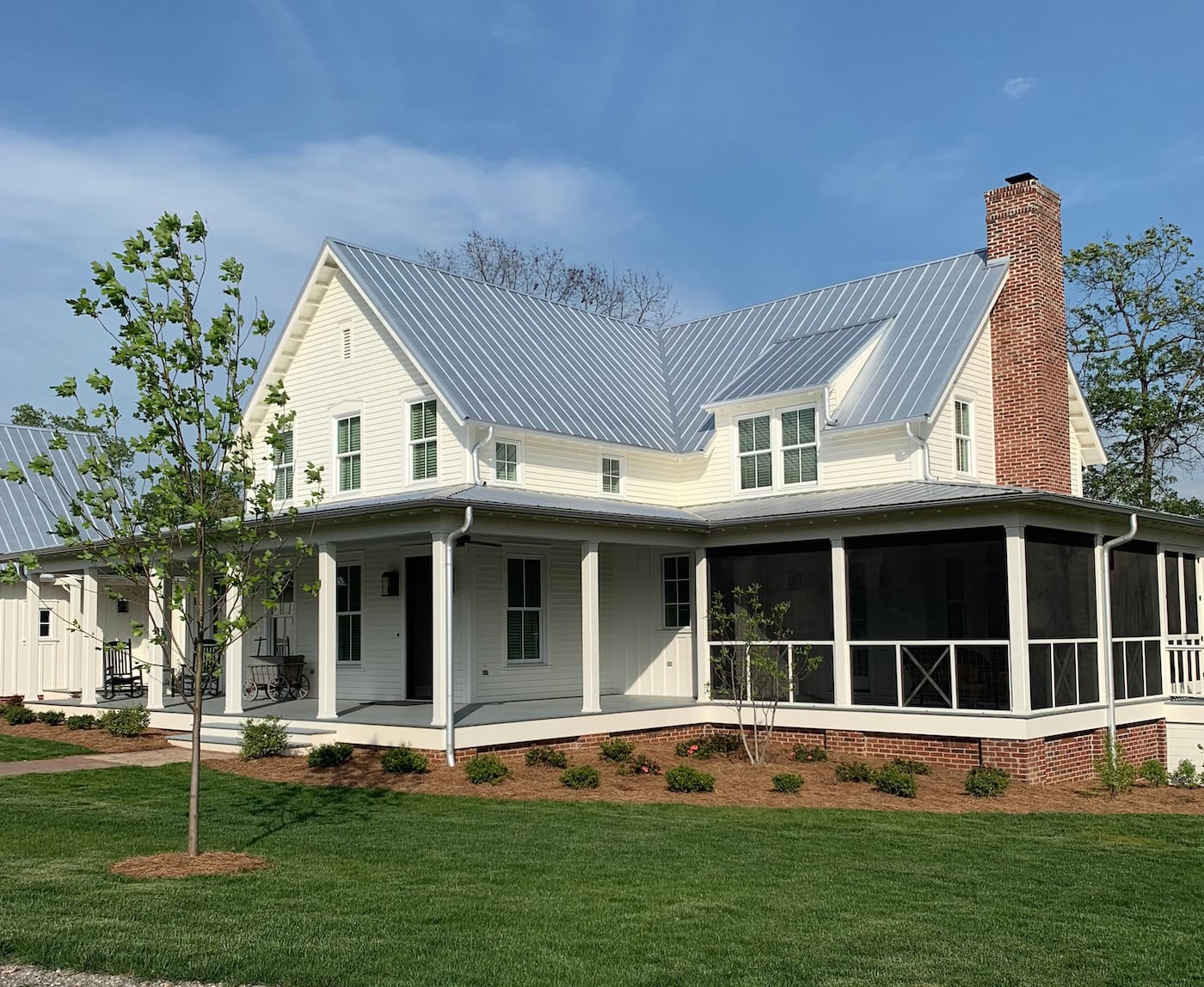
Choosing the right roofing material plays a major role in long term property protection, energy efficiency, and overall design appeal. Understanding types of metal roofing helps homeowners and business owners compare durability, climate performance, and maintenance needs before investing. Metal roofing continues to grow in popularity across Montana due to its longevity and its ability to withstand changing weather conditions. Exploring the core categories of metal roofing is the first step toward choosing the best fit for your building.
This guide will cover:
- Primary types of metal roofing: How each material performs
- Advantages and limitations: What to know before selecting a metal option
- Installation considerations: How profiles and coatings affect performance
- Comparison insights: Which materials best match your goals
Types of Metal Roofing: Why It Matters
Selecting a metal roofing system is more than a design decision. Each metal type offers unique benefits related to weather resistance, cost, and long term maintenance. Homes in places like Bozeman, MT experience cold winters, strong sun exposure, and seasonal shifts, all of which influence how different metals age over time. Knowing these characteristics before installation helps ensure your investment performs well for decades.
Metal roofs provide several advantages beyond durability, including energy savings, reduced maintenance needs, and environmentally friendly disposal at the end of their service life. Choosing the right system requires weighing these benefits alongside your climate conditions and design preferences.
4 Main Types of Metal Roofing
Metal roofing comes in several widely used material categories. Below are four of the most common types and how they compare based on performance, installation, and longevity.

- Steel roofing: A versatile and widely available metal suitable for residential and commercial structures.
- Aluminum roofing: A lightweight, corrosion resistant choice ideal for moisture heavy environments.
- Copper roofing: A premium metal known for historic appeal and long term durability.
- Zinc roofing: A self-healing material valued for sustainability and extended lifespan.
Each category offers unique advantages that may be a better fit depending on your structure, climate, and budget.
Steel Roofing
Steel is one of the most frequently used metal roofing materials due to its strength, affordability, and adaptability. Steel panels are commonly coated with galvanized or galvalume finishes that protect the surface from corrosion and extend the roof’s lifespan. Many property owners choose steel for its balance of cost and durability.
Advantages of steel
Steel roofing provides a strong structural surface that withstands impacts, wind, and seasonal weather changes. Its protective coatings improve long term performance and reduce the likelihood of rust under normal conditions.
When to use steel roofing
Steel is well suited for residential homes, agricultural buildings, and commercial structures. Homeowners looking for a reliable and cost effective metal roof often start with steel due to its wide availability and design flexibility.
Aluminum Roofing
Aluminum roofing offers excellent resistance to corrosion, making it an ideal choice for humid or coastal climates. Even though Montana is not coastal, properties near lakes or areas with high moisture levels benefit from aluminum’s natural protection. Aluminum is one of the lightest metal roofing materials, reducing structural load on older buildings.
Advantages of aluminum
Aluminum is non corrosive and performs well in areas where moisture exposure is a concern. Its lightweight nature simplifies installation and minimizes stress on roof framing.
When to use aluminum roofing
This metal is commonly chosen for commercial buildings, industrial facilities, and homes where long term corrosion resistance is a priority. Its predictable performance in varied environments adds to its appeal.
Copper Roofing

Copper roofing is among the most distinctive options available, offering unmatched longevity and a natural patina that develops over time. Although it is more expensive than other metal roofing types, its appearance and long lifespan make it a premium choice. Copper roofing is often used on historic buildings or upscale residential properties.
Advantages of copper
Copper is extremely durable and requires minimal maintenance. Its surface naturally resists corrosion, and the patina layer provides additional protection while enhancing its visual appeal.
When to use copper roofing
Copper works well for architectural projects requiring high aesthetic value. It is frequently selected for custom homes, landmarks, restoration projects, and premium design applications.
Zinc Roofing

Zinc is well known for its self healing properties that allow scratches and imperfections to fade over time. Like copper, zinc develops a natural patina that protects the metal surface. Zinc is a strong contender for environmentally conscious projects due to its recyclability and long service life.
Advantages of zinc
Zinc provides exceptional durability and requires very little maintenance. Its self healing characteristics reduce the visibility of wear, making it an excellent long term roofing solution.
When to use zinc roofing
Zinc complements modern architectural styles and buildings that emphasize sustainability. Its clean, sophisticated appearance suits both residential and commercial projects.
Key Features to Consider When Choosing Between Types of Metal Roofing
Beyond the type of metal, several performance and design factors play a role in determining which metal roofing system is best for your home. Considering these characteristics will help ensure you select a long lasting and efficient roofing solution.
- Coating and finish: Protective coatings improve corrosion resistance and expand color options.
- Panel profile: Standing seam, corrugated, and ribbed panels offer different structural strengths.
- Structural weight: Some metals weigh more than others, impacting framing requirements.
- Energy performance: Reflective coatings reduce heat absorption and improve energy efficiency.
- Installation demands: Certain profiles require installers experienced with specialty techniques.
Comparison Table: How Metal Roofing Types Measure Up
This table provides a quick reference of how the four major metal roofing types compare in essential categories.
| Feature | Steel | Aluminum | Copper | Zinc |
| Durability | High | Medium high | Very high | High |
| Corrosion Resistance | Moderate with coating | Excellent | Excellent | Excellent |
| Cost | Low to medium | Medium | High | Medium high |
| Maintenance | Moderate | Low | Low | Low |
| Weight | Heavier | Lightweight | Medium | Medium |
| Aesthetic Options | Wide selection | Wide selection | Premium patina | Natural patina |
We are proud to serve home and business owners in Bozeman, MT and nearby areas with metal roofing installation, replacements, repairs, and more.
Montana Roofing Solutions Helps You Choose the Right Metal Roofing System
Montana Roofing Solutions guides homeowners and businesses through the process of comparing types of metal roofing, evaluating performance needs, and selecting materials that match their budget and long term goals. Our team ensures every installation is completed with precision, quality workmanship, and careful attention to local climate conditions.
If you are ready to explore metal roofing options for your home or commercial building, contact Montana Roofing Solutions for a free inspection. Our experts will help you compare materials, review design profiles, and select the metal roofing system that delivers lasting protection and visual appeal.