
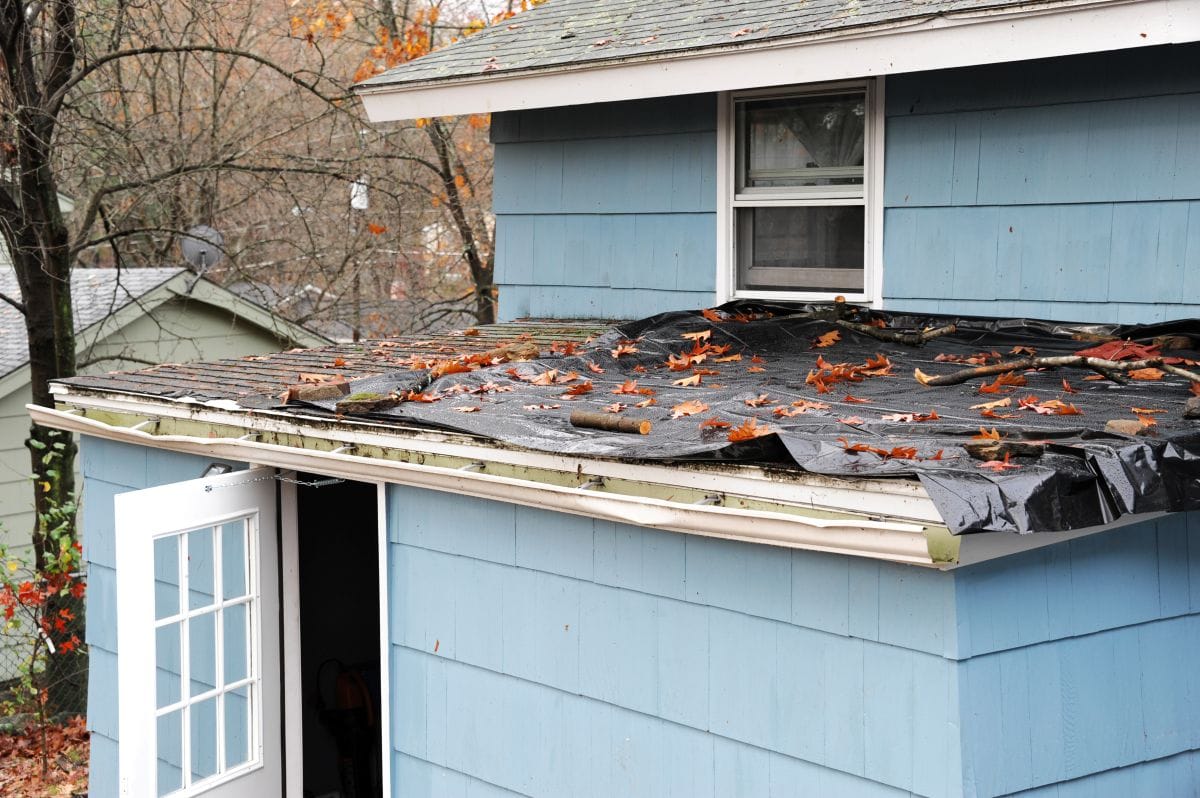
After severe weather passes through, scheduling a storm damage roof inspection is one of the most important steps homeowners can take to protect their property. Severe storms, high winds, heavy rain, and flying debris can cause roof storm damage even when there is no obvious visible damage from the ground. Acting quickly after a major storm helps identify problems early and prevents small issues from turning into costly roof repairs.
Homeowners should take time to check their property safely after storms and look for warning signs that their roof may have been affected.
- Storms can loosen shingles, flashing, and roof components
- Hidden damage may allow moisture to enter the attic
- Early inspections help prevent long term structural issues
- Professional evaluations can support insurance claim documentation
We’re proud to serve home and business owners with storm damage roof inspection services and professional roofing solutions.
Why Storm Damage Roof Inspections Are Important

Conducting a professional inspection shortly after a major storm helps identify these issues before they worsen. Quick action also helps homeowners document roof storm damage if they need to file a claim with their insurance company.
- Wind damage: High winds may lift or tear shingles from the roof surface
- Hail impacts: Hail can crack shingles and weaken protective layers
- Debris strikes: Falling branches can puncture damaged roofing material
- Water intrusion: Open areas can allow moisture to reach the attic
Common Storm Damage and What It Means
| Storm Damage Type | What to Look For | Potential Risk |
| Wind damage | Missing shingles or lifted edges | Water infiltration |
| Hail damage | Dents or granule loss on shingles | Reduced roof lifespan |
| Debris damage | Broken shingles or punctures | Structural damage |
| Flashing damage | Bent or separated flashing | Leaks around roof penetrations |
Understanding the type of roof storm damage helps determine how quickly roof repairs may be needed.
7 Things to Check During a Storm Damage Roof Inspection
After a storm, homeowners can perform a basic visual inspection from the ground or inside the attic. These steps help identify potential problems before contacting roofing contractors for a professional inspection.
1. Missing or Lifted Shingles
Strong winds during severe storms can loosen shingles or tear shingles completely from the roof. Even slightly lifted shingles can allow water to seep underneath and damage the roofing system.
- Look for bare roof areas: Missing shingles expose the underlayment
- Check roof edges: Wind often lifts shingles along ridges and eaves
- Inspect for curling: Loose shingles may bend upward after storms
2. Damaged Flashing
Flashing protects areas where the roof meets chimneys, vents, and walls. High winds and flying debris can bend or dislodge flashing, allowing water to enter.
- Check metal flashing: Look for bending or separation
- Inspect roof penetrations: Areas around vents and pipes are vulnerable
- Look for gaps: Open seams may allow water intrusion
3. Hail Impact Marks

- Check gutters and downspouts: Dents may indicate hail damage
- Look for dark spots: Areas where granules have been knocked away
- Inspect siding and metal surfaces: Hail often leaves visible damage
4. Debris on the Roof
Tree limbs and other debris frequently land on roofs during severe storms. Even small branches can damage shingles or block drainage pathways.
- Check for fallen branches: Large limbs can crack shingles
- Look for debris buildup: Leaves and branches may trap moisture
- Inspect valleys: Debris often collects where roof sections meet
5. Damage to Gutters and Downspouts
Storms can loosen gutters or fill them with debris. Damaged drainage systems can cause water to back up onto the roof.
- Check gutter alignment: Gutters should remain firmly attached
- Look for debris buildup: Blocked gutters prevent proper drainage
- Inspect downspouts: Ensure water flows away from the home
6. Interior Signs of Roof Damage
Sometimes the first sign of roof damage appears inside the home. Checking attic spaces and ceilings can reveal leaks or moisture problems.
- Look for ceiling stains: Discoloration may indicate a leak
- Check attic insulation: Damp insulation suggests water intrusion
- Inspect attic decking: Dark spots may indicate moisture buildup
7. Granules in Gutters
Asphalt shingles contain protective granules that help shield the roof from weather and UV exposure. Severe storms can loosen these granules and wash them into the gutters.
- Check gutters for granules: Excess granules may indicate shingle wear
- Inspect downspouts: Granules may accumulate after heavy storms
- Look for uneven shingle surfaces: Missing granules expose roofing material
Quick Storm Damage Inspection Checklist
| Area to Inspect | What to Look For | Why It Matters |
| Shingles | Missing or torn shingles | Prevents leaks |
| Flashing | Bent or separated flashing | Protects roof penetrations |
| Gutters | Debris or sagging gutters | Maintains drainage |
| Attic | Moisture or insulation damage | Detects hidden leaks |
| Roof valleys | Debris buildup | Prevents water pooling |
Common Misconceptions About Storm Damage Roof Inspections

Small damage can wait to be repaired
Some homeowners believe minor damage is not urgent. In reality, even a single missing or torn shingle can allow water to reach the underlayment and eventually cause leaks that require extensive roof repairs.
If there is no leak, the roof is fine
Storm damage does not always cause immediate leaks. High winds and debris may loosen shingles or flashing without creating a visible leak right away.
Insurance will always cover roof damage
Insurance coverage depends on the cause of the damage and the condition of the roof before the storm. A professional inspection from experienced roofing contractors helps document roof storm damage when working with an insurance company.
Protect Your Home with Montana Roofing Solutions
Storm damage can affect your roof in ways that are not always obvious at first glance. Montana Roofing Solutions provides professional storm damage roof inspection services, roof repairs, and expert roofing solutions designed to keep your property protected. If your home has recently experienced a major storm or severe storms with high winds, our team can perform a professional inspection to identify visible damage and hidden issues. Contact Montana Roofing Solutions today to schedule a roof inspection and ensure your home remains protected after the next storm.