
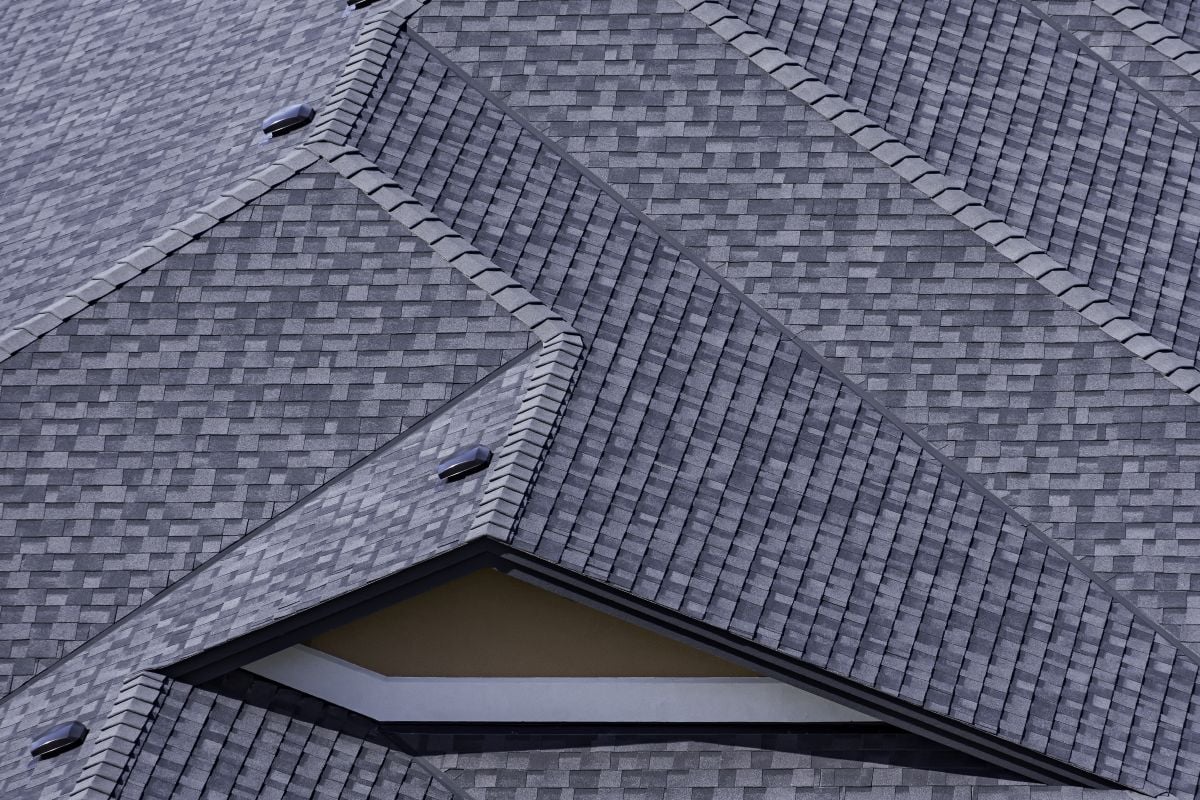
Knowing how to measure a roof for shingles is essential whether you are planning a roofing project yourself or preparing to consult with a professional. Accurate measurements help you purchase the right amount of materials, avoid costly overruns, and streamline the installation process. This skill allows homeowners and contractors alike to estimate costs and timelines more effectively while minimizing waste. For those interested in expert assistance, comprehensive services in residential roofing can provide professional guidance and installation.
- Understand why precise roof measurements are critical for shingle installation
- Learn a step-by-step method for measuring your roof accurately
- Discover tips to calculate materials based on your roof layout
- Avoid common errors that lead to overspending or delays

Why Accurate Roof Measurement Matters for Shingles
Knowing how to measure a roof for shingles and understanding the exact dimensions of your roof is important because it directly impacts the amount of shingles you will need. Underestimating or overestimating can lead to project delays, additional costs, or leftover materials that clutter your workspace. Proper measurement not only makes budgeting more predictable but also reduces waste, supporting sustainable construction practices.
- Cost efficiency: Accurately measuring helps avoid purchasing excess shingles, lowering overall costs.
- Project planning: Reliable measurements allow scheduling precise supply deliveries and labor allocation.
- Material management: Helps in ordering appropriate volumes of underlayment, nails, and other related materials.
- Safety improvement: Reduces the need for multiple trips up and down the roof, minimizing fall risks.
- Warranty compliance: Proper installation based on correct measurements can help maintain manufacturer warranties.
How Measure a Roof for Shingles in 4 Easy Steps
Roof measurement can seem intimidating, but these four easy steps break the process into manageable tasks. With a bit of preparation and attention to detail, you’ll be ready to calculate material needs accurately and efficiently.
1. Sketch and Label Your Roof Layout
Start by drawing a rough diagram of your roof. Include all visible sections such as main planes, dormers, valleys, and hips. Label each part clearly so that your measurements match each roof segment.
- Focus on simplicity: Even if your sketch isn’t perfect, the key is clarity in labeling sections.
- Multiple slopes: Separate gables or extensions should be drawn as distinct rectangles or triangles.
- Label orientation: Indicate which sides are the eaves, ridges, and rakes for reference.
2. Take Length and Width Measurements
Using a measuring tape or laser tool, measure the length and width of each roof section on your diagram. For safety, always ensure your ladder is stable, and avoid measuring during poor weather conditions.
- Flat measurement technique: Take horizontal measurements from eave to eave and from ridge to gutter line.
- Helper strategy: Have someone assist in holding the tape for longer spans to reduce sagging or misreads.
- Roof access: Only climb the roof if conditions are safe and proper fall protection is used.
3. Calculate Total Roof Area with Pitch Adjustment
Multiply the length and width of each section to get the area in square feet. Then, use a pitch factor to adjust for slope. Roof pitch affects surface area—steeper roofs have more surface to cover with shingles.
- Pitch factor example: A 6/12 pitch has a multiplier of 1.12; multiply flat area by this factor.
- Total surface area: Add together all adjusted sections for your full roof square footage.
- Use apps or charts: Roofing calculators and pitch tables are widely available to simplify this process.
4. Estimate Shingle Quantities and Waste Allowance
Divide the total square footage by 100 to get the number of roofing squares needed. Then, add 10–15% extra for waste from cuts, starter rows, ridge caps, and overlaps.
- 1 roofing square = 100 sq. ft.: This standard unit simplifies ordering shingles.
- Add for complexity: High-pitch or irregular roofs require more waste allowance.
- Don’t forget accessories: Include quantities for underlayment, drip edge, nails, and ridge venting if applicable.


How To Measure a Roof For Shingles: Tools and Safety Gear to Use
Using the right tools not only ensures accurate measurements but also keeps you safe throughout the process.
- Measuring tape or laser measurer: For precise horizontal distances
- Pitch finder or level and ruler: To determine roof slope angle
- Ladder and safety harness: Essential for roof access on higher or steep areas
- Notebook and pencil: For logging dimensions and calculations
- Roofing calculator or app: To help speed up pitch conversions and shingle estimates
Additional Tips for Smooth Roof Measurement
Beyond the basic process, these extra tips will help make your roof measurement safer, faster, and more accurate.
- Measure twice: Always double check key dimensions to ensure nothing is missed.
- Clear debris: Make sure the roof surface is free of leaves, snow, or branches before taking measurements.
- Choose ideal weather: Dry, calm days reduce hazards and improve visibility.
- Mark key areas: Use chalk to label reference points if measuring directly on the roof.
- Document with photos: Take pictures of each section to cross-check dimensions later.
Common Challenges and How to Overcome Them
Learning how to measure a roof for shingles isn’t always straightforward. These common issues can throw off your calculations if not addressed early.
Irregular Roof Structures
Complex shapes with dormers, multiple valleys, or intersecting planes require you to break the layout into smaller measurable parts. Each section should be calculated individually before combining totals.
Steep or Multi-Story Roofs
Working on high or steep roofs increases fall risk and can limit measurement access. Using drones or professional tools like a laser rangefinder from the ground can provide safe alternatives.
Measurement Errors
Sagging tape measures, misreading digits, or skipping sections can lead to large errors in material estimates. Always remeasure and verify calculations with another person or app-based estimator.
Environmental Disruptions
Wind, moisture, and direct sunlight can impact visibility and tool use. Choose calm, dry days and work in the morning or evening to avoid glare or heat fatigue.
How to Measure a Roof For Shingles: Frequently Asked Questions
Understanding how and when to measure your roof helps you avoid delays and mistakes during installation.
- How often should I measure my roof for shingles?: Only when planning a new roofing project or if making significant modifications.
- Can I measure the roof from the ground?: Yes, for basic layouts, but accurate measurements often require climbing or using drone tech.
- What is a roofing square?: A roofing square is a unit equal to 100 square feet of roof surface.
- Do all roofs need the same waste factor?: No, more complex roofs require a higher waste percentage—up to 15% or more.
- Should I add extra shingles beyond my measurement?: Yes, always include additional material for cutting, errors, and future repairs.
Get Precise Results With Montana Roofing Solutions
Knowing how to measure a roof for shingles is the first step in any successful shingle project. It ensures you order the right materials, control your budget, and protect your home with confidence. Whether you’re preparing to DIY or need expert help for a complex roof, taking these four simple steps guarantees better results.
Montana Roofing Solutions brings years of experience helping homeowners calculate and install roofs that last. We’re proud to serve home and business owners in Helena, MT, and nearby communities with residential roofing services and more. Contact Montana Roofing Solutions today to get a precise roof assessment and expert shingle installation tailored to your needs.