
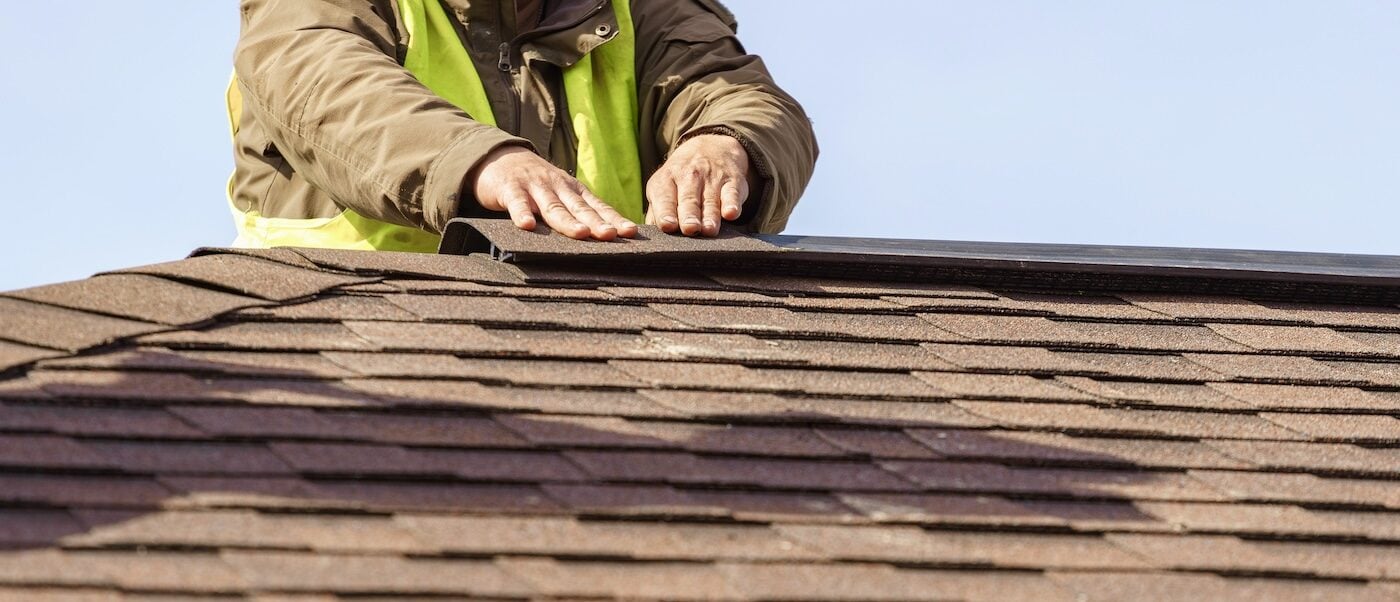
Learning how to install ridge cap shingles is essential for homeowners who want to understand how their roof stays protected at its most vulnerable point. Ridge caps help seal the highest peaks of your roof and deliver both structural protection and clean visual lines. When installed properly, they prevent water intrusion, support ventilation, and improve overall roof longevity.
This guide will cover:
- Installation basics: What ridge caps are designed to do
- Tools and materials: What installers use to complete the process
- Climate considerations: How weather influences ridge cap performance
- Step by step instructions: A simple explanation of how pros install them
- Common mistakes: Issues homeowners should watch for
- Recommended materials: What works best for long term durability
What Ridge Cap Shingles Do and Why They Matter
Before getting into how to install ridge cap shingles, you should know that ridge cap shingles protect the roof’s highest point by sealing the horizontal line where two slopes meet. This location is exposed to wind, rain, temperature swings, and shifting air pressure. Homes in places like Bigfork, MT depend on ridge caps to help manage snowmelt, reduce moisture intrusion, and keep roof ventilation working correctly. A well installed ridge cap also improves the finished appearance of the roof by completing the architectural profile. Homeowners who need professional installation or inspection services can rely on our experienced roofing team in Bigfork, MT, where ridge caps play a critical role in managing snow buildup, freeze and thaw cycles, and long term roof durability.

Ridge caps are typically thicker than standard shingles. This added strength helps them resist bending and cracking across the curved ridge areas. Their layered construction supports long term performance even through repeated freeze and thaw cycles.
How to Install Ridge Cap Shingles: Materials and Tools Needed Before Installation Begins
Professionals gather specific tools and materials before installing ridge cap shingles. These items help ensure clean lines, secure fastening, and proper weather sealing.
- Ridge cap shingles: Thicker, pre cut options designed for roof peaks.
- Roofing nails: Galvanized nails that resist corrosion.
- Chalk line: Used to mark straight installation paths.
- Roofing sealant: Helps support moisture resistance at vulnerable points.
- Utility knife: Cuts shingles to fit tight ridge transitions.
- Safety equipment: Harnesses, ladders, gloves, and stable footing materials.
If you want a deeper understanding of how ridge caps fit into the full roofing process, our guide on how to install roof shingles explains how underlayment, shingle alignment, and fastening techniques all work together to create a durable and weather resistant roof system.
How to Install Ridge Cap Shingles: A 6 Step Guide
Homeowners often want to understand the basic steps without attempting the work themselves. This simplified walkthrough explains how professionals install ridge cap shingles safely and correctly.
- Prepare the ridge: The installer clears debris, checks underlayment, and ensures the ridge vent is aligned before shingles are added.
- Mark the installation line: A chalk line creates a guide for straight and even placement across the entire ridge.
- Start at the end opposite the wind direction: Beginning installation on the side away from prevailing winds helps reduce the risk of uplift.
- Overlap each shingle section: Each ridge cap overlaps the previous piece to support water shedding and structural durability.
- Nail through designated areas: Installers use the reinforced zones on each ridge shingle to create secure fastening without cracking the product.
- Finish with the final cap: The last cap is cut for a snug finish so the ridge remains fully sealed and visually uniform.
Ridge Cap Shingle Types and How They Compare
A table fits naturally here because homeowners benefit from a clear, quick comparison of the materials used on ridge lines.When learning how to install ridge cap shingles, this chart is helpful:
| Ridge Cap Type | Best Use Case | Appearance | Durability Level | Notes |
| Pre cut ridge caps | Most standard architectural roofs | Clean, consistent lines | High | Designed for easy installation and visual uniformity |
| Laminated ridge caps | Homes needing added strength | Thicker profile | Very high | Ideal for regions with strong wind and snow |
| Three tab cut caps | Budget focused homes | Flat and simple | Moderate | Created by cutting strips from three tab shingles |
| High profile ridge caps | Decorative or luxury roofs | Raised, dimensional look | Very high | Aesthetic upgrade that complements architectural shingles |
This comparison helps homeowners see how performance and appearance vary based on the type of ridge cap installed.
Mistakes Installers Avoid During Ridge Cap Installation
Not all installation mistakes are obvious to homeowners, but they can impact long term roof performance. Professional crews pay close attention to these details to ensure ridge protection remains effective. These problems often relate to broader installation issues across the roof, which we explain in detail in our article on new roof shingles not laying flat
Incorrect overlap spacing
Shingles must overlap correctly to ensure water flows downward. Poor spacing can allow moisture to collect or travel backward underneath the cap.
Using incorrect nails
When learning how to install ridge cap shingles, the type of nail is important. Roofing nails must be corrosion resistant and placed in reinforced zones to prevent splitting. Wrong nail placement can lead to early lifting or cracking.
Skipping ridge vent inspection
Many roofs use ridge vents for airflow. If the vent is damaged or misaligned, installing ridge caps on top of it can cause ventilation issues.
Climate Factors That Influence Ridge Cap Performance

Weather conditions should always guide material and installation choices. Montana’s climate creates several considerations that make ridge caps an essential part of a roof system. Homeowners seeking expert guidance tailored to local conditions can work with our roofing specialists in Kalispell, MT, where ridge cap installation is designed to withstand seasonal storms and temperature fluctuations common to the Flathead Valley.
- Snow accumulation: Ridge caps help prevent moisture from seeping into the peak during melting cycles.
- Wind exposure: Proper fastening reduces uplift risk during seasonal storms.
- Freeze and thaw cycles: Thicker ridge caps resist cracking when temperatures change quickly.
- UV exposure: Quality granule coverage helps the ridge retain color and structural integrity through bright summers.
How Ridge Caps Support Roof Ventilation
Many homes use ridge vents to remove excess heat and moisture from the attic. Ridge caps cover these vents while allowing airflow to continue. This helps reduce condensation, prevent mold growth, and improve overall roof lifespan. Proper ventilation also helps shingles across the entire roof age more evenly.
When ridge vents function correctly, indoor comfort improves and HVAC systems run more efficiently. Ridge caps protect this system without blocking airflow.
When It Is Time to Replace Ridge Caps
Ridge caps should be replaced when they show signs of wear or moisture intrusion. Homeowners can look for several indicators that suggest replacement is needed soon.

- Curling edges: Often caused by long term sun exposure.
- Cracks or splits: Common in older ridge caps during colder months.
- Loose caps: Can lead to water intrusion during storms.
- Missing granules: Leaves the shingle vulnerable to UV damage.
- Leaks near the ridge: Often tied to aging ridge caps or faulty ridge vent installation.
We are proud to serve home and business owners in Bigfork, MT and nearby cities with ridge cap installation, roof repairs, and more.
Montana Roofing Solutions Makes Ridge Cap Installation Easy
At the end of the day, you really don’t need to know how to install ridge cap shingles because we’ve got you! Montana Roofing Solutions provides expert installation for ridge cap shingles, ensuring your roof peaks stay fully protected year after year. Our team uses clean installation methods, secure fastening, and high quality materials designed for Montana weather. We help homeowners understand material options, evaluate ridge vent needs, and choose solutions that maximize longevity. If your property is located near the lake, our team offers trusted roofing solutions in Lakeside, MT, using high quality materials and proven installation techniques to keep your roof peaks fully protected year after year.
If you want reliable protection at your roof’s highest point, contact Montana Roofing Solutions for a free inspection. Our experts will guide you through your ridge cap options and deliver an installation built for long lasting performance.