
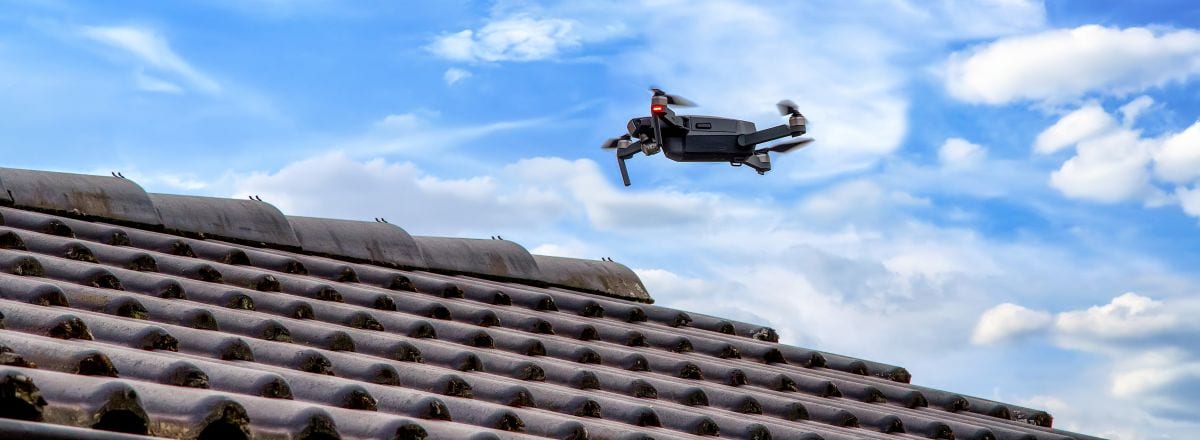
In the ever-evolving world of roofing technology, drone roof inspection has emerged as a game-changer for homeowners, contractors, and insurance companies alike. This innovative approach harnesses the power of unmanned aerial vehicles to assess rooftops with precision, speed, and safety. If you’re interested in exploring how modern tools can simplify maintenance and damage assessment, you might want to learn more about advanced general roofing services that integrate this groundbreaking technology.
- Understand what drone roof inspection entails and why it matters
- Discover the benefits of using drones for roof assessments
- Explore the step-by-step process of drone inspection
- Learn key considerations and limitations of this technology
- Find out how drone inspections fit into modern roofing solutions overall
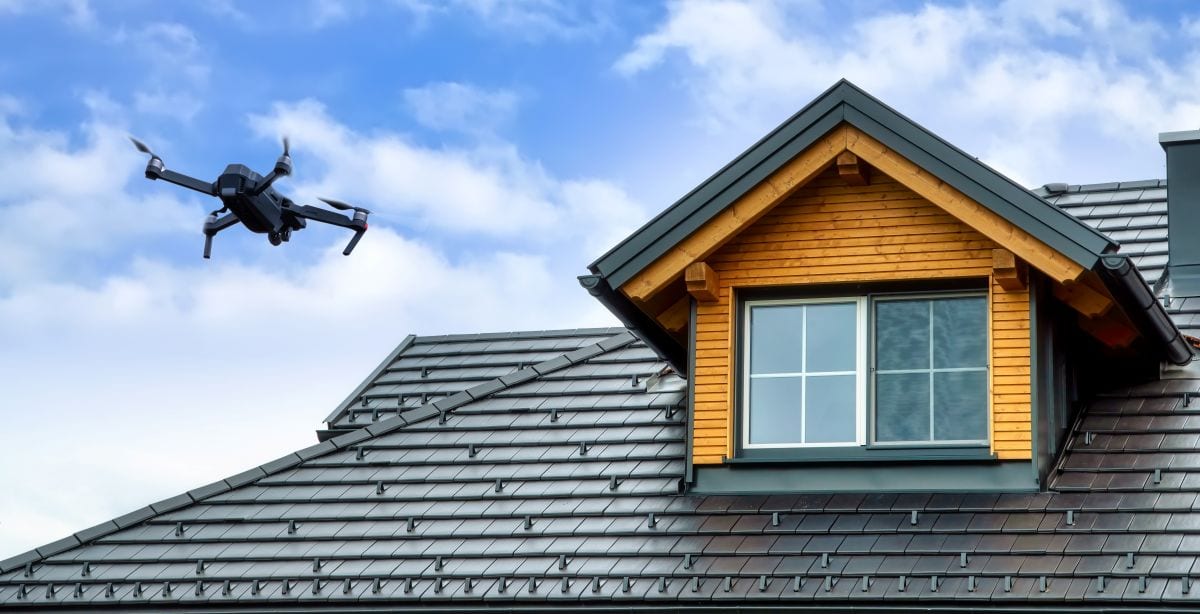

Why Drone Roof Inspections Are Transforming Roofing Practices
Drone roof inspection is reshaping how roofing professionals approach maintenance and damage evaluation. Unlike traditional methods that often involve ladders, scaffolding, or even climbing onto precarious surfaces, drones offer a safer and more efficient alternative. Their ability to access hard-to-reach areas quickly and capture high-resolution images provides a comprehensive view of a roof’s condition.
- Safety enhancements: Reduces risk by minimizing the need for human inspectors to climb roofs
- Time efficiency: Completes inspections much faster than manual inspections
- Accuracy and detail: Captures detailed images and videos for thorough evaluations
- Cost-effectiveness: Lowers labor and equipment costs related to traditional inspection methods
- Versatility: Suitable for a variety of roof types and sizes, even those with complex structures
7 Key Steps Involved in a Drone Roof Inspection
The process of conducting a drone roof inspection is methodical and technology-driven. Understanding each step helps clarify why this method is rapidly gaining traction in residential and commercial roofing sectors.
1. Pre-Inspection Planning
Professionals assess the site, check local drone regulations, and create a custom flight path that ensures full roof coverage.
- Site assessment: Identifies access points and potential obstacles
- Flight path mapping: Ensures comprehensive visual coverage
2. Drone Equipment Preparation
Before takeoff, the drone is checked for full battery power, proper calibration, and appropriate camera settings.
- Ensures high-resolution capture and flight stability
3. Performing the Flight
A certified operator pilots the drone over the roof while collecting high-quality images and video from multiple angles.
- Visual documentation is the core of this inspection process
4. Data Collection and Storage
All visual data is saved securely and organized for analysis.
- Reduces chance of oversight during follow-up review
5. Detailed Roof Analysis
Roofing experts evaluate the footage to identify wear, damage, or unusual patterns not visible from the ground.
- Pinpoints problem areas with precision
6. Reporting
Clients receive a detailed report with annotated photos, observations, and recommendations for repairs or additional inspections.
- Enables clear communication between homeowner and contractor
7. Follow-Up Actions
Based on findings, roofers can plan repairs, schedule further inspections, or update maintenance records.
- Helps keep roofs in top shape year-round
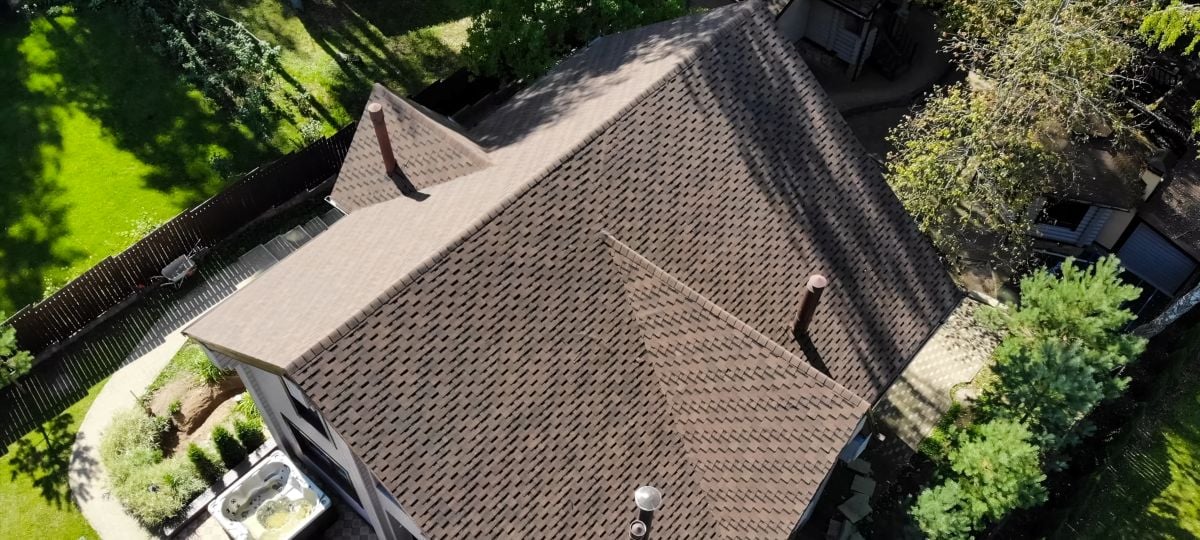

Beyond The Basics: Additional Insights on Drone Roof Inspection
While drone roof inspection offers many advantages, there are several nuanced factors that users and professionals need to consider for optimal outcomes.
- Weather dependence: Wind, rain, or extreme temperatures can impact flight safety and image clarity
- Privacy considerations: Drone pilots must respect property lines and local regulations
- Technical skills required: Operators need FAA certification and training for legal, safe operation
- Data integration: Many companies now use software to turn drone data into 3D models or predictive maintenance plans
- Limitations: Complex roofing materials or heavy tree cover may obstruct visibility
The Future of Drone Roofing Technology
As drone use becomes more widespread in the roofing industry, new advancements are emerging to expand its potential. From automated inspections to real-time diagnostics, here’s what’s coming next.
Real-Time AI Analysis
Drones are beginning to use onboard AI to detect issues like cracked shingles or ponding water instantly—no waiting for manual review.
Thermal Imaging Integration
Some drones now capture infrared data, helping identify hidden moisture beneath the roof surface that isn’t visible with traditional cameras.
Enhanced Roof Mapping
Advanced mapping software turns drone imagery into 3D models and detailed diagrams for repair planning and project tracking.
Drone Roof Inspection Compared to Traditional Methods
Modern drone inspections offer a clear contrast to traditional hands-on methods. The table below illustrates how they compare across key categories:
| Aspect | Drone Roof Inspection | Traditional Roof Inspection |
| Safety | Minimal physical risk; remotely operated | Higher risk from climbing ladders and roof surfaces |
| Speed | Often completed in under an hour | Can take several hours depending on roof complexity |
| Detail & Accuracy | High-resolution images identify even minor issues | Limited by human visibility and vantage point |
| Cost | Lower labor and equipment costs over time | Higher costs due to labor intensity and gear needs |
| Accessibility | Easily inspects tough or dangerous areas | May be limited by safety or physical access issues |
Frequently Asked Questions About Drone Roof Inspections
As drone technology becomes more common, many homeowners have questions about how it fits into their roofing needs. Here are a few of the most common.
- Are drone roof inspections accurate? Yes. They provide highly detailed visuals and help detect damage that may be missed in manual checks.
- Is drone inspection safe for my property? Absolutely. Drones operate without touching the roof and are guided remotely by trained pilots.
- Can drone inspections replace all traditional inspections? Not always. In some cases, close-up physical checks are still needed to confirm damage beneath the surface.
- Do I need special permission to have a drone fly over my home? Reputable roofing companies handle all legalities and permissions required for flight in your area.
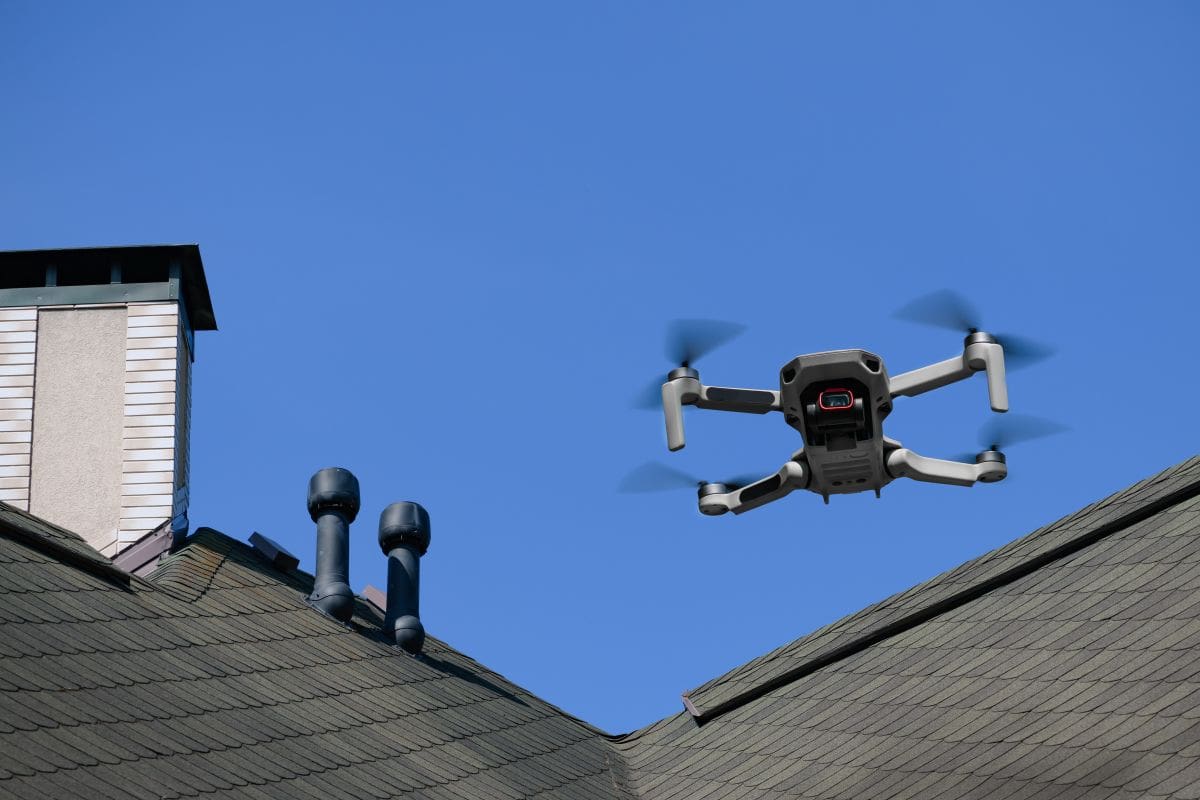

Taking Advantage of Drone Roof Inspection Today
As drone technology continues to enhance the roofing industry, embracing these innovations is crucial to maintaining safe and sturdy roofs. Montana understands the importance of modern methods and is ready to assist clients in leveraging drone roof inspections for accurate assessments and peace of mind.
If you want to explore how this technology can benefit your roof maintenance or repair plan, contact us today to schedule a consultation with Montana. Protect your investment through smarter, safer inspections backed by expert guidance.