
Water damage rarely announces itself right away, which is exactly why so many homeowners miss the early warning signs until repairs become far more expensive. Scheduling a roof leak inspection at the first hint of trouble is one of the most effective ways to protect your home before minor issues turn into structural damage. Many homeowners first notice something is off during a routine check of a full roofing evaluation designed to catch problems early, which often reveals issues long before they become visible indoors. This guide covers the signs that mean it is time to call in a professional.
In this guide, you will learn:
- Why catching leaks early makes such a big difference in repair costs
- Eight signs that indicate you need a professional roof leak inspection
- What a thorough inspection typically involves
- How to compare DIY checks against a professional assessment
Why a Professional Inspection Helps Prevent Future Leaks
A small leak that goes unnoticed can spread into insulation, framing, and drywall long before it becomes visible on the ceiling. Catching issues early through a professional inspection protects both your home and your budget.
- Cost savings: Early detection typically costs far less to repair than waiting until water damage spreads to multiple areas.
- Structural protection: Prolonged moisture exposure can weaken roof decking, framing, and support structures over time.
- Mold prevention: Trapped moisture creates ideal conditions for mold growth, which can affect indoor air quality and health.
- Insurance documentation: A professional inspection provides documented evidence that can support insurance claims for storm or leak related damage.
- Peace of mind: Knowing your roof has been thoroughly checked removes the uncertainty that often comes with unexplained stains or drips.
Homeowners in Columbia Falls and surrounding areas often deal with heavy snow loads that can hide leak sources for months, making a professional inspection especially valuable before problems become severe.
8 Signs You Need a Professional Roof Leak Inspection
Some leak signs are obvious, while others are subtle enough to go unnoticed for a long time. Here are the most common indicators that it is time to schedule an inspection.
1. Water Stains on Ceilings or Walls
Brown or yellow stains are one of the clearest signs that water is finding its way into your home. Even a small stain can indicate a leak that has been active for some time.
- Stains that grow larger over time suggest an ongoing leak
- Stains near light fixtures or vents often point to flashing issues
- Multiple stains in different rooms can indicate a widespread problem
2. Damaged or Missing Shingles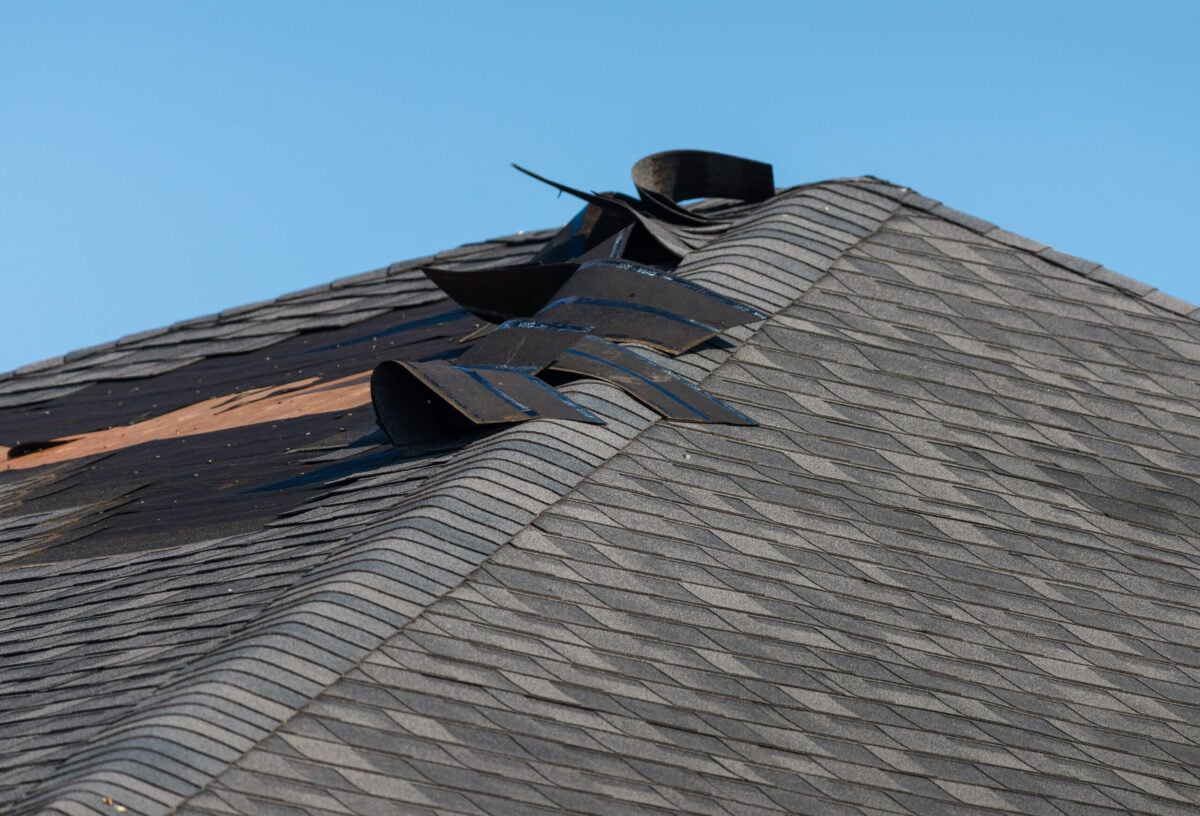
Damaged or missing shingles create direct entry points for water. Wind, age, and sun exposure all contribute to shingle deterioration over time.
- Curling edges often indicate age related wear
- Missing shingles are common after high wind events
- Cracked shingles may still look intact but no longer seal properly
3. Granules Collecting in Gutters
Asphalt shingles shed granules naturally over time, but a sudden increase often signals accelerated wear. This is one of the more overlooked signs that a roof may be nearing the end of its protective lifespan.
- Bald spots on shingles often accompany heavy granule loss
- Granule loss near valleys can indicate concentrated water flow damage
- A professional can determine whether granule loss is normal aging or a sign of bigger issues
4. Sagging Roof Deck or Ceiling
A sagging area on the roof or ceiling often points to trapped moisture that has weakened the underlying structure. This is one of the more serious signs and should never be ignored.
- Sagging near valleys often indicates prolonged water pooling
- Soft spots underfoot on the roof deck suggest rot
- Ceiling sagging indoors is a sign water has already penetrated deeply
5. Daylight Visible Through the Attic Roof Boards
If sunlight is visible through gaps in the attic, water can get through just as easily. This is a straightforward but often overlooked way to catch potential leak points.
- Small gaps around vents or chimneys are common culprits
- Nail holes from previous repairs can also let in light and moisture
- An attic inspection during daylight hours is a simple first check
6. Damaged or Deteriorating Flashing
Flashing seals the joints around chimneys, vents, and skylights, and it is one of the most common sources of roof leaks. Homeowners near Columbia Falls and surrounding areas often see flashing wear faster due to seasonal freeze thaw cycles.
- Rusted or corroded flashing loses its ability to seal properly
- Flashing that has pulled away from the roof surface allows direct water entry
- Improperly installed flashing can fail well before the rest of the roof
7. Musty Odors or Visible Mold
A persistent musty smell, especially in the attic or upper floors, often indicates hidden moisture. Mold growth is a strong sign that a leak has been active long enough to create a damp environment.
- Musty odors without a visible source often point to hidden leaks
- Mold on insulation or wood framing indicates prolonged moisture exposure
- Addressing the moisture source is necessary before mold remediation will hold
8. Higher Than Usual Energy Bills
Unexplained increases in heating or cooling costs can sometimes trace back to compromised insulation caused by a hidden leak. Wet insulation loses much of its effectiveness, forcing your system to work harder.
- Compare energy bills month over month for unexplained spikes
- Wet insulation often needs to be replaced rather than dried out
- An inspection can confirm whether insulation damage is contributing to the increase
What a Professional Leak Inspection Typically Involves
Understanding what happens during a professional inspection helps homeowners know what to expect and why it matters.
- Exterior assessment: Inspectors examine shingles, flashing, seams, and roof penetrations from the outside.
- Attic evaluation: A thorough inspection includes checking the attic for moisture stains, mold, or daylight visible through gaps.
- Moisture detection tools: Some inspectors use moisture meters or infrared cameras to detect dampness not visible to the naked eye.
- Problem area mapping: Inspectors identify and record specific problem areas so repairs can be targeted rather than guessed at.
- Insurance claim support: Photos and written notes provide documentation that can help when filing an insurance claim, and some policies offer better insurance cover when damage is clearly documented early.
- Repair recommendations: A good inspection concludes with a clear explanation of what needs attention and how urgently.
Homeowners in Columbia Falls and surrounding areas benefit from inspections timed around seasonal changes, particularly after heavy snow melt when hidden damage is more likely to surface.
Timing matters just as much as the inspection itself. Many roofing problems that developed during a harsh winter do not become obvious until warmer weather arrives and melting snow reveals where water has been collecting all along. Scheduling an inspection shortly after the spring thaw gives homeowners near Columbia Falls and surrounding areas a clearer picture of any damage before summer storms add further stress to a compromised roof.
DIY Checks Versus a Professional Leak Inspection
Many homeowners attempt a basic visual check before calling a professional, but there are important differences in what each approach can actually catch.
| Aspect | DIY Check | Professional Inspection |
| Visible surface issues | Can often spot | Can spot and assess severity |
| Hidden moisture behind walls | Difficult to detect | Often detected with specialized tools |
| Structural damage assessment | Not reliable | Trained evaluation available |
| Insurance documentation | Limited value | Provides credible documentation |
| Safety | Risk of injury on steep or wet roofs | Performed with proper safety equipment |
Cost consideration: A DIY check is free but can miss issues that end up costing more later if left unaddressed.- Accuracy: Professionals are trained to recognize subtle signs that homeowners often overlook.
- Safety: Climbing onto a roof without proper equipment carries real risk, especially on steep pitches or after snow.
- Long term value: A professional inspection often pays for itself by catching issues before they require major repairs.
While a quick visual check from the ground can be a helpful first step, it should not replace a thorough inspection when any of the signs above are present.
The right approach often depends on the situation. A homeowner who just wants a general sense of their roof’s condition might start with a visual walk around the exterior, checking for obvious shingle damage or sagging gutters. But once any of the eight warning signs mentioned earlier show up, moving straight to a professional inspection tends to save both time and money compared to guessing at the cause.
Avoiding Expensive Repairs From a Leaky Roof
A roof leak inspection is one of the simplest ways to protect your home from damage that can spread quietly for months without obvious warning signs. Recognizing the signs early and acting on them can save homeowners from expensive repairs and unnecessary stress down the road.
If you have noticed a leaking roof, a leaky roof odor, or any of these warning signs, our team is ready to help. Montana Roofing has helped homeowners throughout the region catch and resolve leaks before they become major problems. Reach out and contact us today to schedule a thorough inspection and get a clear picture of your roof’s condition.