Roof Wind Damage After a Storm: What to Do Next (2026 Guide)
A strong windstorm can leave a homeowner with a lot of unanswered questions and very little time to waste. Whether your area just experienced a severe weather event or you have spotted something off on your roof after high winds passed through, knowing the right steps to take matters enormously. Roof wind damage ranges from a few lifted shingles to major structural compromise, and the actions you take in the hours and days immediately after a storm can directly affect your repair costs, your insurance outcome, and the long-term health of your roof. If you needstorm damage roof repair in Montana, this guide gives you the full picture of what to do next.
Here’s what we’ll cover:
Immediate safety steps: What to do right after the storm before anything else
Recognizing wind damage: What to look for from the ground and inside your home
Documenting the damage: How to build a strong record for your insurance claim
Filing your insurance claim: What the process looks like and how to navigate it
Choosing a contractor: What separates a trustworthy local roofer from a storm chaser
Why Wind Damage Deserves Immediate Attention
Wind damage to a roof does not always announce itself with an obvious leak or visible hole. A few lifted shingles, loosened flashing, or a compromised ridge cap can all allow water to begin working its way into your roof system long before any interior signs appear. By the time water stains show up on your ceiling, the damage has typically spread well beyond the original entry point.
According to the Insurance Information Institute,about one in 35 insured homes has a property damage claim related to wind or hail each year, making it the most common cause of homeowner insurance claims in the country. Montana homeowners in areas like Columbia Falls know firsthand how quickly a windstorm can move through and how much damage it can leave behind. Acting quickly is not just good practice; it is the difference between a manageable repair and a much larger problem.
What Wind Does to a Roof
Understanding how wind damages a roof helps you know what to look for and why certain areas are more vulnerable than others. Wind does not simply push down on a roof — it creates uplift pressure by flowing over the roof surface and generating suction from above. This is why roofs often fail from the edges and corners inward rather than from the center outward.
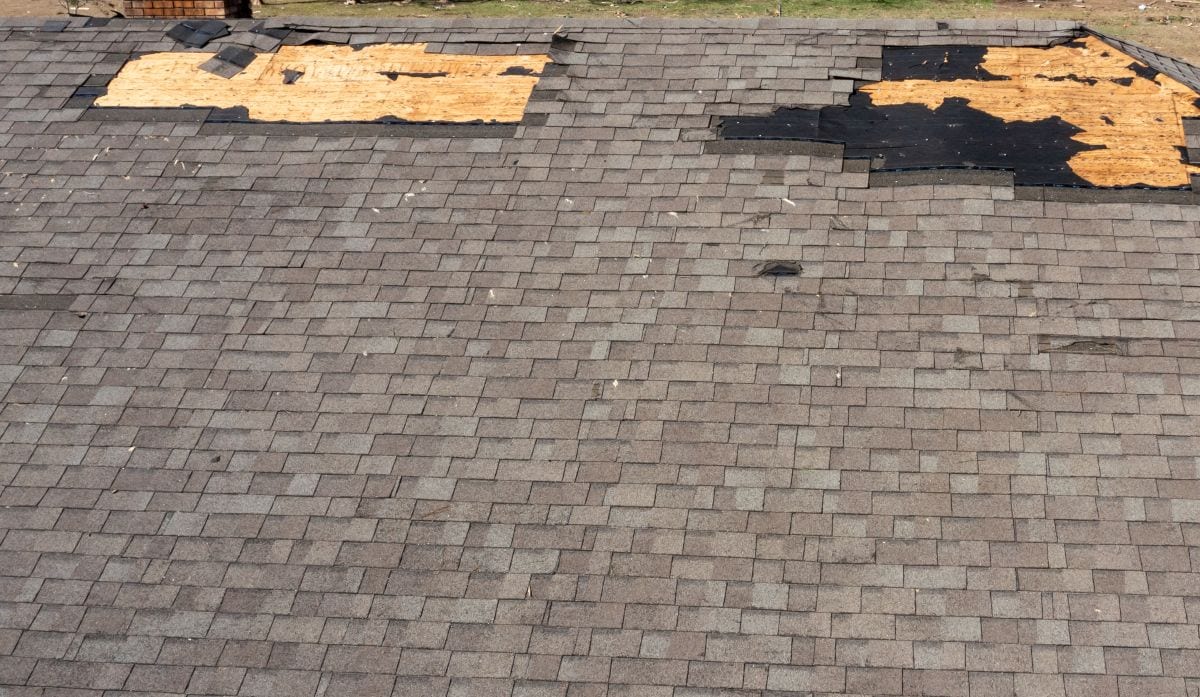
The most wind-vulnerable parts of any roof are the perimeter edges, ridge caps, valleys, and flashings. Shingles at the eaves and rakes are the first to lift when wind gets underneath the leading edge. Once a shingle lifts, wind pressure can tear it off entirely or crack it along the nail line, creating an immediate exposure point for moisture.
5 Steps to Take After Roof Wind Damage
Taking the right stepsin the right order gives you the best chance of a smooth repair process and a successful insurance claim. Skipping or rushing through any of these steps tends to create problems downstream.
1. Prioritize Safety Before Anything Else
Your first priority after a windstorm is personal safety, not damage assessment. Stay inside until the storm has completely passed and conditions are calm. Downed power lines, unstable trees, and debris on the ground are real hazards that make going outside dangerous before the all-clear. Never attempt to climb onto your roof immediately after a storm — wet shingles, wind-loosened materials, and compromised decking create serious fall risk even for experienced roofers.
Wait for full calm: Do not go outside to assess until wind has fully subsided and there are no active weather warnings for your area
Check for downed lines: Scan your yard and driveway for downed power lines before stepping outside; treat any downed line as live and dangerous
Interior check first: Walk through your home and check ceilings, attic access points, and upper floor walls for any signs of water intrusion before going outside
2. Document Everything From the Ground
Once conditions are safe, conduct a thorough ground-level assessment of your home before calling anyone. The documentation you gather in the first hour after a storm is some of the most valuable material you will have for your insurance claim.
Photograph every side of the roof: Walk the full perimeter of your home and photograph each slope, looking for missing shingles, lifted edges, exposed decking, and debris impact
Document gutters and metal components: Dented gutters, bent flashing, and displaced ridge caps all help establish the severity of the wind event
Check downspouts for granules: Significant granule accumulation following a windstorm indicates shingle surface damage even when impact is not visible from the ground
Record the date and time: Note when the storm occurred and save any local weather alerts or news coverage confirming the event
3. Protect Your Home From Further Damage
If your roof has visible openings, missing shingles over a large area, or any sign of active water entry, temporary protection is the right next step before waiting for a professional inspection. Most insurance policies require homeowners to take reasonable steps to prevent further damage after a covered event.
Tarping exposed areas: A properly secured tarp over missing shingles or exposed decking prevents rain from entering while you wait for professional repair
Move valuables away from leak points: If water is actively entering through the ceiling, move furniture, electronics, and valuables away from the affected area and use buckets to collect water
Avoid making permanent repairs before the claim: Do not authorize any permanent repair work until your insurance adjuster has had the opportunity to document the damage in its original state
4. Call Your Insurance Company
Once you have documented the damage and secured any immediate vulnerabilities, contact your homeowner’s insurance company to begin the claims process. Have your documentation ready — photos, storm date, and a description of visible damage — before you make the call.
File promptly: Most policies require claims to be reported within a reasonable timeframe after the storm; delaying can complicate your claim
Request a claim number: Get a claim number and adjuster contact information at the start of the process so you have a clear point of contact for follow-up
Do not authorize repairs before the adjuster visits: Your adjuster needs to see the damage as it was caused by the storm, not after repairs have altered it
5. Schedule a Professional Roof Inspection
A professional roof inspection is essential both for your insurance claim and for understanding the full scope of what the wind did to your roof. Wind damage is not always visible from the ground. A trained roofing professional can identify lifted shingle tabs, cracked nail strips, loosened flashings, and compromised underlayment that ground-level observation simply cannot reveal.
Inspection before repairs: Always get a professional inspection before authorizing any repair work; this ensures nothing is missed and gives you documentation for your claim
Written damage report: Ask your contractor for a written inspection report that details every area of damage; this report supports your insurance claim and establishes a clear scope of work
Adjuster coordination: A reputable contractor will meet with your insurance adjuster on-site and advocate for a complete and accurate damage assessment
Recognizing Wind Damage: What to Look For
Knowing the visual signs of wind damage helps you communicate clearly with your contractor and your adjuster. Not every sign of damage is obvious, and some of the most consequential damage is easy to miss without knowing what to look for.
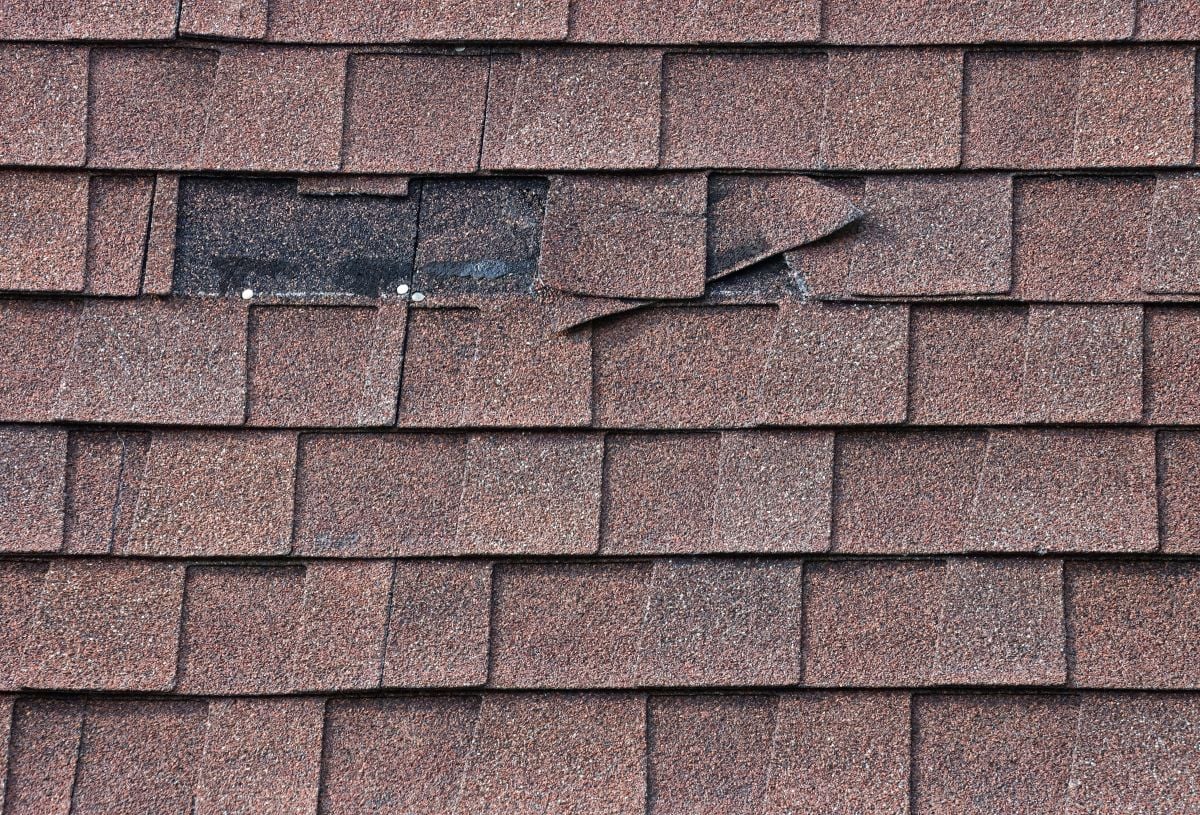
Missing shingles: Gaps in shingle coverage are the most obvious sign and create immediate risk of water intrusion at the exposed decking
Lifted or curling shingle edges: Shingles that have been partially lifted by wind may lay back down but are no longer properly sealed and will catch wind again in the next storm
Cracked or split shingles: Wind stress along the nail line can crack shingles without fully removing them, creating hidden entry points for moisture
Damaged ridge caps: Ridge cap shingles sit at the peak of the roof and are among the most exposed components; missing or lifted ridge caps are a common wind damage indicator
Loose or displaced flashing: Metal flashing around chimneys, skylights, and roof edges is frequently loosened by wind and is a primary entry point for water when compromised
Interior water stains: New water stains on ceilings or walls following a windstorm are a reliable indicator that the roof has been breached somewhere above
Wind Damage and Insurance: Key Things to Know
Montana homeowners dealing with wind damage need to understand a few important things about how insurance handles these claims before diving into the repair process.
Most standard homeowner’s insurance policies cover sudden wind damage as a covered peril. However, policies distinguish between sudden storm damage and gradual wear or pre-existing conditions. A roof that was already in poor condition before the storm may receive a reduced payout or face a denial on portions of the claim. This is why maintaining your roof and keeping records of any prior professional inspections matters when a claim eventually arises.
ACV vs. RCV policies: Actual Cash Value policies pay based on your roof’s depreciated value; Replacement Cost Value policies pay what it costs to replace the damaged material regardless of age
Hail deductibles: Some Montana policies carry a separate percentage-based deductible specifically for wind and hail claims; review your policy before filing
Pre-existing condition exclusions: Damage that predates the storm or results from long-term neglect may be excluded; a professional inspection report helps clearly separate storm damage from prior wear
Common Questions About Roof Wind Damage
Here are direct answers to the questions we hear most often from Montana homeowners after a windstorm.
How do I know if my roof has wind damage if I cannot see anything obvious?
Ground-level observation misses a significant portion of wind damage. Lifted shingle tabs, cracked nail strips, and compromised flashings are often invisible from the ground. Interior signs like new ceiling stains, musty attic odors, or visible daylight in the attic space are all indicators of roof breach even when the exterior looks intact. A professional inspection after any significant wind event is the only reliable way to rule out hidden damage.
Should I get a roof inspection before filing an insurance claim for wind damage?
Yes. Having a professional inspection report in hand before you contact your insurance company puts you in a stronger position. The report documents exactly what was damaged and ties it to the storm event, which supports your claim and helps ensure the adjuster’s assessment is complete. Your contractor should be willing to meet the adjuster on-site and advocate for a thorough evaluation.
How long do I have to file a wind damage insurance claim in Montana?
Most homeowner’s insurance policies allow one to two years from the date of the storm to file a claim, but timelines vary by policy. Filing sooner is always better. Delays make it harder to tie the damage to a specific storm event, and insurers may argue that late-reported damage was caused by neglect rather than the storm.
What is the difference between wind damage and normal wear and tear on my roof?
Wind damage is typically characterized by sudden, forceful impact: missing shingles, creased or cracked shingle tabs, displaced ridge caps, and loosened flashings that were previously secure. Normal wear and tear shows up as gradual granule loss, curling or cupping shingles across the entire roof, and weathering consistent with age. A professional inspector can clearly distinguish between the two and document findings in a way that supports your insurance position.
Montana Roofing Solutions Is Ready When the Storm Clears
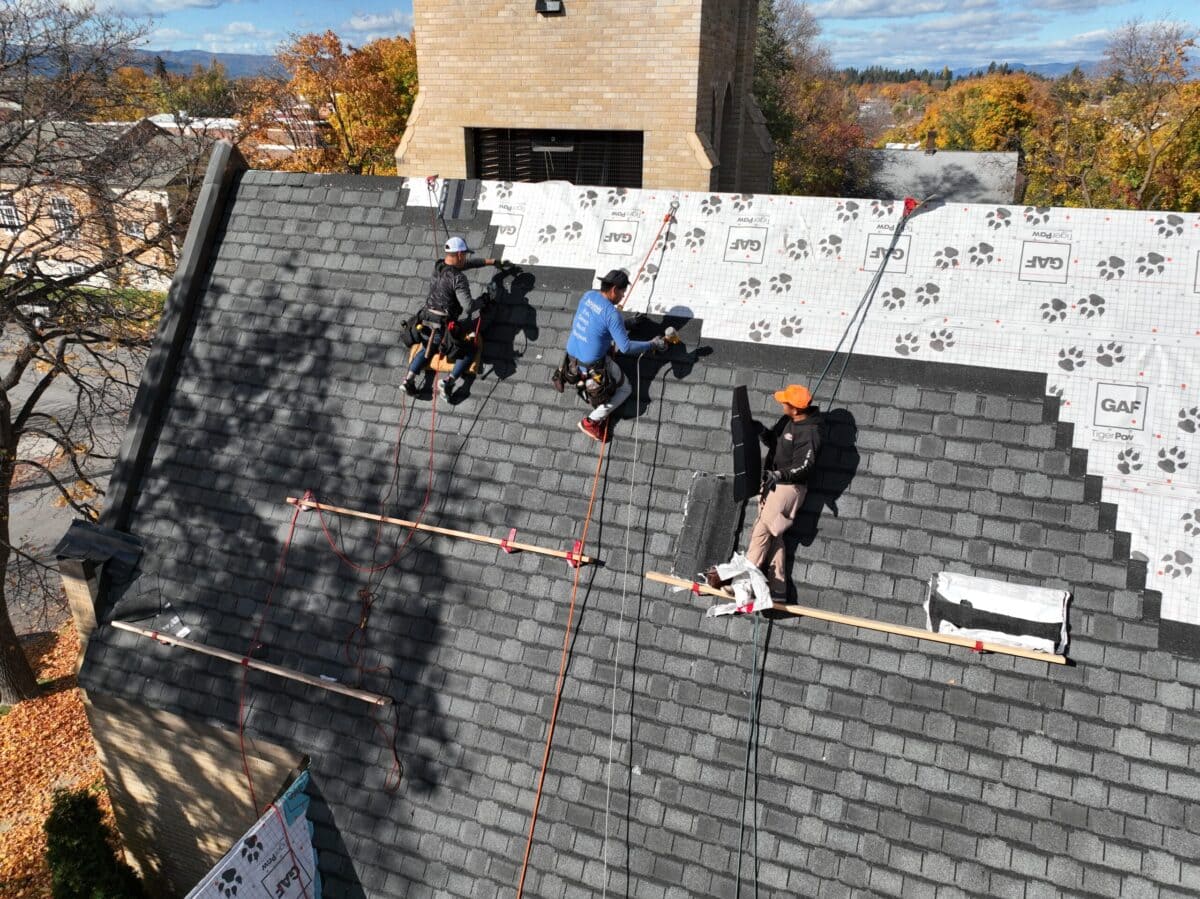
When wind damages your roof, the clock starts immediately. At Montana Roofing Solutions, we respond quickly to storm events across Montana, providing thorough inspections, detailed damage documentation, and professional repairs that hold up through whatever the next season brings.
We’re proud to serve homeowners and business owners in Columbia Falls, MT, and surrounding communities with expert storm damage inspections, wind damage roof repairs, and insurance claim support. We work alongside your insurance adjuster and handle the process from inspection to final repair so you can focus on getting your home back to normal.Contact Montana Roofing Solutions today to schedule your storm damage inspection.