Solar Panel Roofs: 8 Things You Should Know Before Installing
Thinking about making the switch to solar? It is one of the most significant investments a homeowner can make, and the decision involves a lot more than simply picking a panel and scheduling installation. Understanding solar panel roofs from the ground up — the costs, the structural requirements, the long-term performance, and how they interact with your existing roof — gives you the confidence to move forward on your own terms. If you are consideringsolar roofing for your home, this guide covers the eight things that matter most before you sign anything.
Here’s what we’ll cover:
Roof condition and compatibility: Why your existing roof needs to be evaluated first
System types: The difference between traditional solar panels and integrated solar roofing
Cost and financing: What to expect and what incentives have changed
Energy output in Montana: How sun exposure and weather affect your system’s performance
Installation process: What actually happens from assessment to activation
Long-term performance: How panels degrade over time and what warranties cover
Impact on your roof: What solar installation means for your roofing system
Choosing the right installer: What qualifications and questions matter most
Why Solar Is Worth Thinking Through Carefully
Solar roofing is not a one-size-fits-all decision, and the details matter. The wrong system on the wrong roof can underperform for decades, create warranty complications, or lead to leaks and structural issues that cost far more to fix than the energy savings are worth. At the same time, a well-planned solar power installation on a sound roof in a location with good sun exposure can significantly reduce energy bills and add real value to your home.
Montana homeowners considering solar have a specific set of variables to work through. Sun hours, roof orientation, shading from surrounding trees or terrain, and the demands of the local climate all factor into how well a solar system will perform in Missoula compared to somewhere in the Southwest.
8 Things You Should Know Before Installing Solar Panel Roofs
Taking the time to work through each of these points before committing to a solar installation puts you in a much stronger position as a buyer and a homeowner.
1. Your Roof’s Condition Has to Come First
Before any solar equipment goes on your roof, the condition and remaining lifespan of that roof needs to be assessed by a qualified roofing professional. Installing solar panels on a roof with aging asphalt shingles that need replacement in five years means removing and reinstalling the entire system when the time comes, which adds thousands of dollars in labor costs and complicates the project significantly. If your roof is approaching the end of its lifespan, replacing it before solar installation is the smarter sequence.
Remaining lifespan check: A roof with fewer than 10 years of life remaining should typically be replaced before solar installation begins
Structural load capacity: Solar panels add weight to your roof structure, and older or damaged decking may need reinforcement before installation
Existing leak points: Any active leaks or compromised flashing must be addressed before panels go up, as solar installation can mask developing problems
2. Understand the Difference Between Panel Types
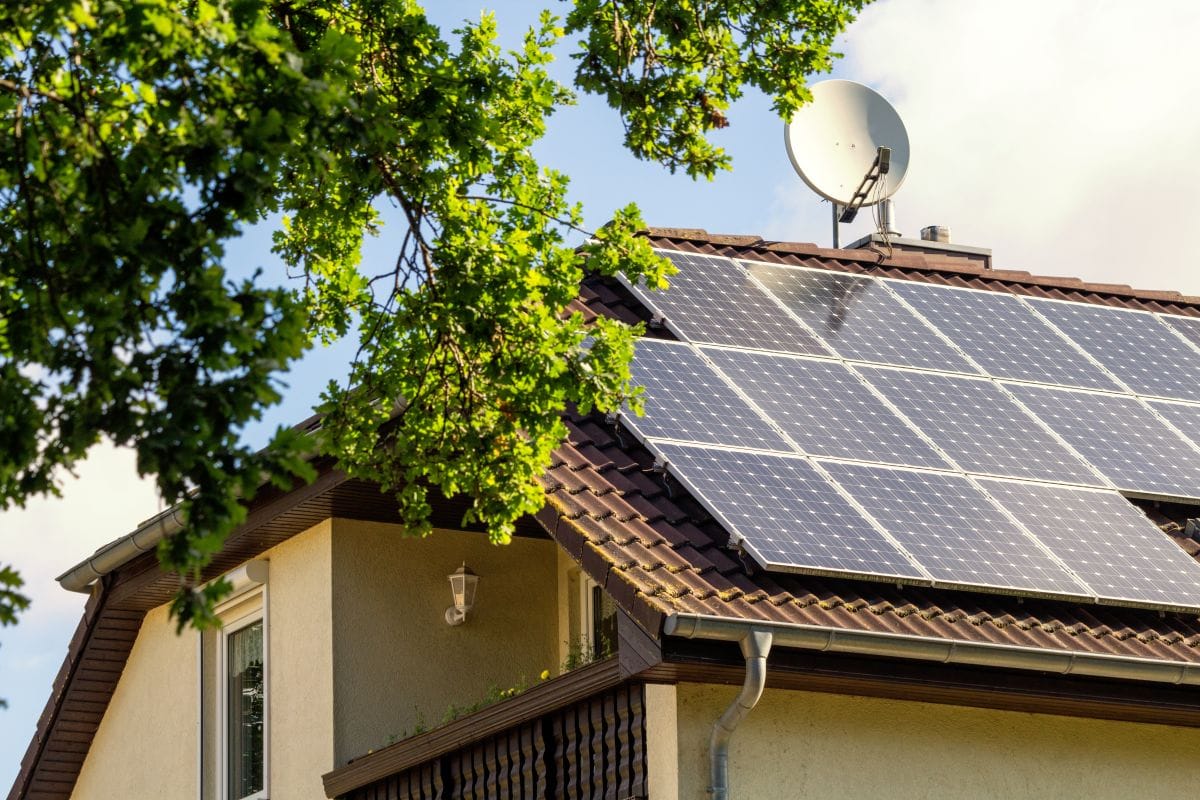
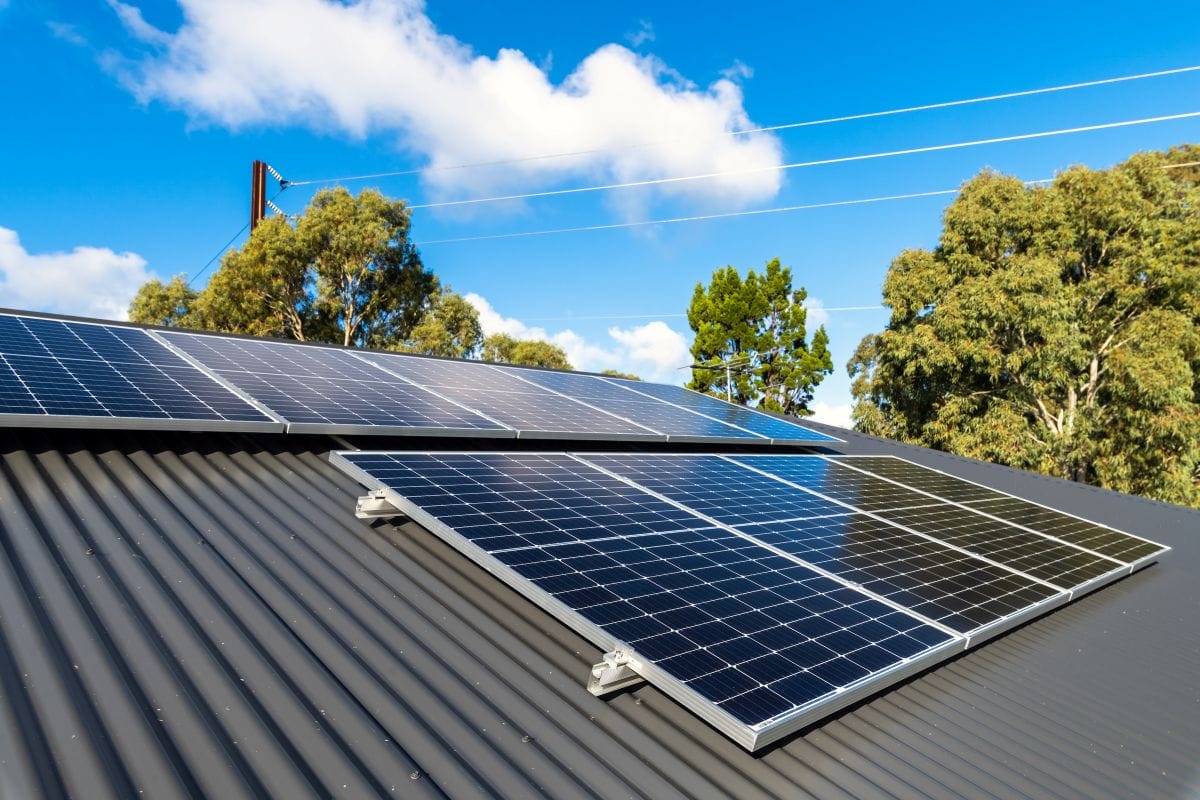
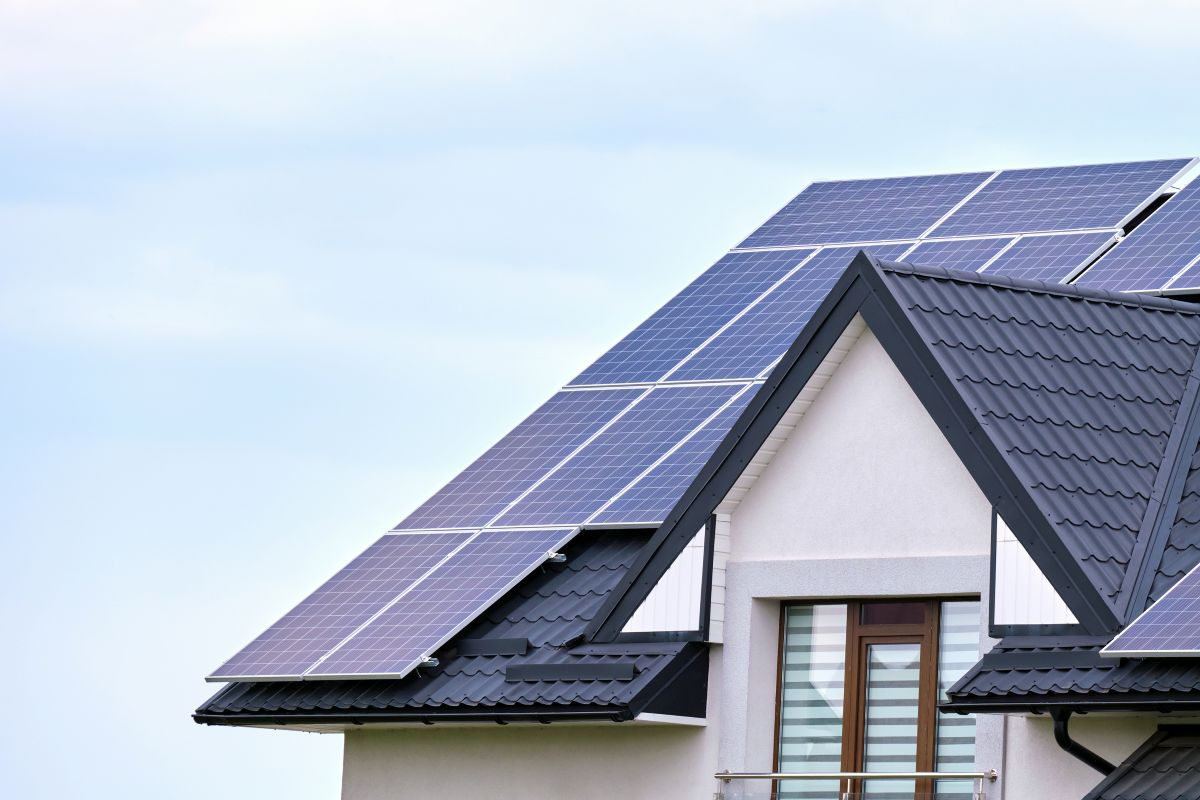
There are two fundamentally different approaches to solar roofing, and they are not interchangeable. Traditional solar panels are mounted on racking systems above your existing asphalt shingles or other traditional roofing materials, leaving the original roof intact beneath them. Integrated solar roofing uses solar shingles, like theTesla Solar Roof, which replace your existing shingles entirely with solar tiles that serve as both the roofing material and the energy-generating system. Each has a distinct cost profile, aesthetic, and installation process.
Mounted solar panels: Lower upfront cost, suitable for most roof types, and can be removed and reinstalled during roof replacement
Integrated solar roofing: Higher upfront cost but replaces the roof entirely, eliminating the need for a separate roofing project and producing a cleaner finished appearance
Performance comparison: Both systems can generate comparable energy output; the choice is often driven by budget, aesthetics, and whether the existing roof needs replacement anyway
3. Know What the Financial Incentives Look Like Now
The financial landscape for solar has shifted. The federal Residential Clean Energy Credit, which allowed homeowners to claim 30% of solar installation costs as a federal tax credit, expired at the end of 2025 as part of recent federal legislation. Homeowners who completed installations before December 31, 2025 were eligible; installations completed after that date do not qualify for the federal credit as it currently stands. Most solar shingles and solar products that function as both roofing and energy-generating systems were eligible under the credit, making that distinction important for anyone reviewing past or future project costs.
Federal tax credit status: Expired December 31, 2025; installations after that date do not qualify for the 30% federal credit as currently structured
Montana state incentives: State-level programs and utility rebates may still reduce your net installation cost; verify current availability with your installer
Financing options: Many solar installers offer financing that allows you to offset installation costs with monthly energy savings from day one
4. Montana Sun Exposure Is Better Than Most People Assume
A common misconception is that Montana does not get enough sun to make solar power worthwhile. In reality, Montana receives a solid number of peak sun hours annually, particularly in the western and central parts of the state. Missoula and the surrounding region see enough annual solar radiation to make residential solar systems financially viable, especially when combined with net metering programs that allow excess power output to flow back to the grid.
Peak sun hours: Montana averages around 4 to 5 peak sun hours per day in many areas, comparable to parts of the Midwest and Pacific Northwest where solar adoption is strong
Net metering: Montana’s net metering policy allows homeowners to receive credit for excess energy their system generates and sends back to the grid, improving the financial return
Roof orientation: South-facing roofs at a pitch between 15 and 40 degrees capture the most energy; east and west-facing roofs still perform well with modest output reductions
5. The Installation Process Has Multiple Stages
Understanding what the installation process involves helps you plan accurately and avoid surprises. A solar installation is not a single-day event. From initial assessment to system activation, the process typically spans several weeks and involves multiple parties including your installer, your utility company, and local permitting authorities.
Site assessment: Evaluates roof condition, structural capacity, shading, and orientation to determine system size and placement
Design and permitting: Your installer submits system designs for local building permits and utility interconnection approval, which can take two to four weeks
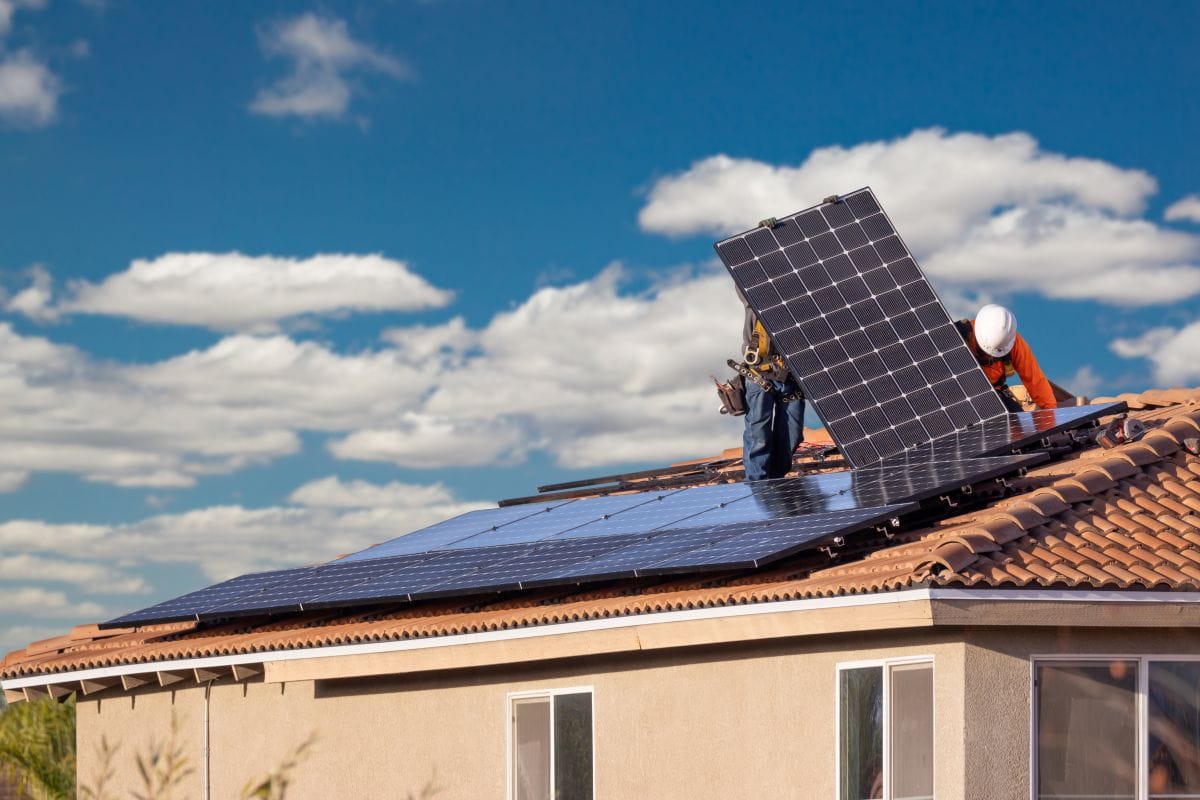
Installation day: Physical installation of racking, panels, wiring, and inverter typically takes one to two days for a standard residential system
Inspection and activation: Local inspectors must sign off before your utility activates the system for grid connection and net metering
6. Solar Panels Degrade Slowly but Predictably
Solar panels do not stop working after 25 years — they simply produce a little less energy each year as the cells gradually degrade. According to the National Renewable Energy Laboratory, modern solar panels lose between 0.5% and 0.8% of their power output annually, meaning a well-maintained system will still produce approximately 87% to 88% of its original capacity after 25 years. Most quality panel manufacturers back this performance with production warranties guaranteeing at least 80% output at the 25-year mark.
Degradation rate: 0.5% to 0.8% per year on average for modern panels, with premium products performing toward the lower end of that range
Production warranty: Covers minimum energy output over 25 years; read the fine print to understand what percentage of original output is guaranteed and at what intervals
Workmanship warranty: Separate from the production warranty, this covers defects in materials and installation; terms vary widely between installers
7. Solar Installation Affects Your Roof in Ways You Need to Understand
Mounting solar panels to your roof involves penetrating the roof surface to anchor racking systems. Done correctly by a qualified installer, these penetrations are properly flashed and sealed and do not create leak risk. Done poorly, they become entry points for water. This is one of the primary reasons why working with an installer who is also an experienced roofing professional, or who partners closely with one, matters significantly.
Penetration flashing: Every mounting point must be properly flashed and sealed using roofing-grade materials to prevent water infiltration over the system’s lifespan
Warranty interaction: Many roofing material manufacturers require that any roof penetrations be made by a licensed roofing contractor to preserve the material warranty
Panel removal for repairs: If a section of roof beneath the panels ever needs repair, panels must be removed first, which adds cost and complexity to any future roofing work
8. Choosing the Right Installer Is the Most Important Decision
The quality of your solar installation determines whether the system performs as promised, holds up through Montana winters, and integrates properly with your roof. Certifications, local experience, and roofing knowledge are the key differentiators. An installer who is also qualified in roofing brings a level of oversight to the penetration and flashing work that a solar-only installer may not.
Tesla Solar Roof certification: For integrated solar roofing products, certification from the manufacturer is a baseline requirement that not all installers hold
Local track record: Installers with completed projects in Montana understand the climate, local permitting processes, and utility interconnection requirements specific to the region
Combined roofing and solar expertise: Working with a contractor who handles both roofing and solar in-house reduces coordination risk and preserves roofing warranties
Solar Panel Roofs at a Glance
Here is a side-by-side look at the two primary solar roofing approaches to help frame the decision.
Factor
Mounted Solar Panels
Integrated Solar Roofing
Upfront cost
Lower
Higher
Replaces existing roof
No
Yes
Aesthetics
Panels visible above shingles
Seamless, tile-like appearance
Best for
Roofs in good condition
Roofs needing replacement
Removal for roof repairs
Required
Not applicable
Installation complexity
Moderate
Higher
Energy output
Comparable
Comparable
Common Questions About Solar Panel Roofs
Homeowners considering solar tend to come in with the same set of questions. Here are direct answers to the ones we hear most often.
How do I know if my roof is ready for solar?
A professional inspection is the starting point. Your contractor will assess the age and condition of your shingles, the structural integrity of your decking and framing, and the orientation and pitch of your roof. Roofs with significant remaining lifespan, good structural integrity, and a south or southwest-facing orientation are the best candidates for mounted solar panels. If your roof is aging, integrated solar roofing that replaces the system entirely may be the more practical path.
Does solar add value to my home in Montana?
Generally yes, though the amount varies by market and system size. Studies consistently show that homes with owned solar systems sell at a premium over comparable homes without solar. The key word is “owned” — leased systems can complicate the sale process, as buyers must either assume the lease or the seller must buy it out before closing.
How long before a solar system pays for itself?
Payback periods vary based on system cost, local electricity rates, sun exposure, and available incentives. In Montana, payback periods for residential solar typically range from 10 to 15 years depending on system size and energy usage. A net metering program that credits excess production can meaningfully shorten that timeline.
What happens to my solar panels in heavy snow?
Snow will temporarily reduce or eliminate energy production until it clears. Most mounted solar panels are installed at an angle that encourages natural snow shedding, and the panels themselves generate a small amount of heat that helps accelerate melting. Deep snow accumulation does not typically damage panels, but production loss during Montana winters is a factor to account for in your annual energy output projections.
We’re proud to serve homeowners in Missoula, MT, and nearby communities with certified Tesla solar roofing installations, expert roof assessments, and the local knowledge that makes solar projects in Montana go smoothly.
Montana Roofing Solutions: Your Solar and Roofing Partner
Solar roofing is as much a roofing project as it is an energy project, and the two should never be treated separately. At Montana Roofing Solutions, we bring certified solar installation expertise and professional roofing knowledge together under one roof, so every penetration is properly flashed, every warranty is protected, and your system is built to perform through Montana’s demanding climate.Contact Montana Roofing Solutions today to schedule your free solar and roofing assessment.