Does a Black Roof Make Your House Hotter? 6 Things for Homeowners to Know
If you are shopping for new shingles or thinking through a full roof replacement, roof color is probably part of the conversation. It is a fair question that comes up constantly: does a black roof make your house hotter? The short answer is yes, darker roofs absorb more heat than lighter ones. But the full picture is more nuanced than a simple yes or no, and for homeowners in Montana, there are some real advantages to dark shingles that the question does not account for on its own. Before you make a decision, Montana Roofing Solutions wants to make sure you have all the information you need to choose theright roof for your home and climate.
Here’s what we’ll cover:
How roof color affects heat absorption: The science behind dark vs. light shingles
Montana’s climate factor: Why black roofs behave differently in cold regions
Attic ventilation and insulation: Why these matter more than color alone
Energy efficiency options: How modern shingles reduce heat gain regardless of color
Roof color vs. curb appeal: Balancing performance with aesthetics
When to consult a roofing professional: Making the best decision for your specific home
The Science Behind Roof Color and Heat
The relationship between roof color and home temperature comes down to basic physics. Dark surfaces absorb more solar radiation and convert it to heat, while lighter surfaces reflect more of that radiation back into the atmosphere. This principle applies to roofing just as it does to clothing, pavement, and any other surface exposed to sunlight.
For residential roofing, this means a black or dark charcoal shingle will absorb significantly more heat from the sun than a white or light gray shingle on the same home. That absorbed heat raises the temperature of the roof surface and, if not properly managed through ventilation and insulation, transfers into the attic and eventually the living spaces below.
6 Things Homeowners Should Know About Black Roofs and Heat
Understanding the full picture helps you make an informed decision rather than reacting to one factor in isolation. These six points cover what actually drives home temperature and where roof color fits into that equation.
1. Black Roofs Do Absorb More Heat
The heat absorption difference between dark and light roofs is real and measurable. According to ENERGY STAR,a clean white roof reflecting 80% of sunlight stays about 50 degrees Fahrenheit cooler than a grey roof reflecting only 20% of sunlight on a typical summer afternoon. Scale that to a black roof with even lower reflectance and the surface temperature gap widens further. That heat does not disappear at the roof surface. Without adequate attic ventilation, it accumulates and pushes into the living areas below, making your cooling system work harder.
Surface temperature: Black shingles can reach significantly higher temperatures on hot sunny days compared to light-colored alternatives
Heat transfer path: Elevated roof surface temperatures warm the attic air, which then conducts heat through the ceiling into living spaces
Cooling load impact: Homes with poorly ventilated attics and dark roofs typically see higher air conditioning energy use during warm months
2. Montana’s Climate Changes the Calculus
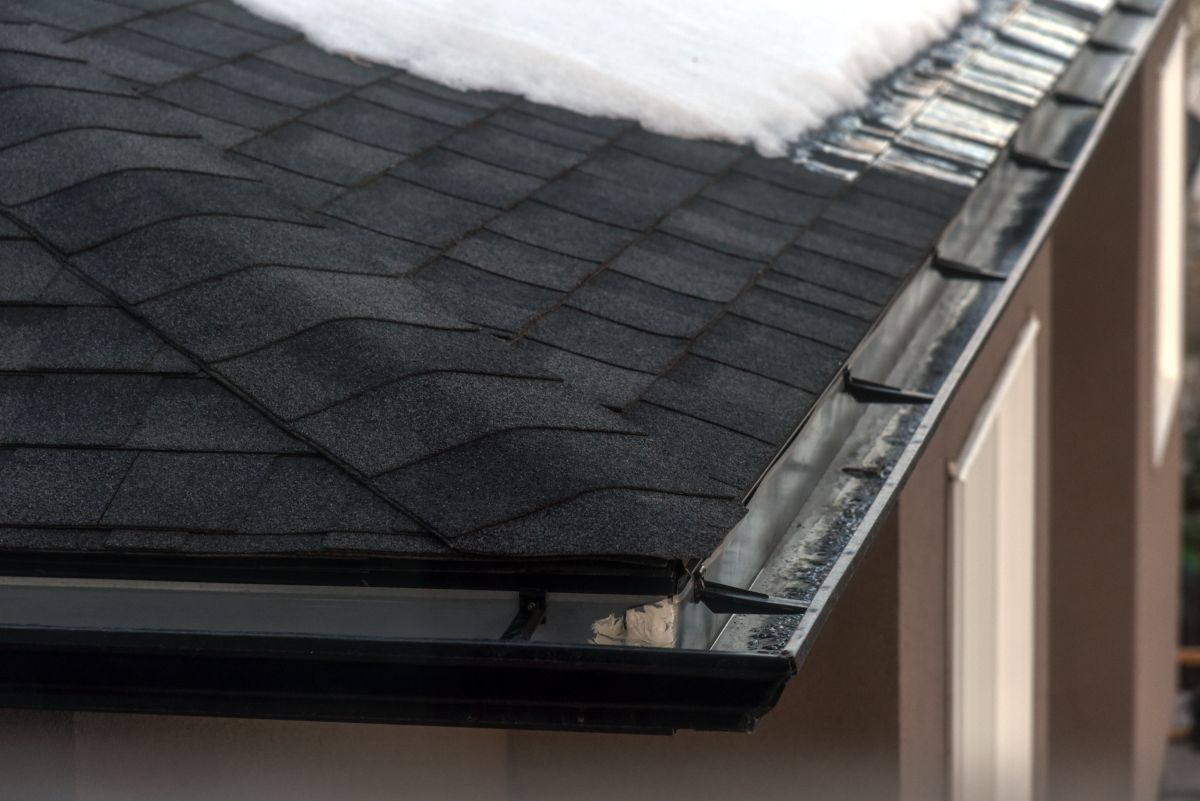
Here is where the conversation gets more interesting for homeowners in a four-season climate. Montana winters are long, cold, and demanding on heating systems. A black roof’s tendency to absorb heat is actually a meaningful advantage during those months. Dark shingles help melt snow more quickly, reducing the risk of ice dams and structural load from snow accumulation. They also absorb solar heat during the day and release it gradually, which helps stabilize roof temperature and reduce freeze-thaw cycling on your shingles.
Snow melt benefit: Dark roofs absorb more solar energy in winter, accelerating snow melt and reducing ice dam formation
Heating season offset: The heat gain from a black roof in winter can reduce heating demands, partially offsetting any summer cooling penalty
Freeze-thaw reduction: More stable roof temperatures mean fewer cycles of freezing and thawing, which is a primary driver of shingle wear in Montana
3. Attic Ventilation Matters More Than Color
Roof color gets a lot of attention in this conversation, but attic ventilation is the more important variable when it comes to how much heat actually makes it into your home. A well-ventilated attic with properly installed ridge vents, soffit vents, and an adequate air barrier allows heat to escape before it transfers through the ceiling. A poorly ventilated attic traps heat regardless of what color shingles are above it, and that problem compounds in summer regardless of roof color.
Ridge vents: Allow hot air to escape at the peak of the roof, creating a natural convective flow that flushes heat out of the attic space
Soffit vents: Draw cooler outside air into the attic from the eaves, completing the circulation loop that keeps attic temperatures manageable
Attic insulation: Acts as a thermal barrier between the attic and living space, limiting heat transfer even when attic temperatures rise
4. Insulation Is the Primary Thermal Barrier
Even with a perfectly ventilated attic, the insulation between your attic floor and the ceiling of your living space is the main line of defense against heat transfer. Proper insulation with an appropriate R-value for Montana’s climate zone does far more to keep your home comfortable than shingle color alone. Homeowners who upgrade their attic insulation consistently see larger energy efficiency gains than those who simply switch from dark to light shingles without addressing insulation.
R-value relevance: Montana’s climate zone calls for higher R-values than warmer regions, meaning adequate insulation is especially critical here
Air sealing: Gaps and penetrations in the attic floor allow conditioned air to escape and hot attic air to infiltrate, undermining even well-rated insulation
Combined effect: Strong insulation paired with proper ventilation makes roof color a secondary factor in determining indoor temperature comfort
5. Modern Shingles Reduce the Heat Penalty
The roofing industry has developed shingle technology that allows darker colors to perform more like lighter ones in terms of heat absorption. Cool roof shingles use specially engineered granules that reflect near-infrared solar radiation even while maintaining a dark visual appearance. This means a black or dark charcoal shingle with cool roof technology absorbs meaningfully less heat than a conventional black shingle of the same visual color.
Cool roof granules: Engineered to reflect infrared radiation, the part of sunlight responsible for most heat transfer, without changing the visible color of the shingle
Energy Star certification: Some cool roof shingle products carry independent ratings that verify their reflectance and emissivity performance
Insurance considerations: Certain impact-resistant and energy-efficient shingle upgrades may qualify for homeowner’s insurance discounts in Montana
6. Curb Appeal and Resale Value Are Real Considerations
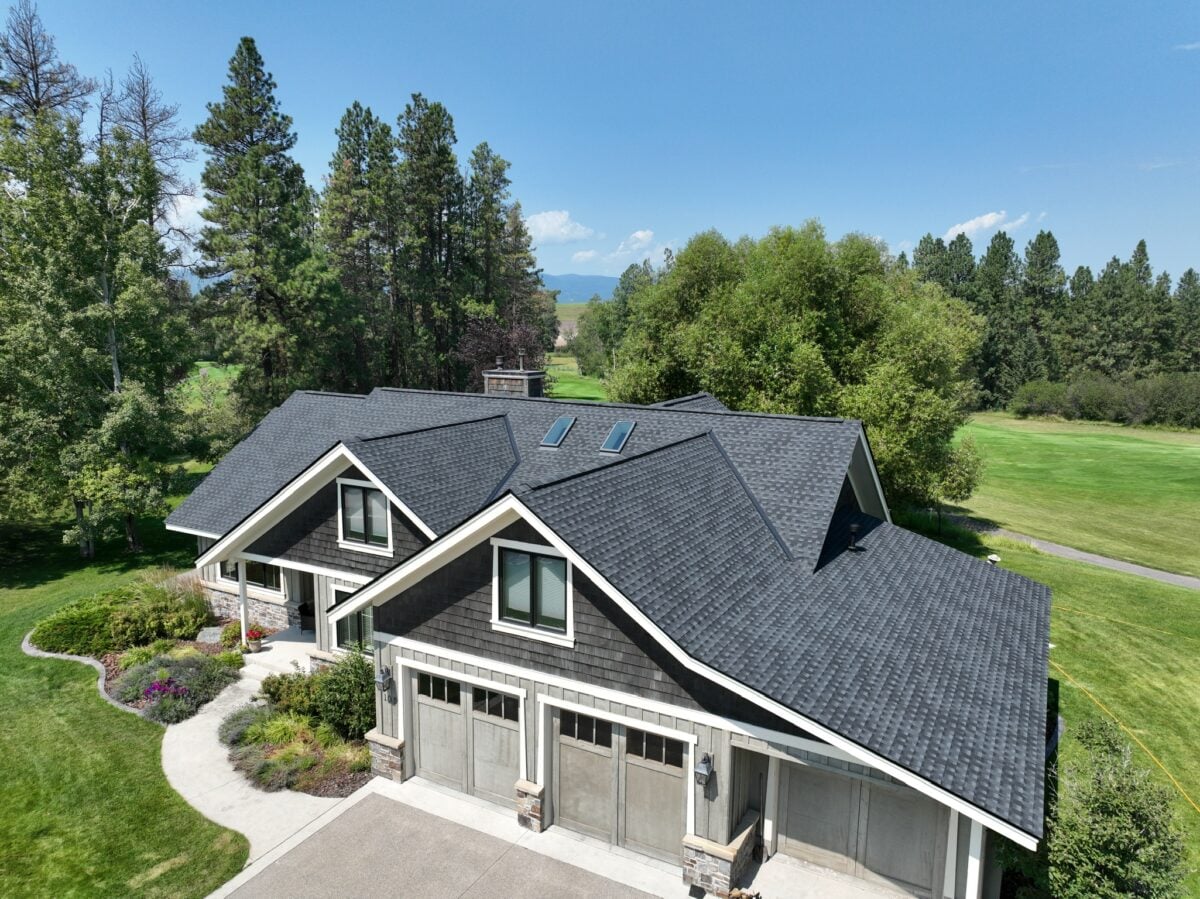
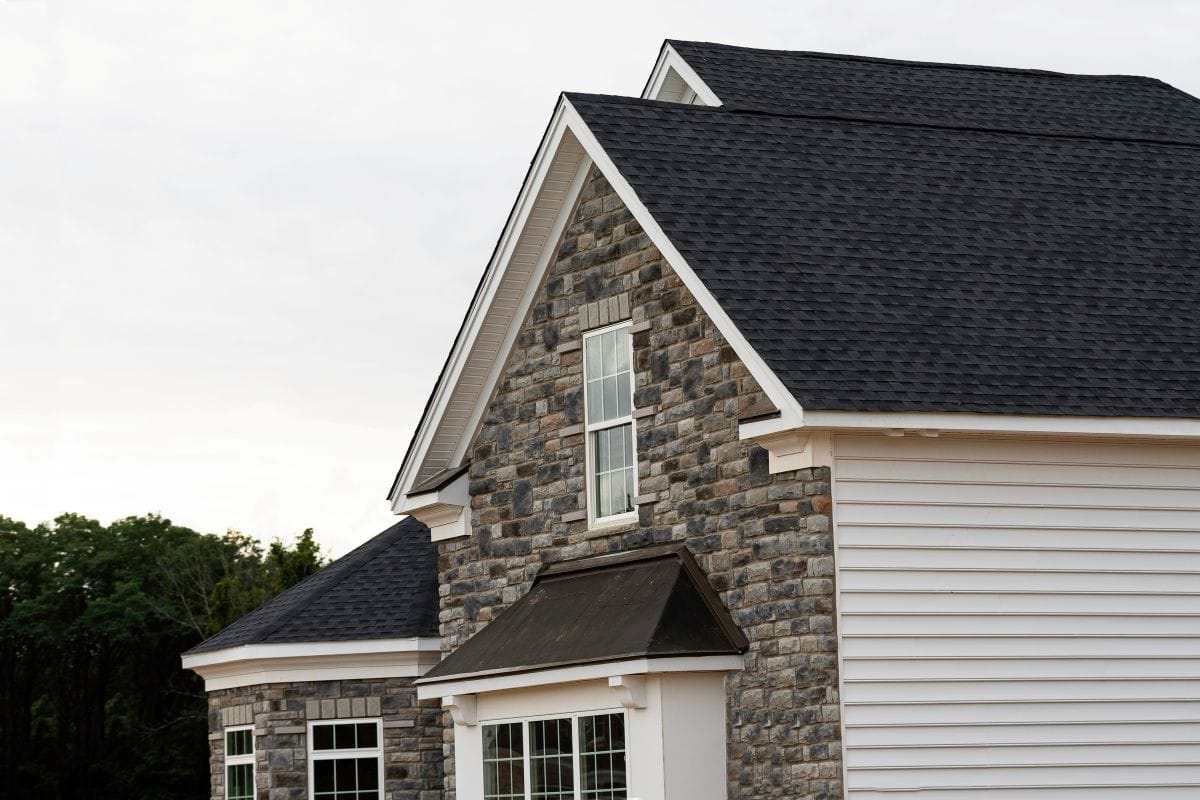
Black shingles remain one of the most popular choices among homeowners for good reason. They complement a wide range of exterior colors, create a clean modern look, and tend to hide staining, algae growth, and minor surface wear better than lighter colors. When weighing the heat absorption question, it is worth factoring in that resale value and curb appeal are also meaningful parts of the roofing decision.
Aesthetic versatility: Black and dark charcoal shingles complement virtually any siding color, brick, or stone exterior combination
Stain concealment: Darker surfaces are far more forgiving when it comes to visible streaking, algae growth, and granule displacement
Market appeal: Dark roofs have broad buyer appeal and tend to photograph well, which supports home value at the time of sale
How Roof Color Compares Across Key Factors
Roof color affects more than just heat absorption, and the tradeoffs look different depending on your climate, priorities, and home.
Factor
Black Roof
Light-Colored Roof
Summer heat absorption
Higher
Lower
Winter heat benefit
Yes, helps melt snow
Less effective in cold months
Attic temperature impact
Higher without ventilation
Lower overall
Curb appeal flexibility
Very high
Moderate to high
Stain and algae visibility
Low
Higher
Cool roof technology available
Yes
Yes
Best climate fit
Four-season and cold climates
Hot and dry climates
Common Questions About Black Roofs and Home Temperature
Homeowners weighing roof color often come to us with the same questions. Here are straightforward answers to the ones we hear most.
Will a black roof significantly raise my energy bills?
In a hot climate with poor attic ventilation and minimal insulation, yes, a black roof can contribute to higher cooling costs. In Montana’s climate, the picture is more balanced. The heat absorption advantage in winter months offsets some of the summer cooling penalty. Upgrading attic ventilation and insulation will have a larger impact on your energy bills than switching shingle colors.
Can I get a black roof that does not absorb as much heat?
Yes. Cool roof shingles with infrared-reflective granules are available in dark colors including black and charcoal. These products reduce heat absorption without changing the visual appearance of the roof. Ask your roofing contractor specifically about cool roof shingle options if energy efficiency is a priority for you.
How does attic ventilation affect the heat from a black roof?
A properly ventilated attic allows the heat absorbed by dark shingles to escape before it transfers into your living space. Ridge vents and soffit vents work together to create airflow that flushe
s hot air out of the attic continuously. Without that ventilation, heat builds up regardless of shingle color, but the problem is more pronounced with dark roofs.
Is a lighter roof always the better choice in Montana?
Not necessarily. Montana’s winters create genuine value in a darker roof’s heat absorption properties. Snow sheds faster, ice dams are less likely to form, and the roof stays at a more stable temperature through freeze-thaw cycles. For most Montana homeowners, the climate case for a black or dark charcoal roof is stronger than it would be in a warmer southern climate.
How do I know if my attic ventilation is adequate?
Signs of inadequate attic ventilation include unusually high energy bills, rooms near the roofline that are hard to cool, ice dams forming in winter, and premature shingle aging or blistering. A professional roof inspection can assess your current ventilation setup and identify whether upgrades to ridge vents, soffit vents, or insulation would improve performance. Montana Roofing Solutions is proud to serve homeowners in Great Falls, MT, and nearby communities with expert roof replacements, energy efficiency consultations, and free roof inspections.
Montana Roofing Solutions Will Help You Make the Right Call
Roof color is just one piece of a larger puzzle that includes ventilation, insulation, material quality, and climate. At Montana Roofing Solutions, we help homeowners work through all of it so the decision you make is based on your specific home, not just general rules of thumb. Whether you are leaning toward a classic black roof or curious about cool roof alternatives, our team will give you an honest assessment and the information you need to move forward with confidence.Contact Montana Roofing Solutions today to schedule your free roof consultation.