
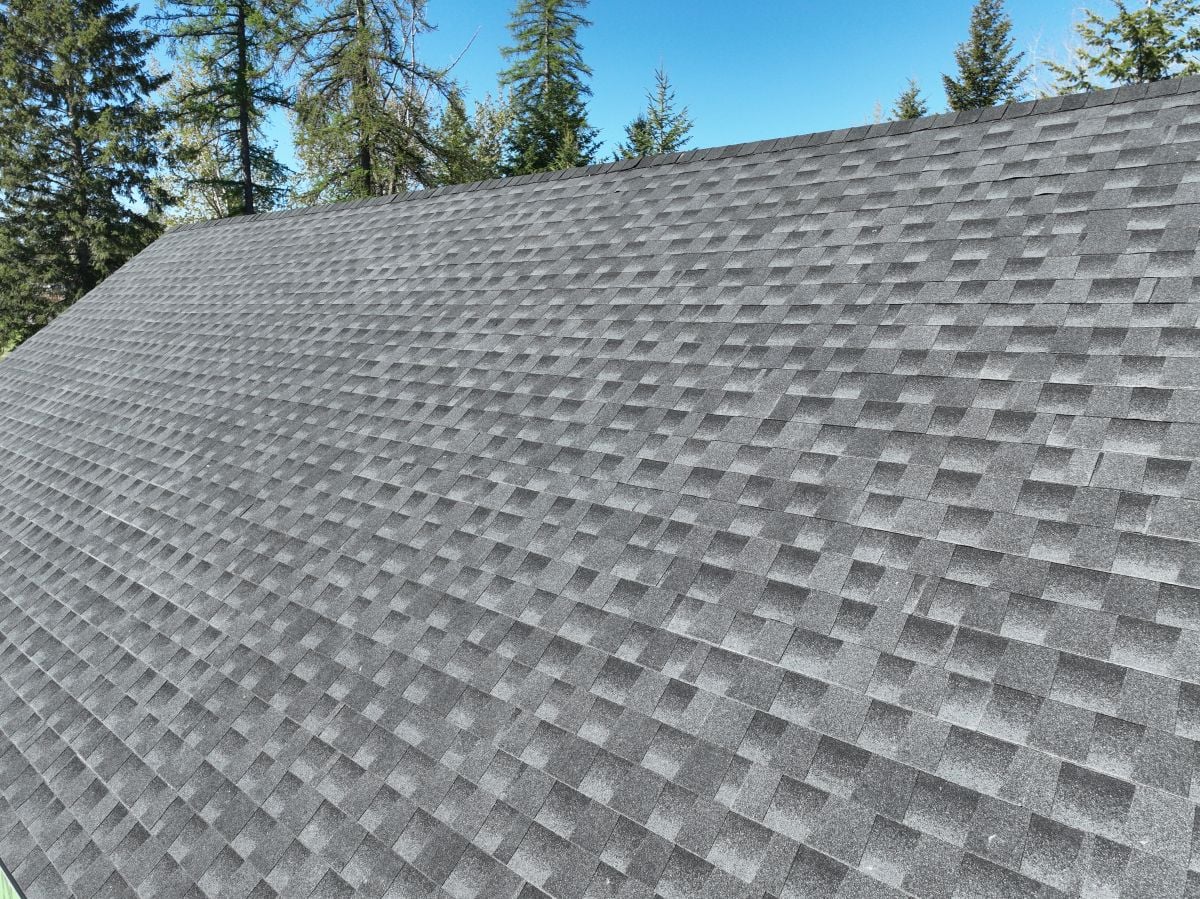
If you are planning a roof replacement, one of the first and most important decisions you will make is choosing the right roofing material. Understanding the different types of roof shingles available helps you weigh cost, durability, aesthetics, and performance before committing to a significant investment. This guide walks through the six most common roofing options so you can go into the conversation with your roofing contractors fully informed.
Here’s what we’ll cover:
- Asphalt shingles: The most common option and why they remain the top choice
- Architectural shingles: The upgraded asphalt option worth considering
- Metal roofing: Longevity and performance at a higher upfront cost
- Wood shakes: A classic look with higher maintenance demands
- Slate shingles: The premium option for durability and curb appeal
- Composite shingles: A modern alternative that mimics premium materials
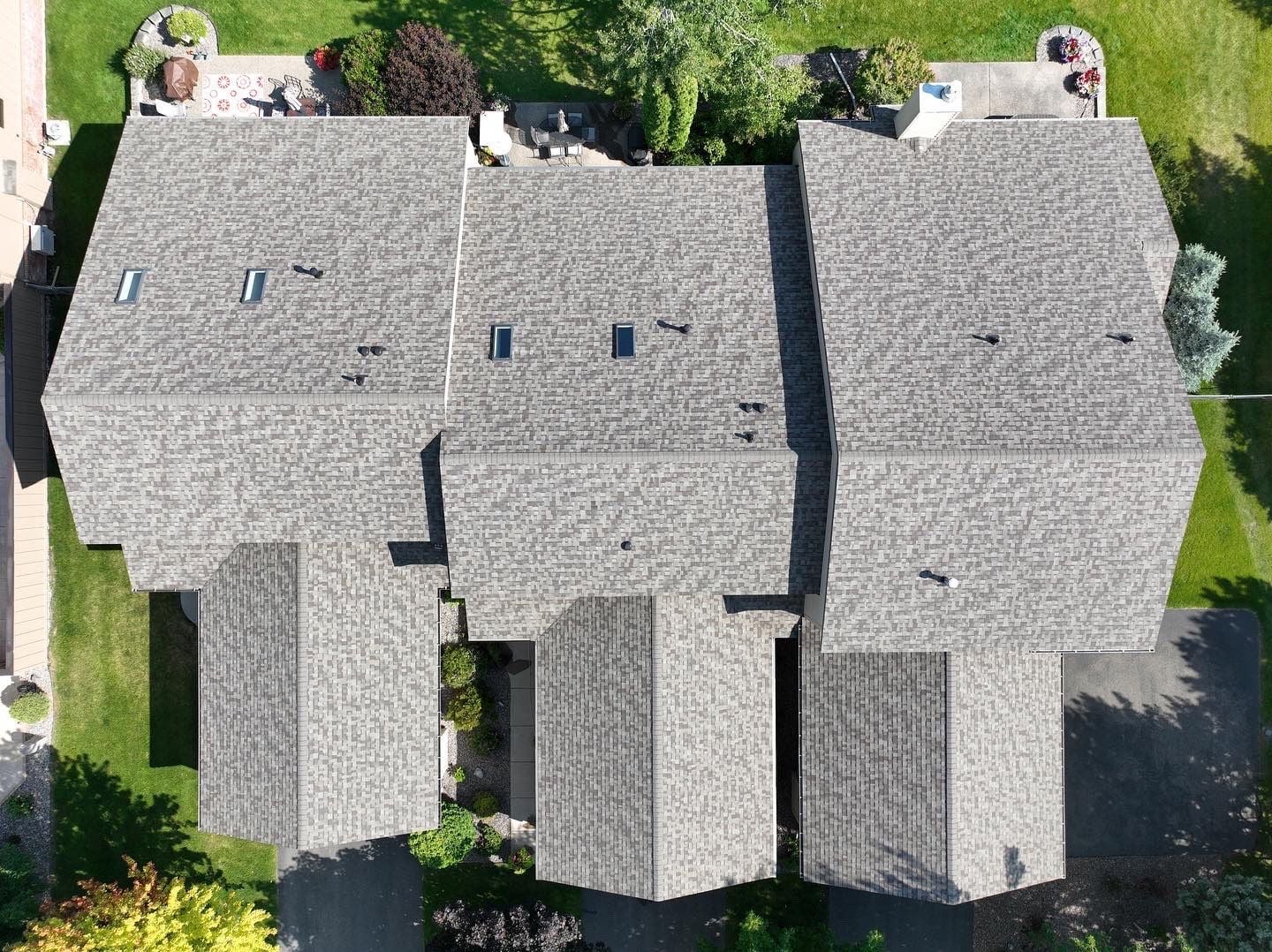

Why Your Shingle Choice Matters More Than You Might Think
Choosing a roofing material is not just an aesthetic decision. The shingles you install affect how well your home holds up against Montana’s hail seasons, heavy snow loads, and extreme weather conditions. They also influence your long-term maintenance costs, your homeowner’s insurance premium, and the resale value of your home.
The right material for your neighbor’s house may not be the right material for yours. Roof pitch, attic ventilation, structural load capacity, and budget all factor into the decision. Traditional asphalt shingles remain the dominant choice across the country, but other roofing materials — from standing seam metal roofing to slate roofing to composite options — each bring a distinct set of tradeoffs worth understanding before you commit.
6 Types of Roof Shingles to Know Before Your Replacement
Each of these shingle types has a distinct profile in terms of cost, lifespan, maintenance, and performance in cold or storm-prone climates. Reviewing all six before your replacement gives you a complete picture of the landscape.
1. Three-Tab Asphalt Shingles
Three-tab asphalt shingles are the most affordable entry point in residential roofing and are what most people picture when they think of traditional asphalt shingles. They are flat, lightweight, and cut with two slots that create the appearance of three separate pieces per shingle. They have been the standard choice for budget-conscious homeowners for decades and remain widely available and easy to install, though many modern versions now include algae-resistant granules to combat algae growth in humid or shaded environments.
- Lifespan: Typically 15 to 20 years, shorter than most other shingle types
- Cost: The most affordable option available, making them accessible for most budgets
- Performance: Adequate for moderate climates but less durable in high-wind or hail-prone areas like Billings
- Best for: Homeowners prioritizing the lowest upfront cost on a tight replacement budget
2. Architectural (Dimensional) Asphalt Shingles
Architectural shingles are the most common choice in new roof replacements today. Made from two or more laminated layers of asphalt, they are thicker and more textured than three-tab shingles, creating a dimensional appearance that mimics wood shake or slate. They offer a meaningful upgrade in durability, wind resistance, and curb appeal over traditional asphalt shingles at a relatively modest price increase, making them the go-to recommendation roofing contractors make for most residential projects.
- Lifespan: 25 to 30 years under normal conditions
- Cost: Moderately priced, typically 20 to 40 percent more than three-tab shingles
- Performance: Better wind resistance, more impact-resistant profiles available, and improved curb appeal
- Best for: Most homeowners doing a full replacement who want a balance of quality, longevity, and value
3. Luxury Asphalt Shingles
Luxury shingles — sometimes called premium shingles — sit at the top of the asphalt category. They are engineered to closely replicate the look of slate roofing or cedar shake with thick, irregularly shaped tabs and rich surface texture. Many premium shingles also include built-in algae-resistant granules that prevent the dark staining caused by algae growth, a common issue on roofs with significant shade or moisture exposure. Lifespans of up to 50 years put them in the same conversation as natural materials, but without the structural reinforcement requirements or installation complexity that come with real slate or tile roofing.
- Lifespan: Up to 50 years with proper installation and maintenance
- Cost: The highest price point in the asphalt category, though significantly less than natural slate
- Performance: Excellent durability, strong wind and impact resistance, and the closest aesthetic to premium natural materials
- Best for: Homeowners wanting a long-term investment with premium curb appeal without the weight or cost of natural slate

4. Metal Roofing
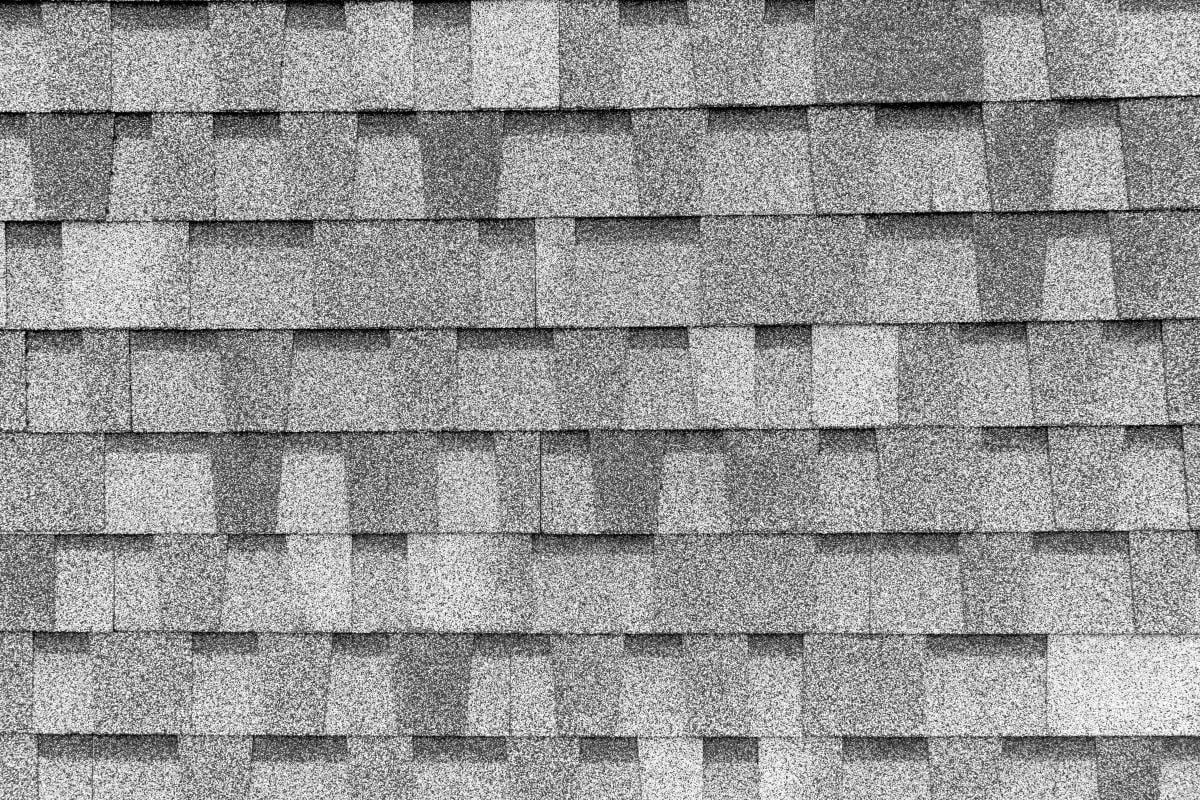
Metal roofing offers the longest lifespan of any residential shingle type and requires minimal maintenance over its life. It comes in two primary formats: standing seam metal roofing, which features raised interlocking seams running vertically up the roof, and metal shingles stamped to mimic the look of wood shakes, slate roofing, or clay tile. According to the Metal Roofing Alliance, modern residential metal roofs will not warp, crack, rot, or rust and can last 50 or more years with little maintenance required, making standing seam metal roofing particularly well suited to Montana’s extreme weather conditions.
- Lifespan: 50 years or more, with some systems lasting well beyond that with proper care
- Cost: Significantly higher upfront than asphalt, but the long lifespan often makes it cost-effective over time
- Performance: Extremely durable with exceptional resistance to wind, fire, and hail; handles snow shedding well in cold climates
- Best for: Homeowners planning to stay long-term who want to avoid future replacement cycles
5. Wood Shakes and Shingles
Wood shakes and wood shingles deliver a natural, rustic aesthetic that no manufactured material fully replicates. Most are made from cedar due to its natural weather resistance, though redwood and cypress are also used. Wood shingles are precision-cut and smoother, while shakes are thicker and more textured — both are a notable step up visually from traditional asphalt shingles, but come with maintenance demands unlike any other roofing option on this list. Both types require fire retardant treatment to meet building code requirements in most areas, and neither approaches the longevity of slate roofing or standing seam metal roofing without consistent upkeep.
- Lifespan: 25 to 50 years, depending on climate, maintenance, and whether shakes or shingles are used
- Cost: Higher than standard asphalt, with shakes costing more than shingles due to thickness and installation complexity
- Performance: Good natural insulation and wind resistance when properly maintained, but susceptible to moisture buildup, rot, and moss in wet or cold climates
- Best for: Homeowners seeking a distinctive natural aesthetic and willing to commit to regular maintenance
6. Composite and Synthetic Shingles
Composite shingles are made from a blend of materials, including rubber, plastic, and recycled materials, engineered to mimic the look of slate roofing, wood shake, or tile at a fraction of the weight and cost. They have become an increasingly popular alternative for homeowners who want premium aesthetics without the structural reinforcement or maintenance demands of natural materials. Most composite products also resist algae growth and UV degradation, making them a low-maintenance choice across a range of climates. Quality varies significantly between manufacturers, so product selection matters as much as material type.
- Lifespan: 20 to 50 years depending on the product grade and manufacturer
- Cost: More expensive than standard asphalt but far less than natural slate or premium wood shakes
- Performance: Lightweight, low-maintenance, and resistant to mold, algae, and UV damage; impact-resistant options available
- Best for: Homeowners wanting the look of slate or wood without the weight, cost, or upkeep of natural materials
How to Choose the Right Shingle for Your Home
With six distinct options on the table, narrowing down the right choice comes down to four practical considerations that vary by homeowner situation.
| Consideration | What to Ask |
| Budget | What is my total replacement budget, and how much does upfront cost vs long-term value matter? |
| Climate | How well does this material handle Montana hail, snow loads, and temperature swings? |
| Roof structure | Can my existing roof deck and framing support heavier materials like slate or tile? |
| Timeline | How long do I plan to stay in this home, and does the shingle lifespan match that horizon? |
The answers to these questions, combined with a professional inspection of your existing roof structure, give your roofing contractors the information needed to make a confident recommendation across all available roofing options. We’re proud to serve home and business owners in Billings, MT, and nearby communities with expert roof replacements, free inspections, and honest guidance on the best roofing materials for your home and budget.

Common Questions About Shingle Types
Homeowners replacing a roof for the first time often have the same questions before making a final decision. Here are clear answers to what we hear most often.
Are architectural shingles worth the extra cost over three-tab?
In almost every case, yes. The price difference between three-tab and architectural shingles is modest, while the gains in lifespan, wind resistance, and curb appeal are significant. Three-tab shingles may last 15 to 20 years, while architectural shingles typically reach 25 to 30 years. Over the life of a home, choosing architectural shingles over three-tab often means one fewer full replacement, which more than covers the upfront cost difference.
Can my roof support heavier shingles like slate or tile?
Not necessarily without evaluation. Slate roofing is one of the most durable and visually striking options available — natural slate is fireproof, water-resistant, and can last well over 100 years — but it is also one of the heaviest roofing materials on the market, weighing up to four times more than traditional asphalt shingles. Tile roofing, whether clay or concrete, carries a comparable weight and similarly requires a structural assessment before installation. In many cases, reinforcing the roof deck and framing adds meaningfully to the total project cost. For homeowners drawn to the aesthetic of slate or tile but working within structural or budget constraints, luxury asphalt shingles and composite premium shingles are the most practical alternatives — they replicate the look convincingly without the added load or installation complexity.
How do different shingle types hold up to Montana hail?
Impact resistance varies significantly by material and product grade. Metal roofing and Class 4 impact-resistant asphalt shingles offer the best protection against hail damage. Standard three-tab asphalt shingles are the most vulnerable. Wood shakes can split or crack under larger hailstones. If hail protection is a priority, ask your contractor specifically about Class 4 impact-resistant options, which may also qualify you for a homeowner’s insurance discount.
Does shingle type affect my homeowner’s insurance premium?
It can. Impact-resistant shingles rated Class 4 under UL 2218 often qualify for premium discounts in hail-prone states. Metal roofing may also reduce your premium due to its fire and impact resistance. Speak with your insurance provider before finalizing your material choice, as the discount available in Montana can sometimes offset a meaningful portion of the upgrade cost.
Montana Roofing Solutions Will Help You Choose the Right Roof
Replacing a roof is one of the largest investments a homeowner makes, and the shingle you choose will live on your home for decades. At Montana Roofing Solutions, we take the time to walk through your options honestly, assess your roof structure, and help you find the material that fits your budget, your home, and Montana’s climate. Contact Montana Roofing Solutions today to schedule your free roof replacement consultation.