
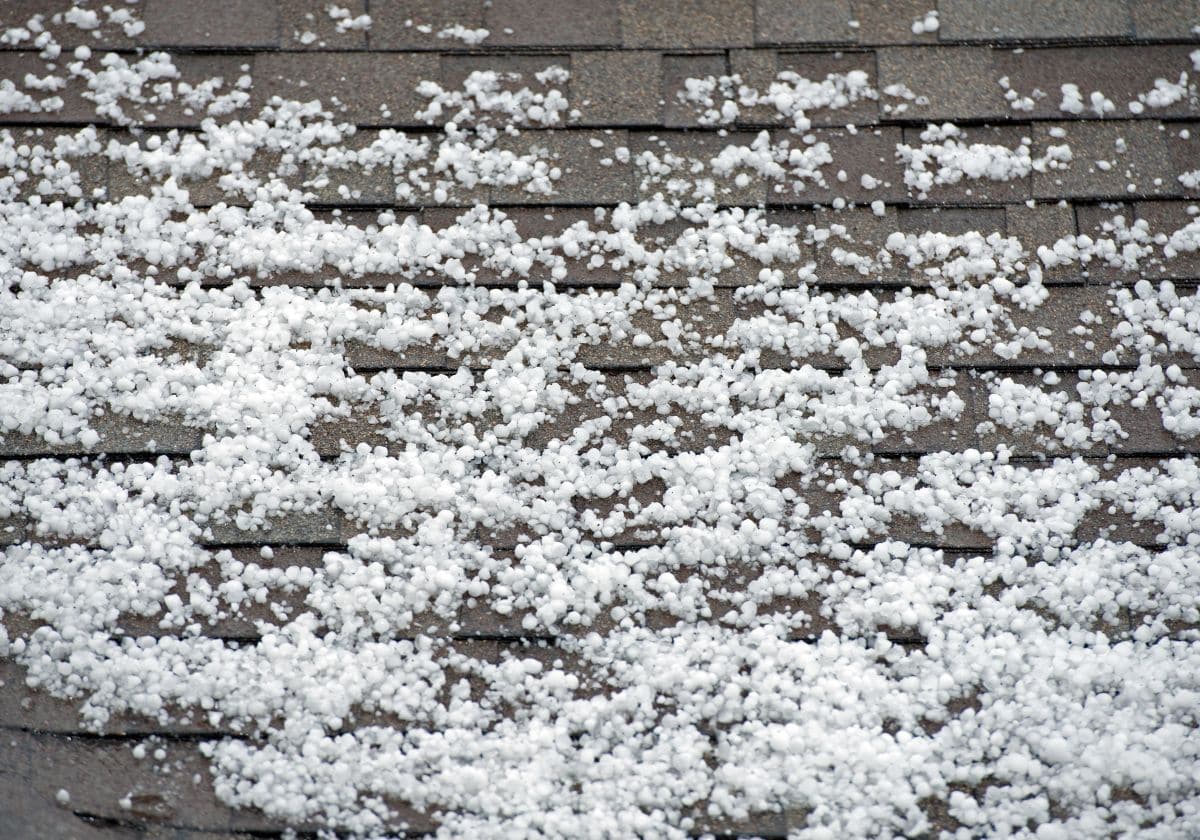
After a major hail storm, one of the first questions homeowners ask is whether they need a full roof replacement or whether targeted repairs will do the job. The answer is rarely black and white, and knowing how much hail damage to replace roof systems really requires looking at several interconnected factors. This guide helps you think through the decision clearly so you can make a smart, long-term choice for your home.
Here’s what we’ll cover:
- Damage scope: How much of your roof is affected and how to assess it
- Roof age: Why the age of your system matters more than you might think
- Material type: How different roofing materials respond to hail impact
- Insurance considerations: What your policy covers and how it affects the decision
- Long-term cost: Why replacement sometimes saves you more money over time

Why the Replacement vs. Repair Decision Matters
Choosing between a partial repair and a full roof replacement after hail damage is one of the more consequential decisions a homeowner can face. Get it wrong in one direction and you end up spending money on repairs that only delay the inevitable. Get it wrong in the other direction and you replace a roof that had years of life left in it.
The right answer depends on a combination of factors that no single rule of thumb can fully capture. A thorough professional inspection is always the starting point, but understanding the key variables helps you have a more informed conversation with your contractor and your insurance company before further damage has a chance to set in.
5 Things to Consider Long-Term
These five considerations work together to paint a complete picture of whether repair or replacement is the right call for your specific situation. Evaluating all of them, rather than focusing on just one, gives you the clearest path forward.
1. The Extent and Distribution of Damage
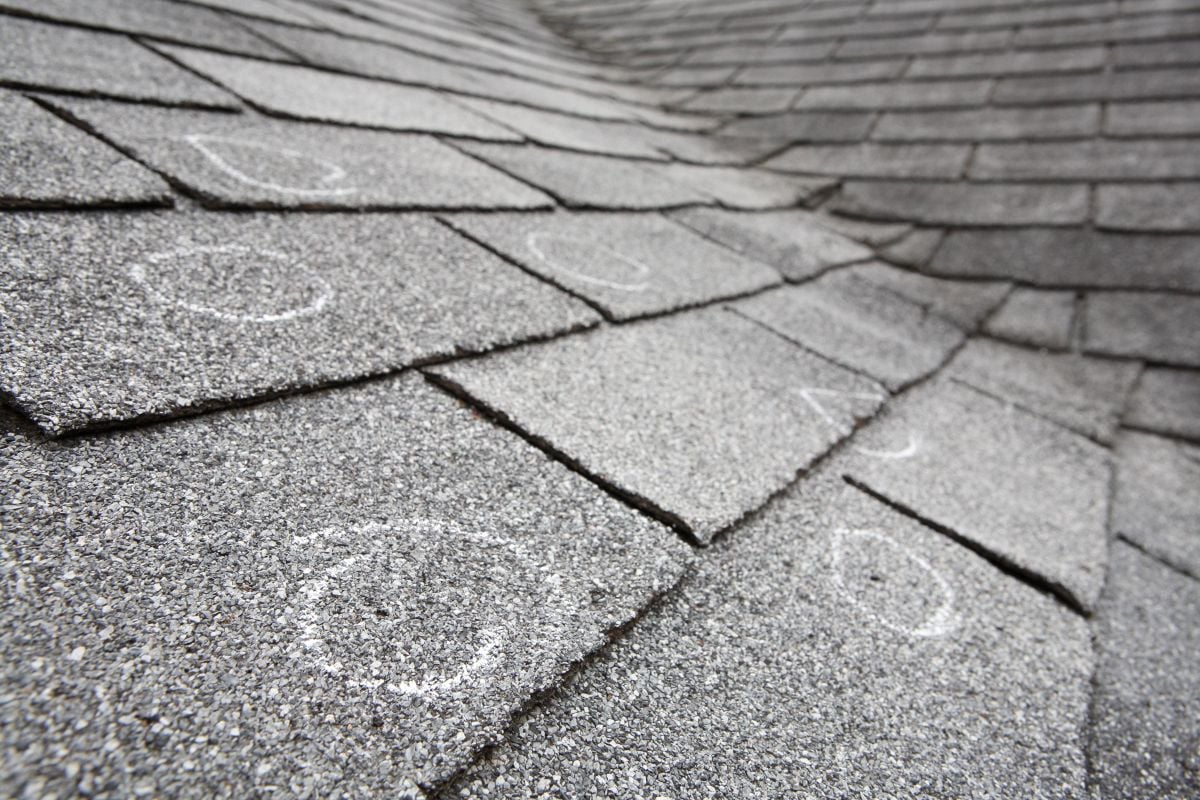
The percentage of your roof’s surface that shows roof hail damage is one of the most telling indicators. Roofing professionals generally look at whether damage exceeds 25 to 30 percent of the total roof surface as the threshold where a complete roof replacement becomes the more practical recommendation. If damage is spread unevenly across every slope rather than concentrated in one area, repairs can result in a patchwork appearance and inconsistent protection.
- Localized damage: affecting one slope or a clearly defined section points toward repair being cost-effective
- Widespread damage: impact marks, granule loss, or bruising across most of the roof surface suggests replacement is the more sound investment
- Ridge and valley damage: damage concentrated in high-stress areas like ridges, valleys, and roof vents can accelerate leaks even when the broader field looks intact
- Underlayment compromise: if hail impact has driven through shingles to damage the underlayment, repair alone rarely addresses the full scope of the problem
2. The Age of Your Current Roof
Roof age plays a significant role in the replacement decision and is often the factor that tips the scales. Most asphalt shingle roofs carry a rated lifespan of 20 to 30 years, but Montana’s extreme temperature swings, heavy snow loads, and summer hailstorms can shorten that range considerably. A roof already in the final third of its lifespan has diminished flexibility and granule adhesion, meaning hail damage accelerates existing wear rather than simply landing on top of a healthy system.
- Under 10 years old: repair is almost always the right call unless damage is exceptionally severe or widespread
- 10 to 15 years old: the decision depends heavily on damage extent and material quality; a professional assessment is essential
- 15 to 20 years old: replacement deserves serious consideration, especially if insurance covers it, since a repaired aging roof will likely need full replacement within a few years regardless
- Over 20 years old: in most cases, replacement is the most cost-effective long-term choice even when damage appears moderate

3. Your Roofing Material and Its Vulnerability
Not all roofing materials respond to hail the same way, and the type of material on your home affects both how damage presents and how long you can reasonably expect a repaired system to hold up.
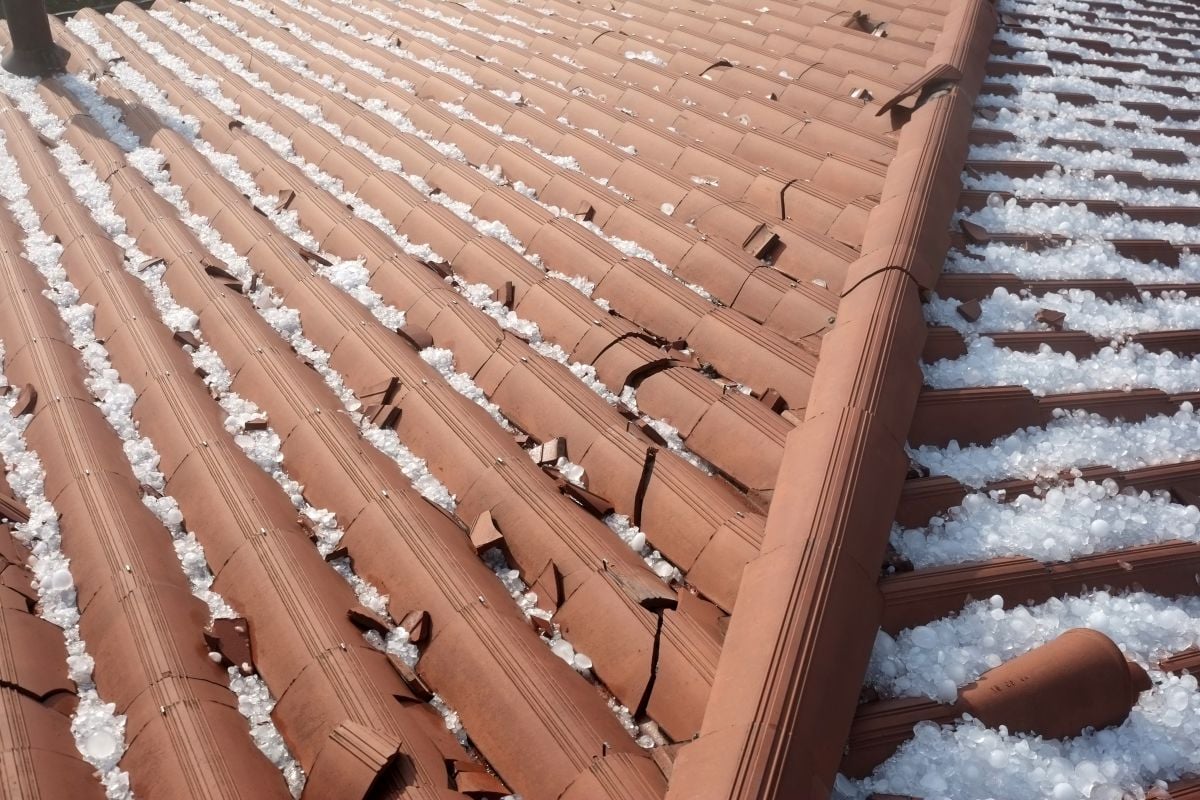
Asphalt shingles are the most common roofing material in Montana and also among the most vulnerable to granule loss from hail impact. Class 4 impact-resistant shingles are rated under UL 2218 by withstanding a 2-inch steel ball dropped from 20 feet without cracking, and homeowners who upgrade to these during replacement often qualify for insurance premium discounts. Metal roofing sustains cosmetic denting from hail but rarely loses structural integrity, making repair or no intervention appropriate in many cases.
| Roofing Material | Hail Vulnerability | Repair Feasibility | Upgrade Opportunity |
| Asphalt Shingles (standard) | High | Good for localized damage | Consider Class 4 upgrade |
| Asphalt Shingles (Class 4) | Low to Medium | Yes, if limited | Already impact-resistant |
| Metal Roofing | Low | Usually cosmetic only | Standing seam adds durability |
| Wood Shakes | High | Moderate | Consider synthetic alternatives |
| Tile Roofing | Medium | Yes, if individual tiles | Match sourcing can be difficult |
4. What Your Insurance Policy Actually Covers
Understanding your homeowner’s insurance policy is critical before making any replacement decision. When you contact your insurance company after a hail storm, the type of coverage you carry determines how much financial support you receive. Actual Cash Value (ACV) policies pay out based on the depreciated value of your roof, meaning an older roof receives a smaller payout. Replacement Cost Value (RCV) policies cover what it actually costs to replace the damaged system with new materials of similar quality, regardless of age, which can make a complete roof replacement far more financially accessible.
- ACV coverage: understanding your depreciation schedule helps you decide whether out-of-pocket replacement now beats ongoing repair costs later
- RCV coverage: if your adjuster agrees the damage warrants replacement, this type of policy makes full replacement significantly more accessible
- Claim timing: most policies require claims to be filed within one to two years of the storm date, so delaying your decision has real financial consequences
- Supplemental claims: if new damage is discovered after the initial claim is settled, a public adjuster or experienced roofing contractor can help you file a supplement
5. The Long-Term Cost Comparison
Stacking up the long-term costs of repeated repairs against a one-time replacement is often the most persuasive part of this analysis. A single targeted repair might cost a few hundred to a couple thousand dollars, but a compromised roof will likely develop new leak points after each Montana winter, and each subsequent repair adds to the running total. Homeowners who do the math often find that replacing after significant hail damage results in lower total spending over a five to ten year window than the repair-and-wait approach.
Frequently Asked Questions About Hail Damage Roof Repair
Homeowners dealing with hail damage often have the same pressing questions after a storm. Here are straightforward answers to the ones we hear most often.
How do I know if my roof has hail damage?
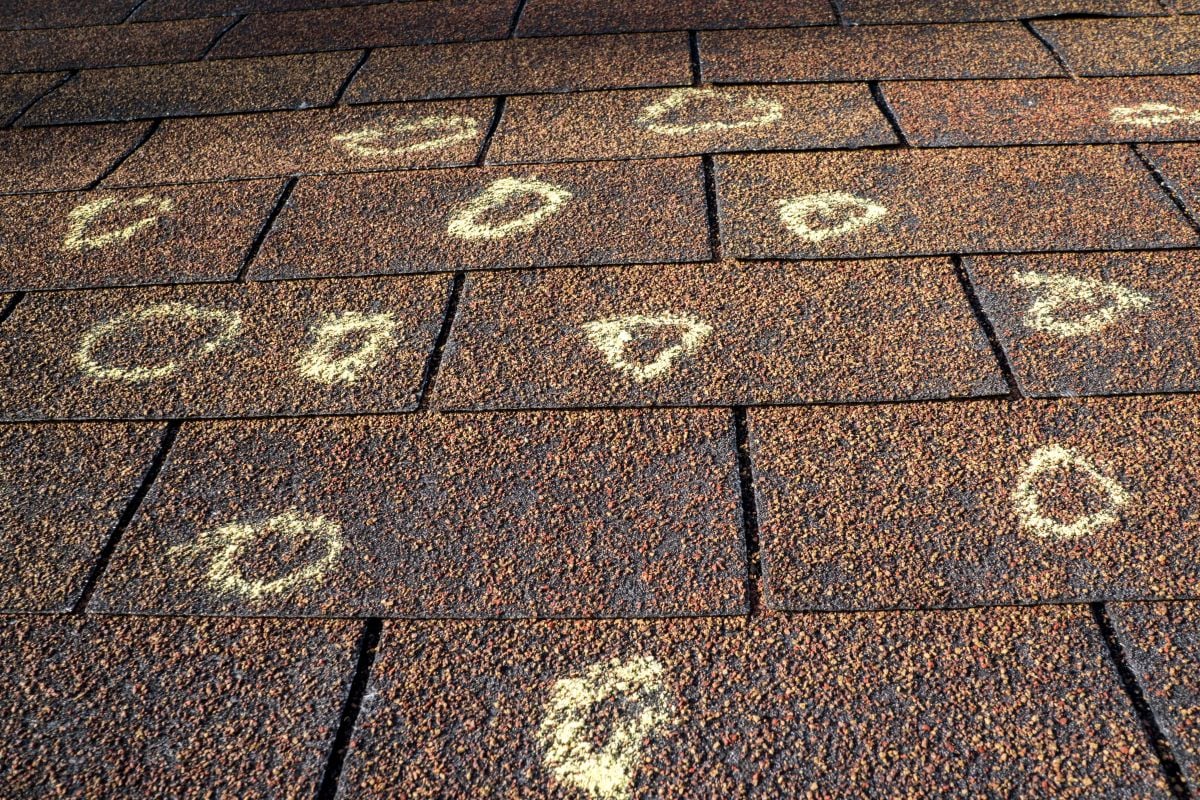
The most reliable way to know is a professional inspection, but there are signs you can check from the ground. Dented gutters, granules collecting in downspouts, cracked skylights, and damaged window screens are all indicators that your roof likely took hits. What you cannot see from the ground are the bruised shingle spots and compromised granule surfaces that a trained roofer will find on the roof itself.
Will my homeowner’s insurance cover hail damage repairs?
In most cases, yes. Hail damage is a covered peril under standard homeowner’s insurance policies. The key factors are whether the damage meets your deductible threshold, how soon you file after the storm, and whether your policy is Actual Cash Value or Replacement Cost Value. An ACV policy factors in depreciation, while an RCV policy covers the cost of new materials regardless of your roof’s age.
How long do I have to file a hail damage insurance claim?
Most insurers allow one to two years from the date of the storm to file a claim, but this varies by policy and state. Filing sooner is always better. The longer you wait, the harder it becomes to tie the damage directly to a specific storm event, and some carriers will use delay as grounds to reduce or deny the payout.
Should I repair or replace my roof after hail damage?
It depends on the age of your roof, the extent of the damage, and what your insurance covers. A newer roof with localized damage is usually a strong candidate for repair. An older roof with widespread granule loss across multiple slopes is often better served by full replacement, especially if insurance will cover it. A professional inspection is the only reliable way to make that call with confidence.
How much does hail damage roof repair cost?
Costs vary widely depending on the size of the damaged area, the roofing material, and local labor rates. Minor repairs on a small section can run a few hundred dollars, while more extensive work on a larger home can reach several thousand. In many cases, insurance covers the bulk of the cost after your deductible. Getting a detailed written estimate before work begins is the best way to understand your actual out-of-pocket exposure.

Montana Roofing Solutions Has the Answers You Need
Deciding how much hail damage warrants a full roof replacement is not a decision you should have to make alone or under pressure. At Montana Roofing Solutions, our team brings the local knowledge, honest assessments, and professional craftsmanship that Polson area homeowners have come to rely on after storm season.
Whether the right answer is a targeted repair or a full system replacement, we’ll walk you through the options, help you understand what your insurance covers, and make sure the work gets done right. Contact Montana Roofing Solutions today to schedule your free hail damage inspection.