
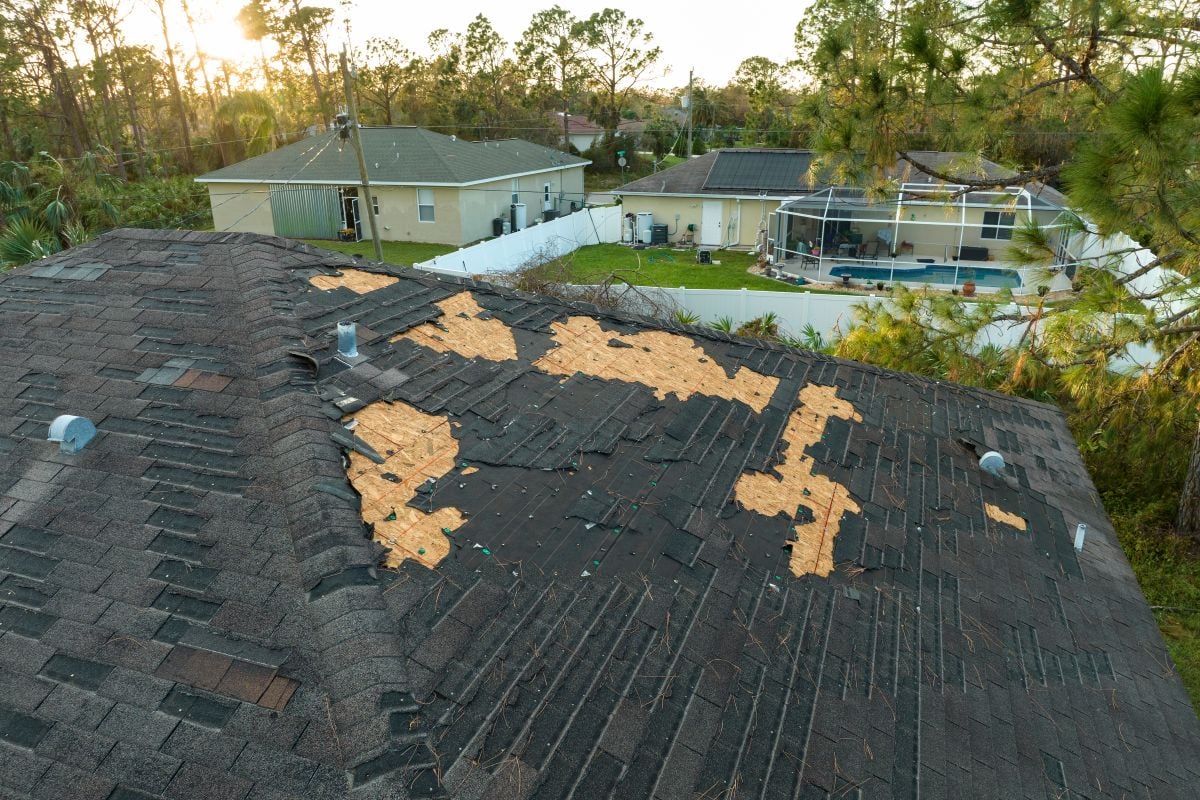
How to file a roof damage insurance claim is a question many homeowners ask after severe weather impacts their property. High winds, hail, and falling debris can damage shingles, flashing, and structural components quickly, but navigating the insurance claim process requires preparation and organization. In Billings, where hailstorms and wind events are common during spring and summer, understanding the correct steps helps protect both your roof and your financial investment.
- Documentation is critical: Clear photos and inspection reports strengthen your roof damage insurance claim.
• Timing affects eligibility: Delayed reporting may complicate approval.
• Professional inspections matter: Hidden damage is often missed from the ground.
• Clear communication helps: Staying organized reduces processing delays.
We’re proud to serve home and business owners in Billings, MT, and nearby communities with storm damage inspections and more.
Understanding What Your Insurance Policy Covers

It is also important to understand your deductible and coverage type. Replacement cost value policies generally cover the cost to replace damaged roofing materials without deducting depreciation. Actual cash value policies account for age and depreciation, which can affect payout amounts significantly if your roof is older. Reviewing these details early allows you to calculate potential out of pocket costs and make informed decisions before beginning the claim process.
Signs You Should File a Roof Damage Insurance Claim
Not every roofing issue requires an insurance claim. However, certain signs strongly suggest storm related damage may qualify for coverage and should be evaluated promptly.
- Missing shingles: Large sections displaced after high winds.
• Hail impact marks: Dents on flashing, vents, or soft bruising on shingles.
• Interior leaks: Ceiling stains or attic moisture after a storm.
• Granule accumulation: Excessive granules collecting in gutters.
• Visible structural damage: Sagging areas or exposed underlayment.
Even if damage appears minor from the ground, underlying components such as underlayment or decking may be compromised. A professional inspection provides clarity before deciding whether to proceed with a claim.
8 Steps to File a Roof Damage Insurance Claim

- Inspect from the Ground Safely: Look for visible storm damage such as lifted shingles, debris, or bent flashing. Avoid climbing onto the roof unless conditions are safe.
- Check Interior Spaces: Inspect ceilings and attic areas for water stains or signs of moisture intrusion that may indicate hidden leaks.
- Document Everything: Take clear wide and close photos of exterior and interior damage immediately after the storm. Capture different angles and note the date.
- Schedule a Professional Roof Inspection: A contractor can identify hidden damage that is not visible from the ground and provide a detailed written assessment.
- Review Your Policy Details: Confirm deductible amounts, exclusions, and reporting deadlines before contacting your insurer.
- Contact Your Insurance Company Promptly: Provide the date of the storm, a description of the event, and a summary of observed damage.
- Meet With the Insurance Adjuster: Walk through the property together and share inspection findings to ensure all areas are evaluated.
- Approve and Schedule Repairs: Once approved, coordinate repairs promptly to prevent additional exposure and secondary water damage.
Staying organized at every stage helps ensure your claim progresses smoothly and reflects the full extent of damage.
What Can Delay or Reduce Your Claim Payout?
Even valid claims can encounter setbacks if certain issues arise. Understanding these potential roadblocks helps you avoid unnecessary frustration and financial shortfalls.
- Late reporting: Waiting too long after a storm can create coverage disputes.
• Incomplete documentation: Missing photos or vague descriptions weaken evidence.
• Pre existing wear: Insurance may deny coverage if damage appears age related.
• Missed adjuster communication: Delays in response can slow approval.
• Underestimated repair scope: If damage is not fully documented, payouts may be insufficient to complete repairs.
Clear communication and thorough documentation significantly reduce the likelihood of disputes or underpayment.
Common FAQs About a Roof Damage Insurance Claim
Homeowners often have similar concerns when filing a claim. Addressing these questions early helps eliminate confusion and build confidence in the process.
How soon should I file after a storm?
Claims should be filed as soon as damage is discovered and conditions are safe. Most policies include reporting deadlines, and waiting too long may create complications regarding cause of damage. Filing early also ensures your claim is processed before seasonal claim backlogs occur.
Will filing a claim raise my premiums?
Premium adjustments vary by insurer and overall claim history. Storm related claims are often treated differently from maintenance issues because they are considered weather events rather than preventable damage. It is always wise to discuss policy implications directly with your provider.
What if the adjuster overlooks damage?
If damage appears missed, you can request a reinspection. Having a contractor present during the initial visit reduces the likelihood of overlooked structural issues and ensures technical findings are clearly explained.
Do I have to use the insurance company’s contractor?
No. Homeowners have the right to choose their own roofing contractor. Selecting a trusted professional ensures repairs meet proper standards and fully address storm damage rather than just cosmetic concerns.
Why Professional Guidance Matters
 Roof systems are complex, and storm damage is not always obvious from the ground. Working with an experienced contractor strengthens documentation and improves claim accuracy while protecting your long term investment.
- Accurate damage identification: Professionals recognize impact patterns and structural weaknesses.
• Detailed documentation: Clear photos and written reports support approval.
• On site coordination: Contractors can clarify technical findings during adjuster visits.
• Comprehensive repair estimates: Proper scope prevents under approved repairs.
Professional guidance reduces stress and ensures your roof receives the attention it truly requires.
Montana Roofing Solutions Helps You Move Forward With Confidence
Filing a roof damage insurance claim can feel overwhelming, especially after a stressful storm event. Montana Roofing Solutions provides detailed storm damage inspections and clear documentation to support homeowners throughout the insurance claim process in Billings, MT. Our team evaluates visible and hidden damage, prepares organized reports, and communicates clearly to ensure your roof receives the attention it needs.
If your home has experienced storm damage, contact Montana Roofing Solutions today to schedule a professional roof inspection and move forward with confidence.