
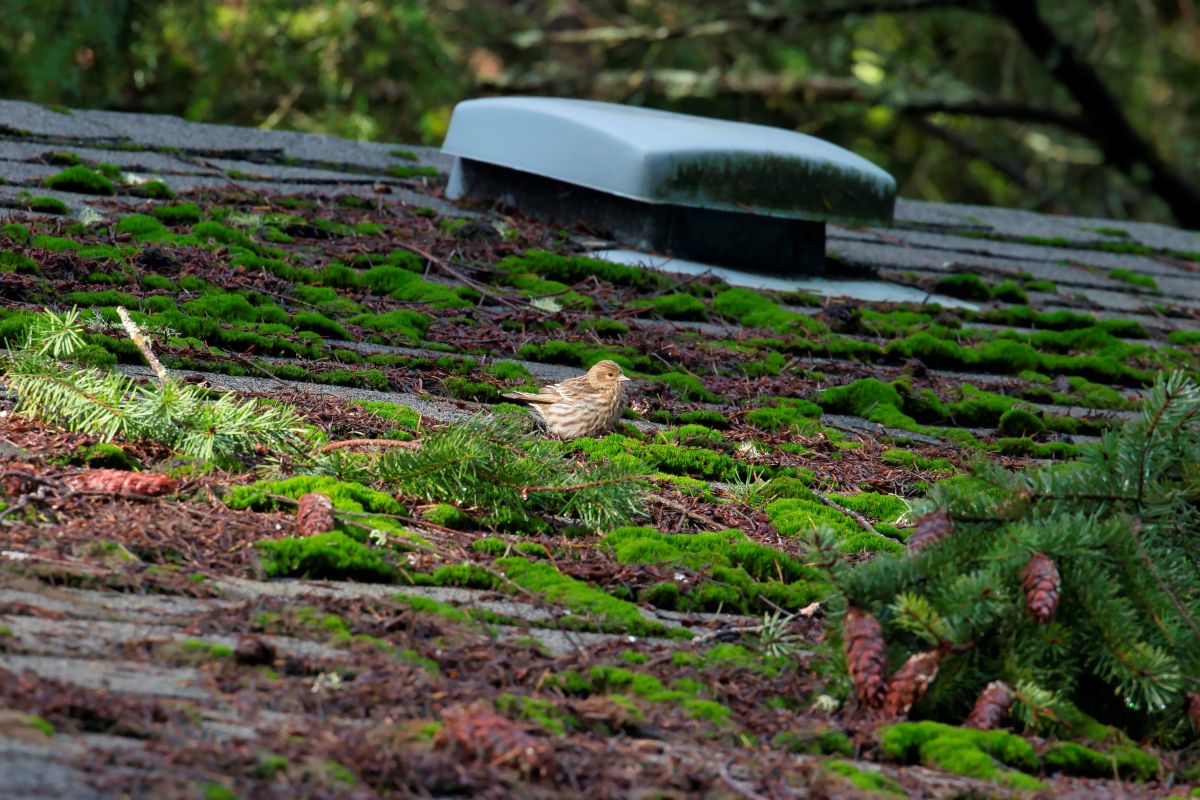
Mold and algae growth can quickly affect the appearance and performance of a roof. Knowing how to remove mold from roof shingles safely helps protect your home, maintain curb appeal, and prevent long term roof damage. In regions that experience humid summers or shaded roof areas, mold and biological growth can develop faster than many homeowners expect. Before attempting to clean mold from your roof, it’s important to understand safe cleaning methods and the environmental conditions that cause growth.
- Mold often appears as dark streaks or green patches on shingles
- Moisture and shade create ideal conditions for mold growth
- Improper cleaning methods can damage roofing materials
- Safe removal techniques help extend the lifespan of your roof
We’re proud to serve home and business owners with professional roofing services, inspections, and maintenance solutions.
Why Mold Forms on Roof Shingles

When sunlight is limited, moisture remains on the roof longer. Overhanging tree branches and poor airflow can also contribute to moss build up and algae growth across shingles.
- Moisture retention: Trapped water allows mold and algae to develop
- Limited direct sunlight: Shaded areas dry slowly after rain
- Organic debris: Leaves and dirt trap moisture on the roof surface
- Poor airflow: Reduced ventilation allows humidity to linger
Common Roof Growth and Their Causes
Understanding what type of growth is present helps determine the safest way to remove it without damaging shingles.
| Growth Type | Appearance | Common Causes | Recommended Approach |
| Blue green algae | Dark streaks across shingles | Moisture and shade | Soft washing with roof-safe cleaner |
| Mold | Dark patches or spots | Persistent moisture | Gentle cleaning solution |
| Moss | Thick green clusters | Moss build up in shaded areas | Removal and preventative treatment |
| Lichen | Crusty, raised growth | Long term moisture exposure | Professional cleaning or treatment |
Safe Cleaning Methods for Mold on Roof Shingles
Removing mold from shingles requires a careful approach. Using harsh chemicals or excessive pressure can strip protective granules from asphalt shingles and shorten the life of the roof.
Gentle Cleaning Solutions
Most professionals recommend using cleaners specifically designed for roofing materials. Some homeowners attempt to use chlorine bleach mixtures, but these solutions must be diluted carefully to avoid damaging shingles or nearby landscaping.
- Roof cleaning products: Formulated to break down algae and mold safely
- Diluted cleaning mixtures: Some cleaners include controlled amounts of chlorine bleach
- Eco friendly solutions: Safer for surrounding landscaping
Soft Washing Instead of Pressure Washing
Many homeowners believe using a pressure washer is the fastest way to clean a roof. However, high pressure equipment can damage shingles and force water beneath roofing layers. Soft washing methods rely on low pressure combined with cleaning solutions to remove mold effectively.
- Low pressure cleaning: Protects shingle surfaces from damage
- Even solution coverage: Allows cleaners to break down mold growth
- Controlled rinsing: Prevents water intrusion beneath shingles
6 Steps to Remove Mold from Roof Shingles Safely
Cleaning a roof should always begin with safety planning. Slippery surfaces and steep slopes make roof work dangerous, so homeowners should take proper precautions before beginning.
1. Inspect the Roof First

- Check for damaged shingles: Repairs should be addressed before cleaning
- Look for heavy moss build up: Areas that require extra treatment
- Inspect drainage areas: Valleys and gutters often collect debris
2. Protect Landscaping Around Your Home
Cleaning solutions may run off the roof during treatment. Protecting plants and soil around your home helps prevent damage from cleaning products.
- Cover plants with tarps: Protects landscaping from runoff
- Pre rinse plants with water: Dilutes cleaning solution exposure
- Choose eco friendly cleaners: Reduces environmental impact
3. Apply a Roof-Safe Cleaning Solution
Once preparation is complete, apply the cleaning solution evenly across the affected shingles. Allow the solution time to break down mold and algae before rinsing.
- Follow product directions: Proper dilution is important
- Apply evenly: Ensure full coverage across affected areas
- Allow dwell time: Cleaning solutions require time to work
4. Rinse the Roof Gently
After the solution has loosened the mold, rinse the roof using a garden hose or low pressure sprayer. Avoid using a pressure washer, as it can remove protective shingle granules.
- Use gentle water pressure: Protects roofing materials
- Rinse from top down: Prevents water from entering beneath shingles
- Ensure complete rinsing: Removes leftover cleaning solution
5. Remove Debris from the Roof and Gutters
Debris left on the roof surface contributes to mold and algae growth. Regular cleaning helps prevent recurring issues.
- Use a leaf blower: Safely remove loose debris from shingles
- Clear roof valleys: Prevent moisture buildup
- Flush gutters and downspouts: Maintain proper drainage
6. Reduce Shade Around the Roof
Reducing shade and improving airflow can help prevent mold from returning. Allowing more direct sunlight to reach the roof helps shingles dry faster after rain.
- Trim trees around the home: Improves airflow and sunlight
- Remove overhanging tree branches: Reduces debris accumulation
- Increase sun exposure: Helps dry roofing materials more quickly
Signs Mold Is Causing Roof Damage
Mold on shingles does not always cause immediate structural damage, but long term growth can weaken roofing materials if ignored. Watching for warning signs helps homeowners address the problem early.
- Dark streaks spreading across shingles: Often caused by blue green algae growth
- Surface deterioration: Long term moisture may damage shingles
- Recurring mold patches: Indicates underlying moisture or shade problems
- Roof discoloration: Biological growth affecting roof appearance
Frequently Asked Questions About Removing Mold from Roof Shingles

Can mold damage roof shingles?
Yes. While mold often begins as a cosmetic issue, long term growth can trap moisture against shingles and contribute to material deterioration.
Is pressure washing safe for roof shingles?
No. A pressure washer can remove protective granules from shingles and shorten the life of the roof. Soft washing techniques are much safer.
When should homeowners seek professional help?
If mold growth covers a large area of the roof or the roof is steep or difficult to access, professional help is often the safest option. Roofing professionals have the equipment and experience to clean roofs safely.
Protect Your Roof with Montana Roofing Solutions
Keeping your roof clean and free from mold helps protect your home from long term damage. Montana Roofing Solutions provides professional inspections, maintenance services, and expert roofing solutions designed to keep roofs performing at their best. If you notice mold, algae, or other issues developing on your roof, our team can evaluate the condition and recommend the best approach to protect your home. Contact Montana Roofing Solutions today to schedule a roof inspection and ensure your roof stays strong and reliable for years to come.