
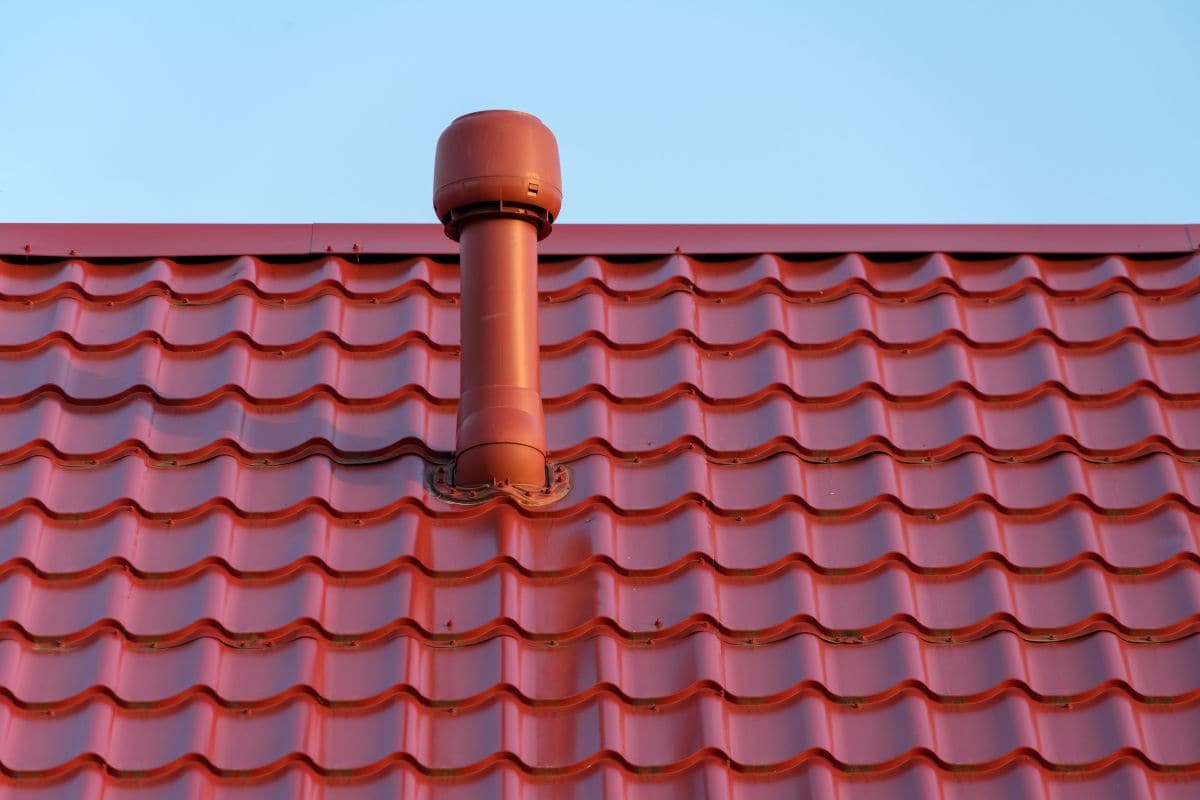
Proper ventilation is one of the most overlooked parts of a healthy roofing system. When installed correctly, how to vent a metal roof becomes an important factor in preventing moisture buildup, regulating attic temperature, and extending the life of your roofing materials. Metal roofs are durable and energy efficient, but without the right ventilation design, heat and moisture can build up beneath the panels and cause long term problems.
Homeowners and property managers should understand the basics of roof ventilation before installing or upgrading a metal roof.
- Proper ventilation helps regulate attic temperatures year round
- Airflow prevents condensation beneath metal roofing panels
- Balanced intake and exhaust ventilation protects insulation and decking
- A well ventilated roof system can extend overall roof lifespan
We’re proud to serve home and business owners with professional roofing services, including metal roofing installation, roof inspections, and ventilation solutions.
Why Ventilation Is Important for Metal Roofs

Proper ventilation creates a balanced airflow system that allows fresh air to enter the attic and warm, humid air to exit through exhaust vents. This cycle reduces condensation and keeps the roofing system performing as intended.
- Moisture control: Prevents condensation that can lead to mold and wood rot
- Temperature balance: Helps keep attic spaces cooler in the summer
- Energy efficiency: Reduces strain on heating and cooling systems
- Roof protection: Prevents premature deterioration of roofing materials
Common Types of Roof Ventilation for Metal Roofs
Several ventilation systems work well with metal roofing installations. Choosing the right type depends on roof design, attic layout, and climate conditions.
| Vent Type | How It Works | Best Use |
| Ridge Vent | Installed along the peak of the roof to release hot air | Most common residential solution |
| Soffit Vent | Allows fresh air to enter the attic from the eaves | Intake ventilation |
| Gable Vent | Mounted on exterior attic walls | Supplemental airflow |
| Static Roof Vent | Fixed vent openings on the roof surface | Additional exhaust ventilation |
Each of these components can be used together to create a balanced ventilation system that keeps air circulating beneath the roof.
7 Best Tips for Venting a Metal Roof Properly
Understanding the right approach to ventilation helps ensure your metal roof performs efficiently for decades. The following tips highlight key practices professionals use during installation.
1. Balance Intake and Exhaust Ventilation
A properly vented roof requires both intake and exhaust vents. Intake vents typically sit near the eaves, while exhaust vents are installed near the roof ridge. This setup allows cooler air to enter while warm air escapes.
- Balanced airflow: Intake and exhaust vents must work togethe
- Proper placement: Intake near eaves and exhaust near the ridg
- Consistent ventilation: Prevents stagnant air pockets
2. Install Ridge Vents for Continuous Airflow
Ridge vents are one of the most effective ventilation options for metal roofing systems. They run along the peak of the roof and allow warm air to escape evenly across the entire ridge.
- Continuous ventilation: Promotes steady airflow across the attic
- Low profile design: Blends with the roofline for better appearance
- Weather protection: Designed to prevent water intrusion
3. Use Soffit Vents for Fresh Air Intake

- Improved circulation: Encourages steady air movement
- Moisture reduction: Limits condensation buildup
- Energy benefits: Helps regulate attic temperature
4. Prevent Moisture and Condensation Problems
Metal roofs can experience condensation if warm indoor air reaches cooler roof surfaces. Proper ventilation reduces this risk by keeping air moving beneath the roof structure.
- Humidity control: Prevents trapped moisture inside the attic
- Insulation protection: Keeps insulation dry and effective
- Structural safety: Protects roof decking from rot
5. Consider Attic Insulation and Ventilation Together
Ventilation works best when paired with proper insulation. Insulation helps control indoor temperature while ventilation removes excess heat and moisture.
- Thermal efficiency: Improves overall home comfort
- Energy savings: Reduces heating and cooling costs
- Roof longevity: Protects structural components
6. Avoid Blocking Airflow Paths
During roof installation or attic upgrades, airflow pathways must remain clear. Obstructions can prevent air from moving properly between intake and exhaust vents.
- Clear soffit vents: Prevent insulation from blocking airflow
- Maintain vent openings: Ensure vents remain unobstructed
- Regular inspections: Identify airflow issues early
7. Work With an Experienced Roofing Professional
Proper metal roof ventilation requires careful planning and installation. Roofing professionals evaluate roof structure, attic size, and ventilation needs before recommending the best solution.
- Accurate calculations: Determine proper vent size and quantity
- Professional installation: Prevents leaks and airflow problems
- Long term reliability: Ensures ventilation performs as designed
Signs Your Metal Roof May Need Better Ventilation

- Excessive attic heat: Extremely high attic temperatures during summer may indicate hot air cannot escape properly.
- Condensation inside the attic: Moisture on rafters, insulation, or decking suggests airflow is not removing humidity effectively.
- Mold or mildew growth: Persistent humidity can lead to mold developing on wood surfaces or insulation.
- Ice dam formation: Poor ventilation can contribute to uneven roof temperatures that cause ice dams during winter.
Frequently Asked Questions About Metal Roof Ventilation
Metal roof ventilation can seem complicated for homeowners who are not familiar with roofing systems. Understanding the basics helps property owners recognize why airflow matters and when professional assistance may be needed. These frequently asked questions address some of the most common concerns about ventilating a metal roof.
Do all metal roofs require ventilation?
Yes. Regardless of roofing material, attic ventilation is essential for maintaining healthy airflow and preventing moisture buildup.
Can ridge vents be installed on existing metal roofs?
In many cases they can, but installation depends on roof design and structure. A roofing professional can evaluate whether ridge vents or other ventilation solutions are best.
How much ventilation does a roof need?
Ventilation requirements depend on attic size and building codes. Most guidelines recommend a balanced ratio of intake and exhaust vents to ensure proper airflow.
Expert Metal Roofing Solutions from Montana Roofing Solutions
Proper ventilation is essential for protecting your roof, attic, and entire home. Montana Roofing Solutions provides expert installation, inspections, and ventilation planning for metal roofing systems. Our team helps homeowners and property owners ensure their roofing systems perform efficiently and last for decades. Contact Montana Roofing Solutions today to schedule a professional roof inspection or consultation and learn how proper ventilation can improve the performance of your metal roof.